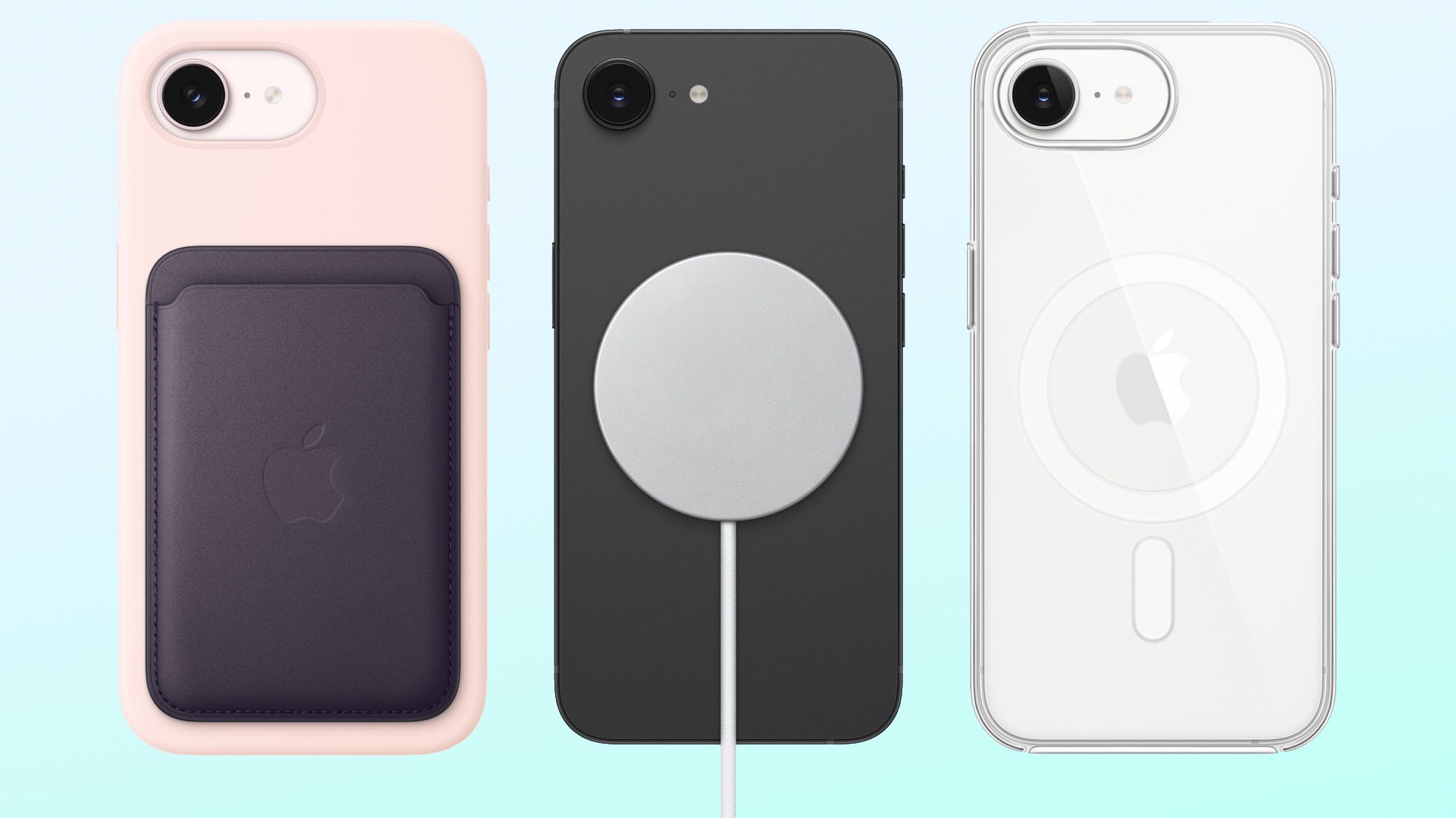
Apple is reportedly debating whether MagSafe should remain a standard iPhone feature, with the possibility of scaling back or removing the magnet array to save cost and space. The article suggests any change could shift compatibility toward MagSafe cases and potentially make the feature more selective across models, though a full removal across the lineup is considered unlikely given Qi2 adoption. The main immediate risk is on product design and accessory ecosystem positioning rather than near-term financial impact.
The market should treat this less as an immediate iPhone spec change and more as a signal that Apple is re-auditing the economics of physical ecosystem lock-in. If Apple reduces in-device magnets, the first-order drag on AAPL is small, but the second-order impact is larger: weaker attach rates for cases, wallets, car mounts, chargers, and stand ecosystems that rely on native alignment will shift value from Apple’s hardware design layer to accessory makers that can replicate the magnet array externally. That creates a modest gross margin headwind at the margin, but more importantly it risks fragmenting the user experience just as Qi2 makes the standard easier for Android OEMs to adopt, lowering Apple’s differentiation over a 12-24 month horizon.
The more interesting implication is strategic segmentation. A MagSafe downgrade on lower-end models would be a cost-optimization move that reinforces tiering, while preserving the feature on premium devices would increase the ASP gap without obvious headline price increases. That is potentially bullish for AAPL unit economics if consumers accept the trade, but it also invites backlash among budget buyers who are already being asked to absorb feature cuts. The iPhone 16e reaction suggests that consumers do notice the omission when third-party workarounds feel inferior, which means Apple may be constrained from broad removal unless it can make cases part of the default product experience.
For competitors, the near-term winners are accessory brands and ODMs that can monetize external magnet solutions, especially those already aligned with Qi2. The losers are case makers dependent on native MagSafe differentiation and any Apple suppliers exposed to magnet arrays or alignment components. A foldable iPhone without MagSafe would be a bigger narrative risk than a standard-model tweak: it would signal that Apple’s thinnest form factors can force design compromises, which could cap enthusiasm for the category until the company proves it can preserve accessory compatibility in future revisions.
Consensus may be overestimating the probability of a full MagSafe removal and underestimating the probability of selective downgrades by model. Apple tends to preserve the behavior that has become table stakes, but it is willing to push friction into the low end if it protects margins and pushes users up-stack. The trade is therefore not a binary AAPL short; it is a relative-value question between Apple hardware margin stability and accessory ecosystem monetization, with the biggest catalyst likely tied to the next low-end iPhone refresh and any foldable launch commentary.
AI-powered research, real-time alerts, and portfolio analytics for institutional investors.
Request DemoOverall Sentiment
neutral
Sentiment Score
-0.05
Ticker Sentiment
