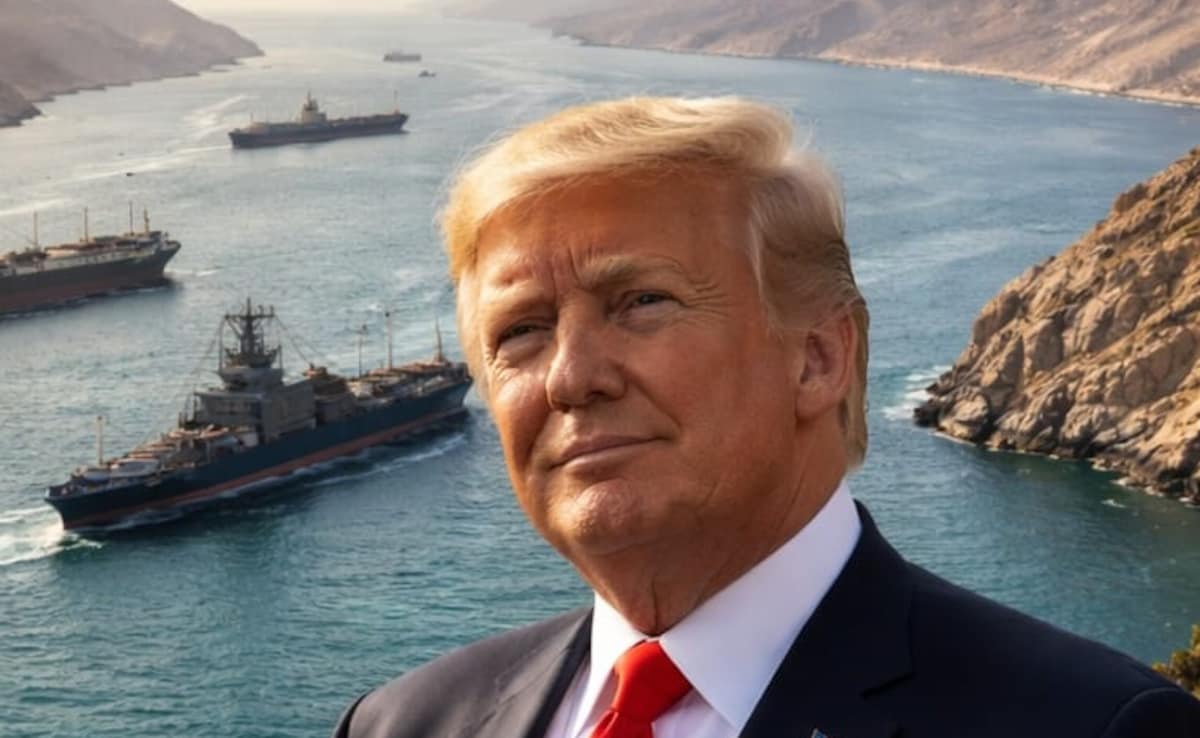
A US blockade of Iranian ports at the Strait of Hormuz could inflict about $435 million a day in economic damage on Iran, including roughly $276 million in lost exports. The move threatens disruption to oil, fertiliser and food flows through a chokepoint handling nearly 20% of traded oil, while also risking higher inflation in Iran and tighter energy supply conditions globally. Analysts say enforcement would be difficult, but the geopolitical shock is significant given Iran’s reliance on energy exports and the volume of shipping through the strait.
The market is likely underpricing the difference between a headline blockade and a durable interdiction regime. In the first 1-2 weeks, the bigger issue is not the lost Iranian barrels themselves but the forced re-routing, insurance shock, and vessel hesitation across the entire Gulf shipping stack; that creates a short, violent spread widening in freight, marine insurance, and physical differentials even if aggregate global supply loss is modest. The 154 million barrels already outside the choke point is a real cushion, but it only delays price discovery—it does not eliminate it if enforcement credibility holds beyond the initial days.
Second-order winners are not just upstream producers; they are any asset base outside the vulnerability zone with optionality on seaborne dislocation. US Gulf Coast refiners with access to discounted domestic crude can see a temporary margin tailwind if WTI-Brent widens, but the trade flips if product exports get tangled in regional shipping bottlenecks or if the crude leg rallies faster than product prices. Defense and maritime security vendors also gain a policy bid as the blockade implies persistent naval deployment rather than a one-off strike.
The contrarian risk is that the move becomes self-limiting because enforcing a true cordon in one of the busiest maritime corridors is operationally expensive and politically noisy. If even a meaningful share of traffic keeps moving, the market will fade the shock quickly and focus back on the export reroute through Jask and stockpiled floating barrels, which compresses the risk premium within weeks. The real tail risk is not just oil; it is broader inflation impulse via fertilizer and food logistics, which would hit EM importers and global ags more than energy equities.
The cleanest setup is to own volatility, not outright direction, until enforcement clarity improves. If the blockade remains messy, the market will trade on headlines and seizure counts; if it proves credible, Brent can gap while shipping and insurance names rerate first. The most attractive asymmetry is in short-dated options because the regime shift, if real, should express within days, while a failure to enforce could unwind just as fast.
AI-powered research, real-time alerts, and portfolio analytics for institutional investors.
Request TrialOverall Sentiment
strongly negative
Sentiment Score
-0.72
