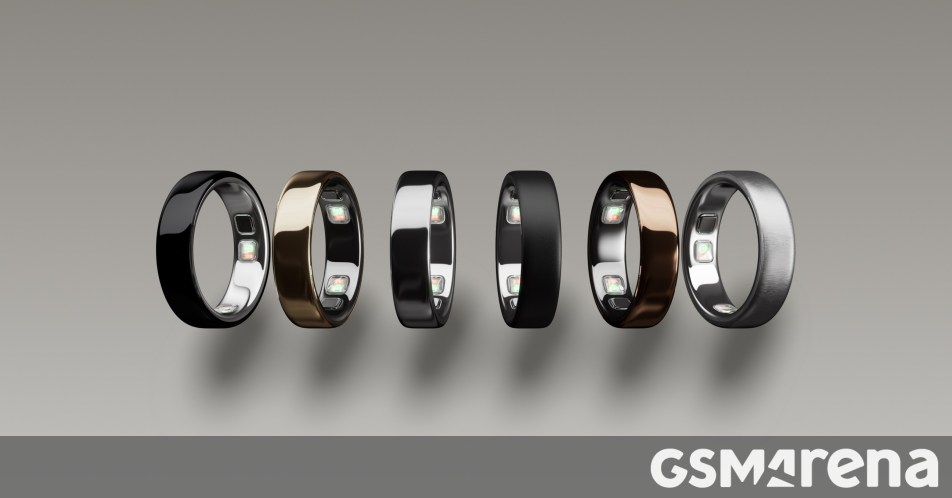
Oura launched Ring 5, a 40% smaller titanium smart ring at just over 6mm wide and 2.3mm thick, with updated sensors, improved reading consistency, and new features including a Health Radar system, blood pressure signal monitoring during sleep, and GLP-1 insights in select markets. Pricing starts at $399/€429 for Silver and Black models and $499/€529 for premium finishes, with a separate $99 charging case and mandatory membership at $5.99/month or $69.99/year for full access. The release is incremental but positive for Oura’s product positioning and subscription ecosystem.
This launch is less about another wearable SKU and more about Oura trying to widen its moat from “sleep tracker” into a longitudinal health-data platform. The combination of smaller form factor, longer battery, and better signal quality should reduce the biggest adoption friction for rings versus watches: comfort and adherence, especially overnight. If the company can materially improve consistency across skin tones and finger types, that is not just a product win; it lowers bias risk in its dataset and makes the subscription bundle more defensible against increasingly commoditized sensor hardware.
The bigger second-order impact is in healthcare monetization, not consumer wearables. Blood pressure signal monitoring, nighttime breathing reports, and GLP-1-related insights push Oura closer to a premium wellness-to-clinical bridge, which increases switching costs and raises the value of recurring membership revenue. That also creates a path to higher ARPU without needing a massive unit-volume ramp, but it raises regulatory and reimbursement scrutiny over the next 6-18 months if users begin treating outputs as quasi-diagnostic.
For retailers and platform partners, this is a modest positive for premium consumer demand, but the economics are still constrained by subscription attachment. The new price points likely preserve margin, yet the separate charging case suggests Oura is trying to extract more accessory revenue from a loyal base rather than broaden the market aggressively. The key risk is that the addressable audience remains niche: if the upgrade cycle is mostly existing users, the launch supports brand value more than unit growth.
The contrarian read is that the headline feature set may overstate near-term revenue upside. A better sensor and smaller ring improve retention more than acquisition, so the stock/relevance impulse should be strongest if channel data shows a meaningful lift in conversion among first-time buyers, not just upgrades. In the absence of that, the launch is likely a slow-burn share-gain story rather than a step-change catalyst.
AI-powered research, real-time alerts, and portfolio analytics for institutional investors.
Request DemoOverall Sentiment
mildly positive
Sentiment Score
0.30
Ticker Sentiment
