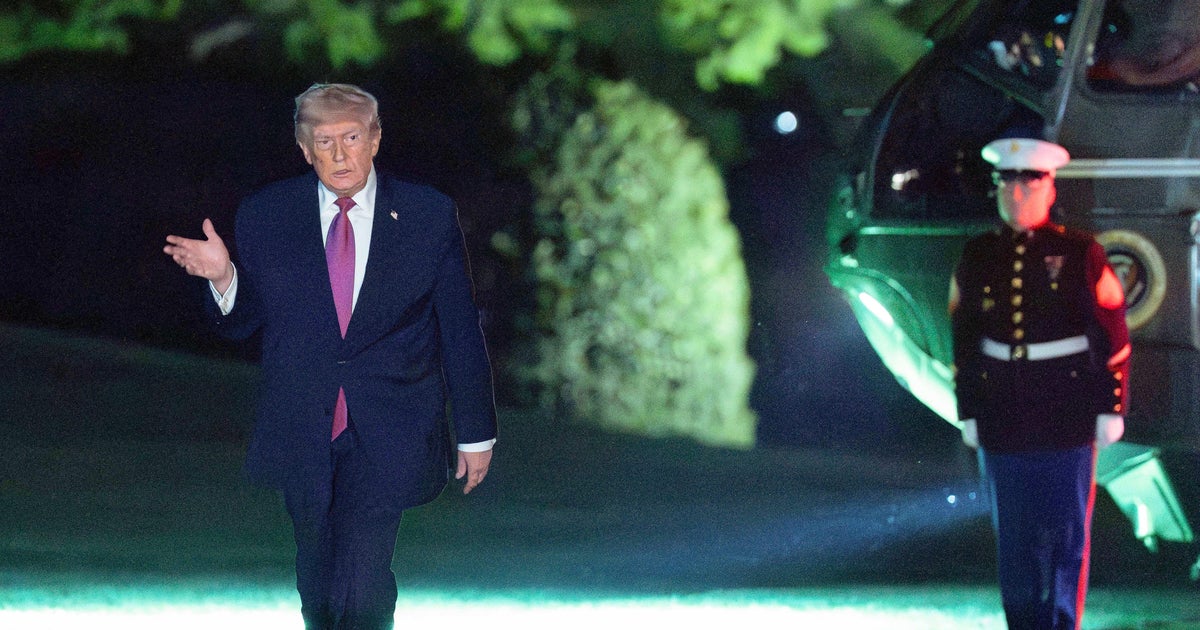
Trump sharply escalated rhetoric on Iran over the weekend, warning that if a deal is not signed the U.S. may resume bombing when the two-week ceasefire expires Wednesday night. He alternated between saying Iran had "agreed to everything" and threatening to "knock out every single Power Plant, and every single Bridge" in Iran, while Iran said it has no current plans to return to peace talks. The back-and-forth increases geopolitical risk for oil, equities, and defense assets, with the Strait of Hormuz and ceasefire dynamics still uncertain.
The market should treat this as a volatility event first and a directional geopolitical event second. The messaging whiplash raises the probability of a binary move in crude, defense, and regional risk premia around the ceasefire deadline, but it also means headline risk can fade as quickly as it spikes if backchannel diplomacy resumes. The key second-order effect is that traders will start pricing not just Iran supply disruption, but also the probability of U.S. operational escalation versus a negotiated off-ramp, which can keep implied vol elevated even if spot oil is range-bound.
Winners are the usual short-duration beneficiaries of tension: large U.S. defense primes, select cyber names, and upstream energy with clean balance sheets. Losers are airlines, refiners with weak hedge books, and industrials with high fuel sensitivity, but the more important medium-term loser could be European and Asian growth-sensitive equities if this feeds into a broader risk-off tape. Watch shipping, insurance, and freight: even without a full Hormuz closure, incremental war-risk premiums can tighten tanker economics and ripple into delivered prices for Asian importers before headline crude fully reprices.
The contrarian read is that the rhetoric is more leverage than intent. If the objective is to force concessions before the ceasefire expires, the administration may be intentionally maximizing perceived tail risk to compress negotiating time, which argues for fading the most extreme downside tails after the first spike unless physical flows actually break. The real tell is not the language, but whether we see sustained disruption in maritime traffic, airspace restrictions, or emergency inventory draws over the next 3-7 days; absent that, energy may sell off the fear premium quickly.
AI-powered research, real-time alerts, and portfolio analytics for institutional investors.
Request TrialOverall Sentiment
strongly negative
Sentiment Score
-0.72
