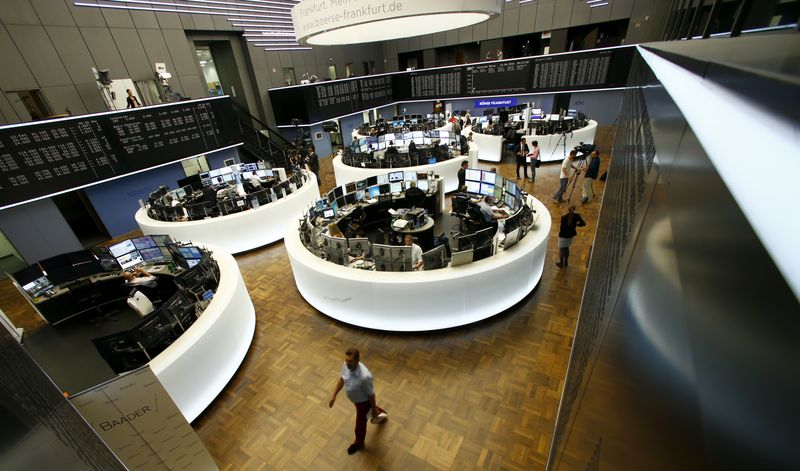
Brent crude rose 2.6% to $96.72 a barrel as U.S.-Iran hostilities escalated with fresh airstrikes and reported drone attacks in the Strait of Hormuz. European equities opened lower, with the Stoxx 600 down 0.4%, Germany's DAX off 0.5%, France's CAC 40 down 0.4%, and the FTSE 100 falling 0.7%. The situation raises near-term risks to Gulf energy flows and keeps markets in a defensive, risk-off posture.
This is not just an oil-beta event; it is a volatility regime shift driven by the market repricing the probability of a shipping interruption in the Strait of Hormuz. The first-order winner is upstream energy, but the bigger second-order trade is in “security of supply” assets: LNG-linked names, tanker insurance, and select defense/infrastructure proxies that can monetize persistent convoying, rerouting, and higher freight/working-capital costs. If the escalation persists for even 1-2 weeks, expect European chemical, airline, and consumer-discretionary margins to get hit harder than the headline index move suggests because fuel and input-cost pass-through lags are typically 1-2 quarters.
The market is likely underestimating how quickly refined-product spreads can tighten relative to crude. Even without a full supply shock, Middle East risk premium tends to show up first in diesel and jet fuel, which is more damaging for industrials and transports than Brent itself; that creates a cleaner short than simply fading the commodity. A sustained move above the current Brent range would also pressure emerging-market current accounts and local currencies with high energy import dependence, which can trigger forced de-risking well before macro data confirms the damage.
The key catalyst to watch over the next 72 hours is whether attacks remain tactical or evolve into a credible threat to throughput, not just prices. If shipping lanes stay open and diplomacy reasserts control, oil can give back a large part of the spike quickly because the market is already long headline risk; if there is any verified interruption to tanker flow, the move can accelerate sharply as inventory hoarding and freight repricing kick in. Over a 1-3 month horizon, the bigger risk is not a sustained oil shock but a policy response that restores calm while leaving energy equities crowded and under-hedged.
The contrarian view is that the initial move may be too binary: a lot of geopolitical premium is being priced before actual physical disruption is confirmed. That argues for expressing the view through options rather than outright longs, because implied vol should remain bid even if spot reverses. The cleaner edge is to own assets with asymmetric upside from a modest, persistent risk premium rather than names that only work if crude spikes violently.
AI-powered research, real-time alerts, and portfolio analytics for institutional investors.
Request TrialOverall Sentiment
moderately negative
Sentiment Score
-0.45
