US Under Secretary of State for Political Affairs Allison Hooker will visit India from Sunday through Thursday as a US trade negotiation team travels to the country to continue talks on a trade agreement, the US Embassy in India said. The visit is intended to advance the US-India ‘strategic partnership’ and signals renewed diplomatic focus on bilateral trade discussions, though no deal terms or timelines were disclosed.
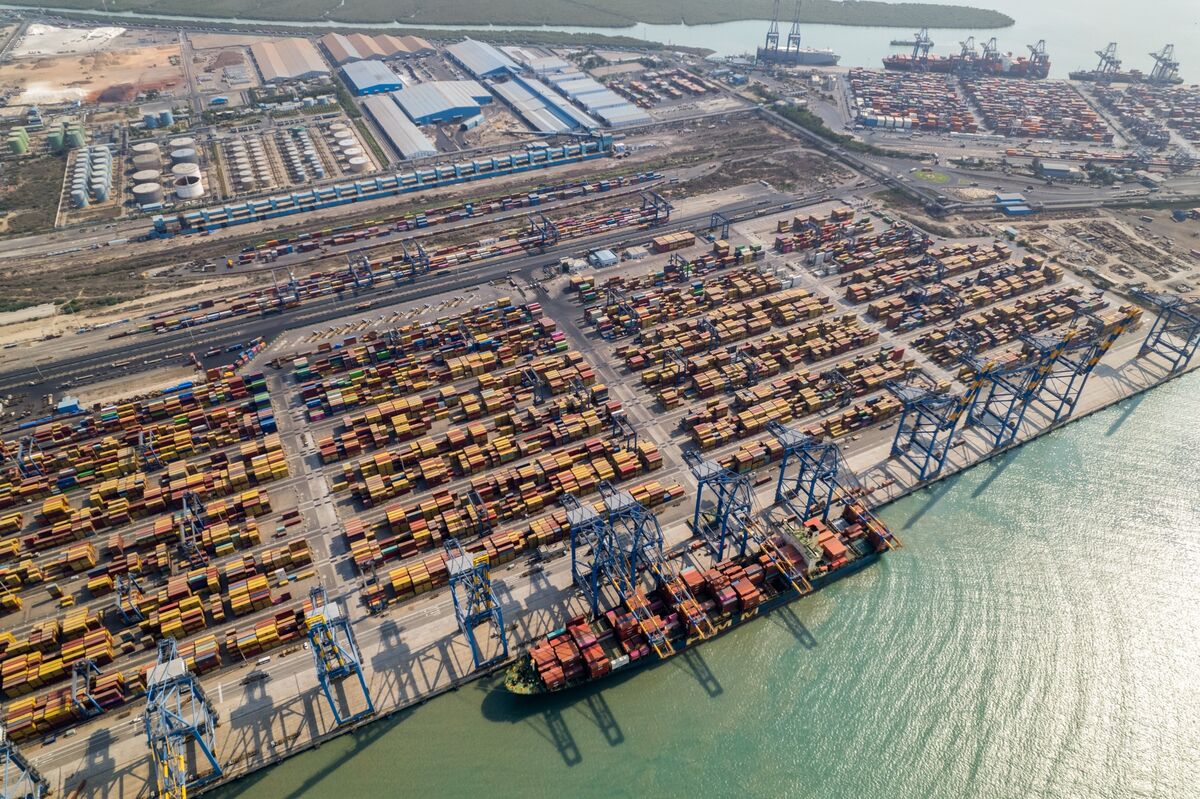
Market structure: A credible uptick in US–India trade talks benefits Indian exporters (IT services, pharma, mid/high-end manufacturing), select US firms relocating supply chains, Indian ports/logistics and capital goods suppliers. Expect a reallocation of 1–5% regional market share from China to India in targeted sectors over 12–36 months, upward pressure on domestic capex and input commodity demand; INR appreciation of 2–6% becomes a plausible transmission mechanism. Cross-assets: short-term equity re-rating in Indian equities (INDA/INFY/WIT) and modest downward pressure on 10y INR yields as FDI inflows rise; marginal upward impulse to shipping and industrial metals prices.
Risk assessment: Tail risks include talks stalling or US political pushback, Indian regulatory nationalist moves (data/localization, tariffs), or Chinese retaliation—each could erase near-term gains and trigger >10% drawdowns in exposed names. Time horizons separate immediate headline-driven volatility (days), medium-term rebalancing of supply chains (3–12 months), and structural gains in FDI/manufacturing (12–36 months). Hidden dependencies: success depends on implementation (land, labor, logistics), US Congressional buy-in, and corporate capex decisions; monitor PMI, FDI approvals and memo texts as catalysts.
Trade implications: Favor tactical long exposure to broad India (INDA) and selective ADRs (INFY, WIT) over 3–12 months with defined stops; consider long INR exposure via 3–6 month forwards if access exists to capture 2–4% appreciation. Implement a relative-value pair: long India vs short China internet/consumer (KWEB) to express regional reallocation while hedging global risk; use options (3-month INFY 10% OTM call spreads) to leverage headline windows without open-ended Vega risk.
Contrarian angle: The market underestimates implementation frictions—permits, power, and skilled labor constraints could compress margins and drive inflation in India, so pure long large-cap India without hedges may be overbought. Historical parallels (nearshoring headlines vs slow execution) suggest prefer phased exposure: size positions 1–3% each and use pair/option structures to limit downside if political or logistical execution falters.
AI-powered research, real-time alerts, and portfolio analytics for institutional investors.
Request DemoOverall Sentiment
neutral
Sentiment Score
0.10
