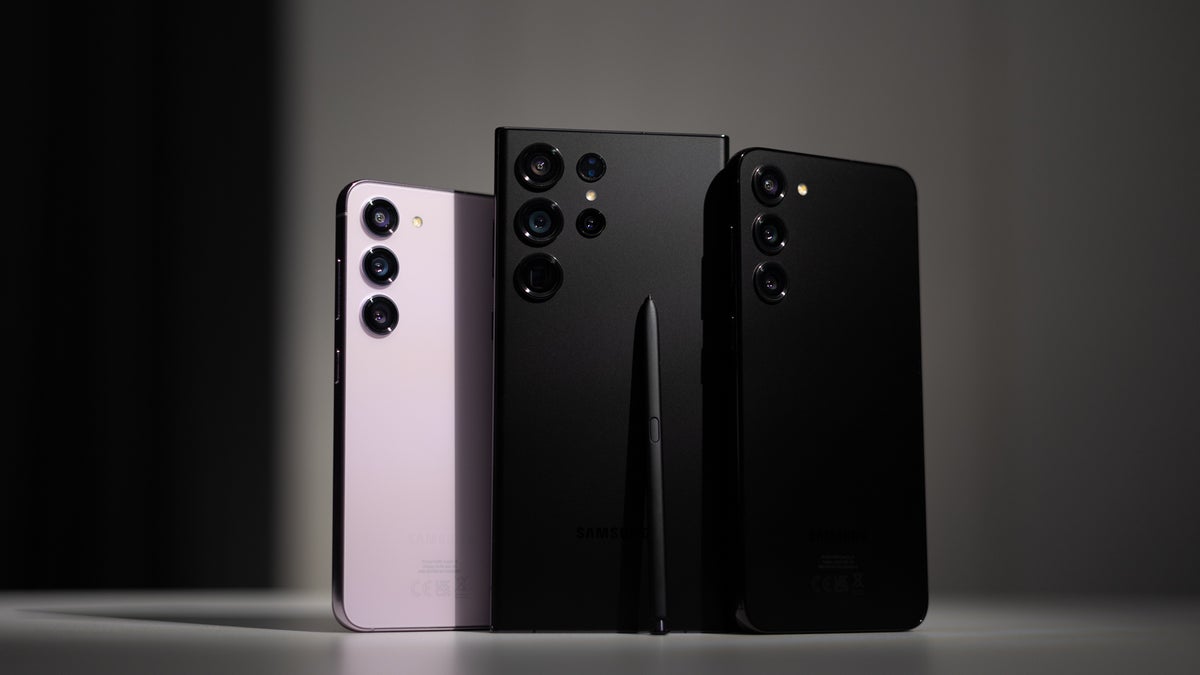
Samsung Galaxy S23 owners are frustrated that One UI 8.5 does not include AirDrop/Quick Share compatibility, despite the series still having one year of major Android updates remaining. The article argues the Snapdragon 8 Gen 2 hardware may be technically capable, but notes Samsung and Google have not enabled the feature on devices older than the Galaxy S24 series. The issue is mostly a consumer dissatisfaction and feature-parity story rather than a material market-moving event.
The immediate market read is not about feature parity itself; it’s about perception of platform aging. Samsung’s willingness to withhold a headline capability from a still-supported flagship creates a subtle but important trust tax on the Android ecosystem, especially among high-ARPU power users who are the most likely to buy premium devices and accessories. That is mildly negative for AAPL at the margin because it preserves iMessage/AirDrop lock-in in mixed-device households, while also reinforcing Samsung’s weaker differentiation versus Apple on cross-device convenience.
For Qualcomm, the article is a reminder that chipset capability does not translate into monetizable consumer outcomes unless the software layer is fully optimized. In other words, QCOM can keep winning sockets on paper while OEM execution determines whether the end-user sees tangible value; that reduces the near-term upside from “capability-led” marketing narratives. The more important second-order effect is that Android fragmentation keeps premium Android upgrade cycles shorter than Apple’s, which supports AAPL’s installed-base monetization even when Samsung ships technically advanced hardware.
RDDT is the cleanest sentiment beneficiary in the near term because feature omissions that feel like deliberate gating tend to trigger outsized community engagement, and Reddit is where that grievance becomes narrative. But this is likely a 1–2 week attention trade, not a fundamental inflection, unless the discussion broadens into a wider “Samsung is arbitrarily withholding updates” meme. The contrarian angle is that restraint may actually be value-preserving: if Samsung avoids shipping a flaky implementation, it protects device performance and limits support costs, which is better for long-run retention than a forced parity release that underperforms.
AI-powered research, real-time alerts, and portfolio analytics for institutional investors.
Request DemoOverall Sentiment
moderately negative
Sentiment Score
-0.35
Ticker Sentiment
