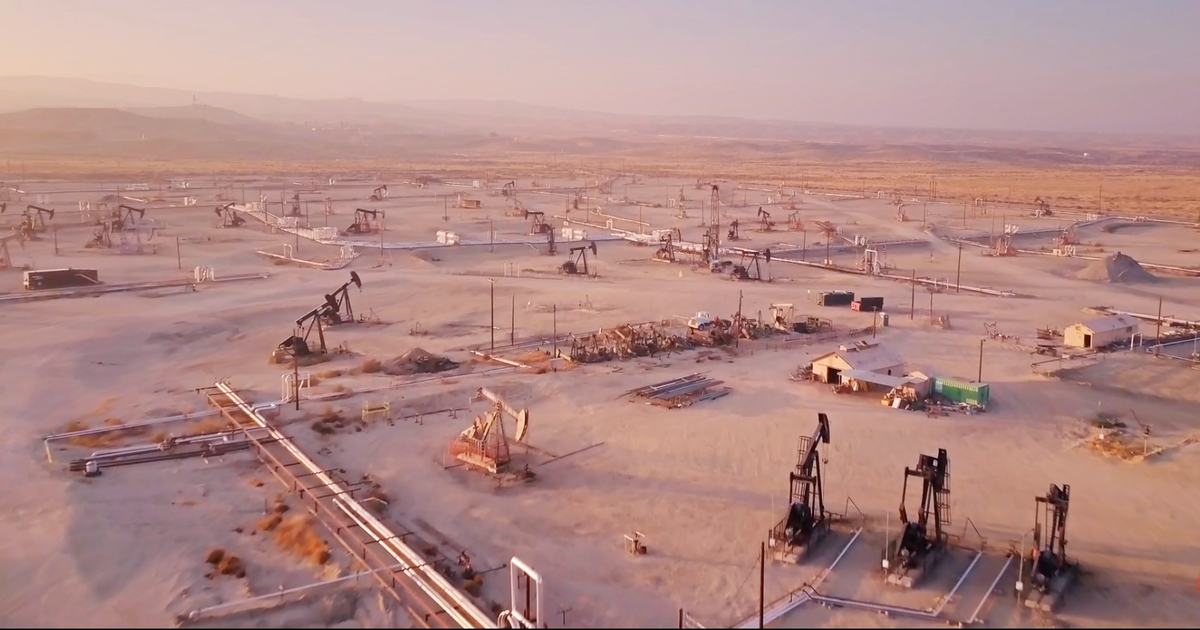
The American Lung Association says 152 million Americans, including 33 million children under 18, live in areas with unhealthy air, with 44% of the U.S. population affected. Bakersfield, California remains the worst U.S. city for year-round particle pollution, while Bozeman, Montana ranks cleanest. The report also warns that data centers tied to AI are adding to pollution and criticizes recent EPA deregulation efforts that could weaken air-quality protections.
The market implication is less about headline ESG pressure and more about a widening regulatory wedge between localizing costs and centralizing compute. AI infrastructure operators with fast-growing backup generation, on-site power, and heavy diesel exposure are at risk of a longer permitting cycle, higher capex, and more frequent community/legal challenges; that is a margin and schedule risk that can hit revenue recognition over the next 12-24 months even if AI demand remains intact. The second-order winner is distributed power and grid-equipment vendors: anything that helps data centers decarbonize, electrify, or secure cleaner firm power should see pull-through as operators try to preempt future restrictions.
The clean-air report is also a reminder that healthcare costs and absenteeism are an underpriced externality in Sun Belt metros with poor air quality. That creates a subtle tailwind for managed care, asthma/COPD therapies, and respiratory monitoring, but the bigger trading opportunity is in real estate and municipal economics: persistently poor air quality can be a drag on population inflows, office utilization, and premium residential demand over multiple years. The beneficiaries are higher-altitude, coastal, and mountain markets with cleaner air, which can support relative strength in select REITs and local services exposure.
Contrarian take: the consensus may be overestimating how quickly federal deregulatory moves translate into real-world emissions growth. The binding constraint near term is often state/local permitting, utility interconnection, and generator economics, so the most immediate effect is likely project delay rather than a straight-line spike in pollution. That argues for trading the bottlenecks, not the policy headline: the first-order shorts are exposed industrial backup power/diesel-heavy compute builds, while the better longs are grid-modernization and emissions-control names that monetize compliance regardless of federal rhetoric.
AI-powered research, real-time alerts, and portfolio analytics for institutional investors.
Request TrialOverall Sentiment
mildly negative
Sentiment Score
-0.25
