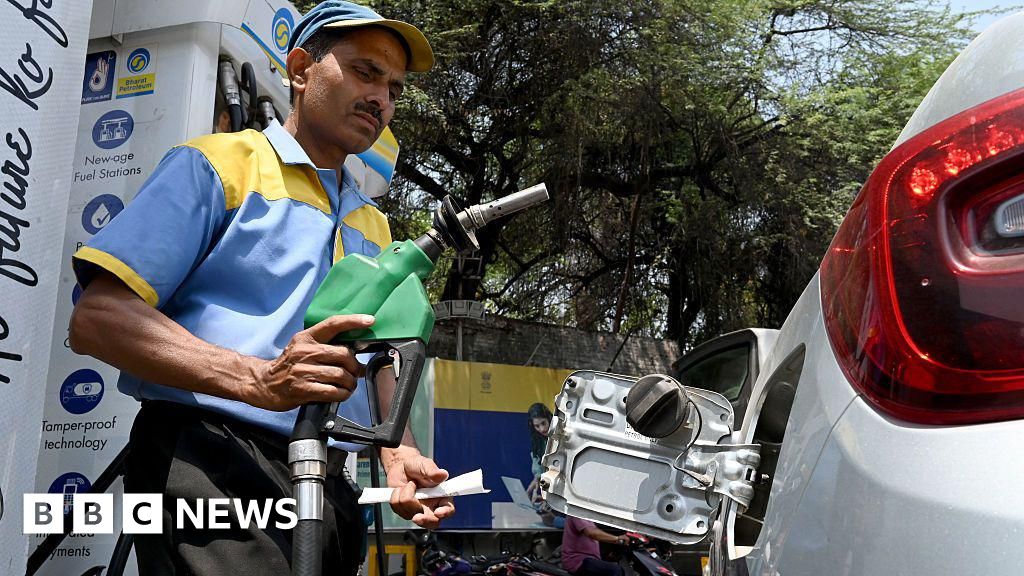
Brent crude rose 1.85% to $111.28 and U.S. oil gained 2.32% to $107.87 as Trump warned Iran that the "clock is ticking" on stalled peace talks. The article highlights heightened geopolitical risk after Iran’s effective closure of the Strait of Hormuz, through which about one-fifth of global oil and LNG flows, and reports continued attacks across the Gulf. The situation raises the risk of further energy-price spikes and broader market volatility.
The market is pricing a classic geopolitics premium, but the second-order effect is less about spot oil and more about the persistence of outage risk across the entire Gulf logistics stack. If Hormuz remains constrained even intermittently, the biggest near-term winners are not just upstream producers but tanker rates, LNG route optionality, and defense exposure tied to air/missile interception and critical infrastructure hardening. That creates a broader risk-off setup where energy input costs rise at the same time transportation and industrial supply chains get less reliable.
The key asymmetry is that this is a headline-driven market with a short half-life unless physical disruption escalates. If there is no confirmed strike-induced supply loss beyond the current choke-point risk, crude can mean-revert quickly as inventories and spare capacity absorb some of the shock; but if shipping insurance, freight, or loading schedules deteriorate further, the move can reprice in days rather than weeks. The largest tail risk is not just higher prices, but a delayed demand shock: Asia refiners and petrochemical buyers may begin trimming runs before Western consumers feel the pinch.
A subtle loser is any company dependent on uninterrupted Gulf routing or feedstock arbitrage—refiners, airlines, and some industrials may get hit before equity analysts model it. Conversely, names with direct exposure to shipping bottlenecks or elevated defense spending can benefit without needing oil to stay elevated indefinitely. The consensus may be underestimating how quickly insurance and freight markets can tighten relative to spot crude, which often creates a more durable earnings impact than the commodity spike itself.
Contrarian angle: if Washington signals a de-escalation path after the adviser meeting, the current move could unwind faster than traders expect because positioning is likely crowded into geopolitics hedges. That makes near-dated options attractive over outright delta exposure, since the premium is likely to decay hard if diplomacy reopens even a narrow corridor. The best risk/reward is to own convexity into the next catalyst rather than chase spot-sensitive longs after a gap move.
AI-powered research, real-time alerts, and portfolio analytics for institutional investors.
Request DemoOverall Sentiment
moderately negative
Sentiment Score
-0.35
