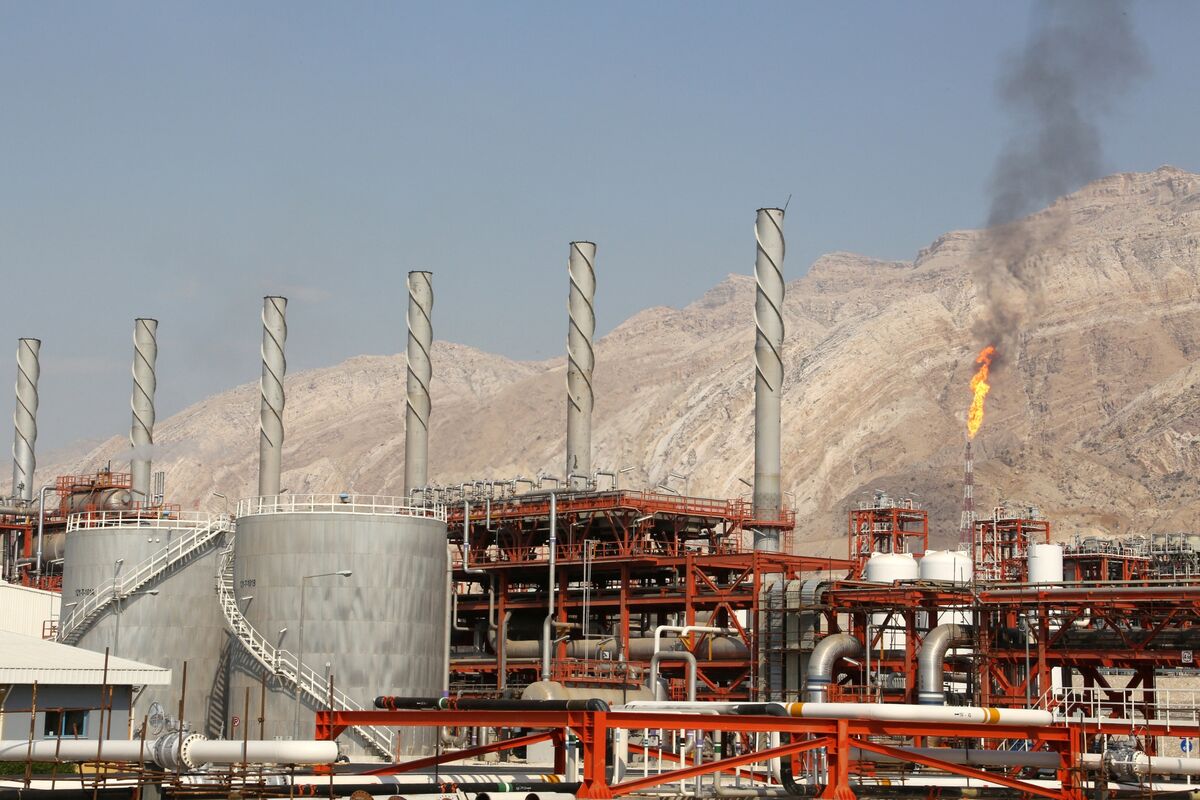
Iranian missile strike on Qatar's Ras Laffan complex damaged two LNG facilities that produce 17% of Qatar's LNG exports (~13 million tons/year) and will take 3–5 years to repair, QatarEnergy CEO Saad al‑Kaabi said. The attack followed Israeli strikes on an Iranian gas field, signaling an escalation that further destabilizes global LNG supply. Expect tighter LNG markets, upward pressure on prices and heightened geopolitical risk for energy-exposed portfolios and regional assets.
The market will treat this as a multi-layered energy-supply shock rather than a single-asset incident: expect immediate spot LNG/JKM and TTF volatility as cargoes are rerouted and buyers compete for the marginal molecule. A plausible short-term move is a 30–60% spike in spot Asian and European LNG benchmarks over 2–8 weeks, driven by tightening vessel availability and reallocation of long-term cargoes; charter rates for LNG carriers could double or triple in the same window, creating concentrated upside for owners of modern vessels.
Second-order winners and losers diverge across the value chain. Exporters with flexible contractual frameworks and idle feedstock capture most upside (high variable-margin exposure), while downstream gas-intensive industrials and fertilizer producers face margin compression and potential production cuts within 1–3 quarters. Insurers, reinsurers, and regional sovereign balance sheets absorb non-trivial contingent liabilities; increased insurance premia and higher freight cost will structurally elevate delivered LNG costs for marginal buyers.
Catalysts and timeframes: days–weeks for spot price spikes and shipping shocks, 3–12 months for contractual re-pricing and portfolio rotations, and multiple years for new liquefaction capacity or major brownfield repairs to materially change the supply picture. Key reversal events are rapid diplomatic de-escalation, an unexpected surge of alternative supply (e.g., cargo swaps or emergency FIDs), or aggressive demand destruction from industrial curtailment triggered by sustained high gas prices.
The consensus risk is binary thinking — either a transitory spike or permanent shortage. Reality is path-dependent: equities tied to export volume (not just headline prices) will underperform if export logistics or regas bottlenecks persist. Tactical positions should capitalize on outsized short-term volatility while keeping asymmetric protection against escalation and political resolution scenarios.
AI-powered research, real-time alerts, and portfolio analytics for institutional investors.
Request DemoOverall Sentiment
strongly negative
Sentiment Score
-0.75
