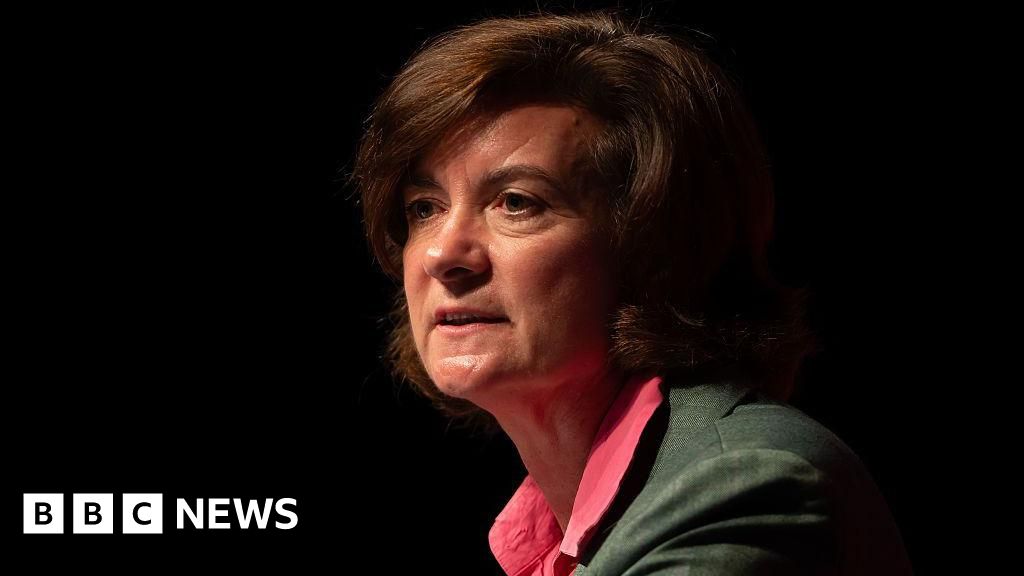
Wales' First Minister has called for increased taxation on the wealthy to address a projected £20 billion fiscal deficit, a need exacerbated by the UK government's decision to pull back from significant disability benefit cuts, which eliminated potential savings. This stance signals a potential shift towards revenue generation via higher taxes on high-net-worth individuals to cover the budget shortfall. Despite these fiscal challenges, the First Minister noted that markets appear to maintain confidence in Chancellor Rachel Reeves.
The UK government's fiscal position is under significant pressure following a policy reversal on disability benefit cuts, a move that forfeits potential savings of up to £5 billion and compounds a wider £20 billion fiscal deficit. The subsequent call from Wales' First Minister for higher taxes on the wealthy signals a potential strategic pivot for the Labour government, shifting the focus from politically difficult austerity measures to revenue-raising initiatives targeted at high earners. This internal advocacy for a 'broader shoulders' approach to fiscal consolidation suggests that tax policy will be a central battleground in managing the nation's finances. Despite the political turmoil and the considerable budget shortfall, the First Minister's observation that markets retain confidence in Chancellor Rachel Reeves suggests that investors are not yet pricing in a severe fiscal crisis, though the situation remains fluid.
AI-powered research, real-time alerts, and portfolio analytics for institutional investors.
Request DemoOverall Sentiment
moderately negative
Sentiment Score
-0.40
