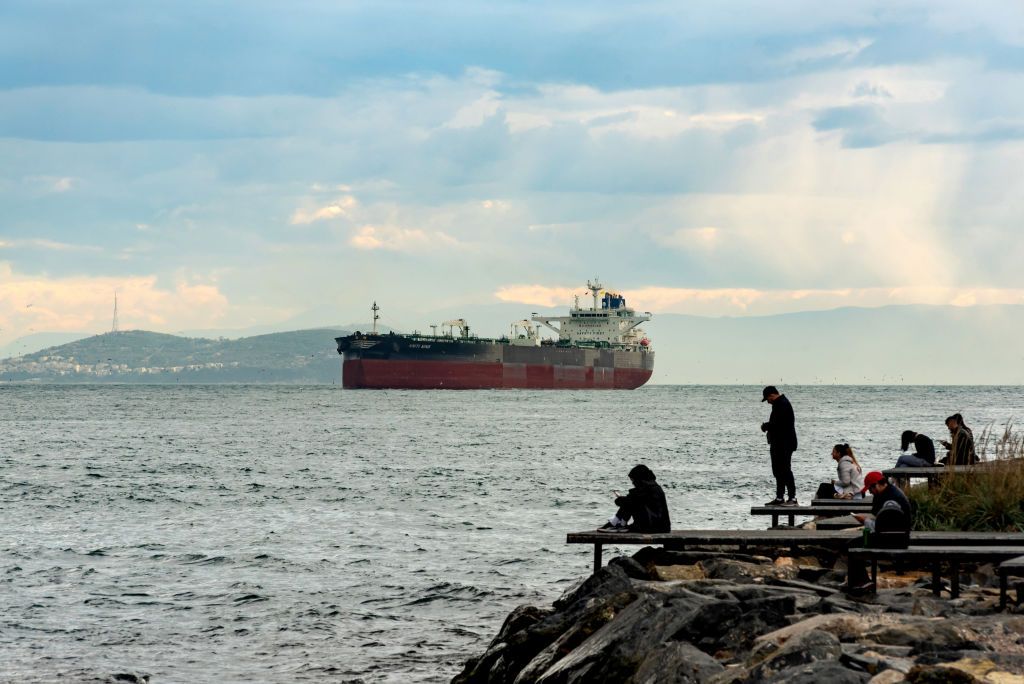
An oil tanker, the Vilamoura, carrying 1 million barrels, sustained an explosion near Libya on June 27, flooding its engine room. While the crew is safe, Ukraine's military intelligence alleges the vessel is part of Russia's 'shadow fleet' and had recently loaded Kazakh crude from Russian terminals. This incident is part of a trend of unexplained blasts on tankers linked to Russian ports, prompting shipowners to conduct mine inspections, highlighting escalating maritime risks and supply chain vulnerabilities for energy transport amidst geopolitical conflict and sanctions evasion efforts.
The explosion on the Vilamoura oil tanker, carrying one million barrels of oil near Libya, signals a significant escalation in maritime risk for energy transport connected to Russian port infrastructure. While the cause remains officially unconfirmed, the allegation from Ukraine's military intelligence that the vessel is part of Russia's 'shadow fleet' firmly places the event within a geopolitical context of sanctions evasion and targeted attacks. This incident is not isolated; it follows a pattern of at least four other unexplained explosions this year on vessels that had previously docked at Russian ports, as reported by maritime consultancy Vanguard Tech. The market response, with shipowners initiating mine inspections, underscores a tangible increase in operational risks and costs for tanker operators. Critically, the vessel was carrying Kazakh-origin crude loaded from Russian terminals, including the Caspian Pipeline Consortium (CPC) terminal, which handles approximately 80% of Kazakhstan’s oil exports. This demonstrates that the conflict's ripple effects are now directly threatening the supply chains of non-Russian energy producers, creating a new vector of supply-side uncertainty for global oil markets.
AI-powered research, real-time alerts, and portfolio analytics for institutional investors.
Overall Sentiment
moderately negative
Sentiment Score
-0.60
Ticker Sentiment
