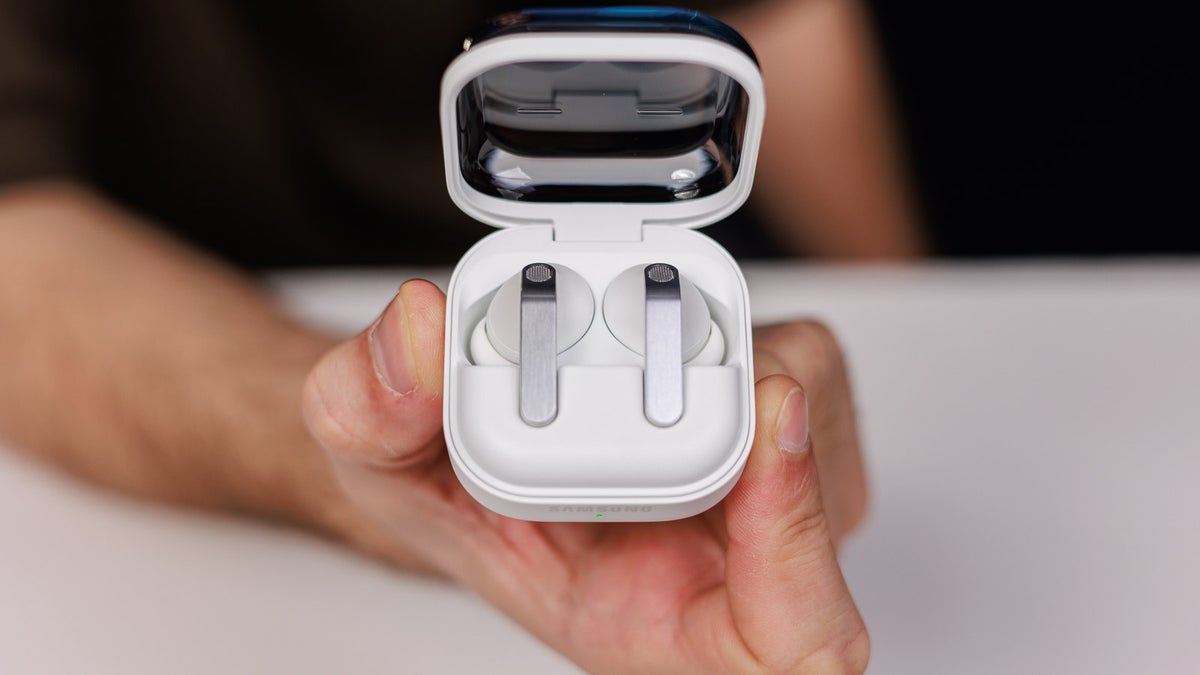
Samsung’s unannounced Galaxy Buds Able may feature a new open-air, clip-on design, based on an icon found in One UI firmware. The leak suggests a move toward bone-conduction or traditional open-ear drivers, positioning Samsung to compete with products like Huawei FreeClip 2, Bose Ultra Open, and Sony LinkBuds Clip. The article is largely exploratory and product-speculation oriented, with limited immediate market impact.
This is less about a single accessory launch and more about Samsung acknowledging that the next growth pocket in wearables is “ambient audio” rather than pure noise cancellation. If Samsung moves into clip-on/open-ear, it validates a category that should expand total addressable demand by converting users who reject in-canal buds for comfort, hygiene, or situational awareness. The second-order effect is competitive pressure on incumbents that rely on sealed-ear form factors; differentiation shifts from acoustic isolation to wearability, microphone performance, and software features, which tends to compress hardware margins faster than a standard spec-up cycle.
The biggest competitive implication is on Apple, not because this cannibalizes AirPods Pro outright, but because it broadens the market around the ear ecosystem and raises the bar for integrated health/accessibility features. Apple has already proven consumers will pay for “utility attached to audio,” so Samsung’s move likely accelerates an arms race in hearing-assist, translation, and wellness features that can be monetized via services or premium SKUs. That matters for mix: even modest attach rates can lift ASPs, but only if Samsung avoids a commoditized design clone and instead uses software integration to defend pricing.
From a timing perspective, this is a months-to-years story, not a next-week catalyst. The near-term risk is that the product launches as a me-too device with weak battery life, poor call quality, or awkward ergonomics, which would limit adoption and keep the category niche. The contrarian read is that the market may be overestimating how quickly open-ear becomes mainstream; these products solve awareness, but they still lose on passive sound leakage and low-end response, so they are more likely to add share in commuting, work, and fitness than replace premium buds broadly.
AI-powered research, real-time alerts, and portfolio analytics for institutional investors.
Request DemoOverall Sentiment
neutral
Sentiment Score
0.15
Ticker Sentiment
