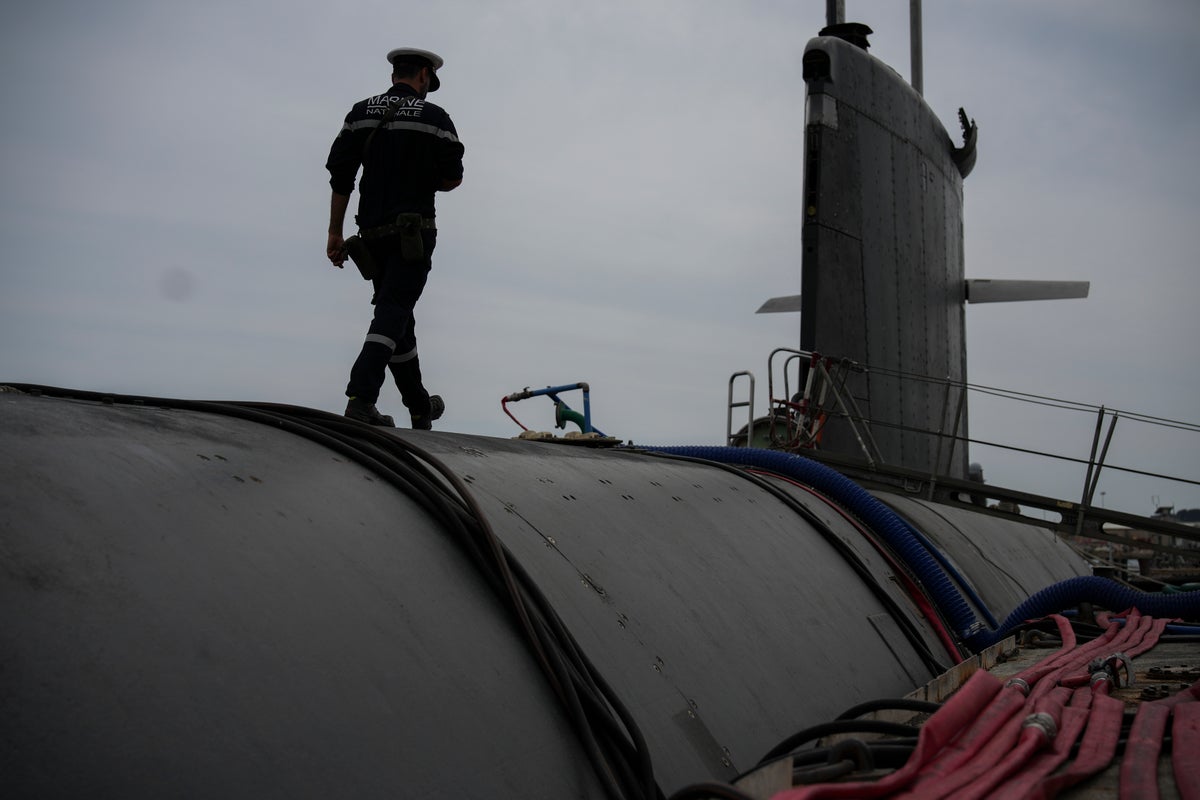
Multiple unauthorized drones were detected over Île Longue, the Atlantic base that houses France's four nuclear ballistic-missile submarines, and were intercepted by military personnel while authorities investigate the incursion and the identity of the operators. The incident, part of a wider pattern of mysterious drone flights across Europe and followed by NATO deployments of US anti-drone systems, raises near-term security risk and could support increased defence procurement and capex for European defence suppliers.
Market structure: Immediate winners are defence primes and C-UAS specialists (systems integrators, RF/radar/imaging suppliers) as governments accelerate procurement; expect 6–12% incremental defense budget reallocation to counter-drone programs in EU/NATO tenders over 12 months. Losers are short‑tail exposure to European aviation and airports (operational disruption risk) and pure-play consumer drone leisure names if stricter regs roll out. Pricing power will shift toward incumbents with fielded systems (Raytheon RTX, L3Harris LHX, Northrop NOC) as procurement prioritizes proven suppliers; small-cap innovators face consolidation or premium M&A bids.
Risk assessment: Tail risks include state‑level attribution (Russia/other) triggering sanctions or kinetic reprisals, which could spike oil by >10% and push 10y UST yields down 20–30bp in safe‑haven flows within days. Near term (days–weeks) volatility is operational and headline driven; short‑term procurement decisions (weeks–months) matter for revenue cadence; long term (quarters–years) is higher recurring defense spend and supply‑chain constraints (imagers, GaN RF) that may bottleneck deliveries. Hidden dependencies: sensor semiconductor supply and export controls (US tech) are single points of failure that can delay rollouts by 3–9 months.
Trade implications: Direct plays: size tactical longs in LHX/RTX/NOC (see decisions) and small, option‑backed exposure to AVAV for asymmetric upside; hedge with 1–2% sovereign bond (IEF/TLT) or USD (UUP) exposure. Use 6–12 month call spreads to capture procurement announcements while capping premium spend; short 1–2% exposure to European airline/airport names (IAG, AAL) or buy 3‑month puts. Sector rotate into defence/semiconductor suppliers for sensors (STMicro STM, QCOM for RF front ends) over 3–12 months.
Contrarian angles: Consensus assumes steady small budget increases; market may underprice a coordinated EU “drone wall” procurement (one-time program >€1bn) that would re-rate European primes (Thales HO.PA, Leonardo LDO.MI) by 15–25% within 12 months. Overreaction risk: shorting airlines may be overdone if incidents remain isolated; conversely, small-cap drone names may be underowned and ripe for M&A at 20–60% premiums. Watch NATO procurement timelines and export control moves—these are the catalytic, underappreciated drivers.
AI-powered research, real-time alerts, and portfolio analytics for institutional investors.
Request DemoOverall Sentiment
moderately negative
Sentiment Score
-0.30
