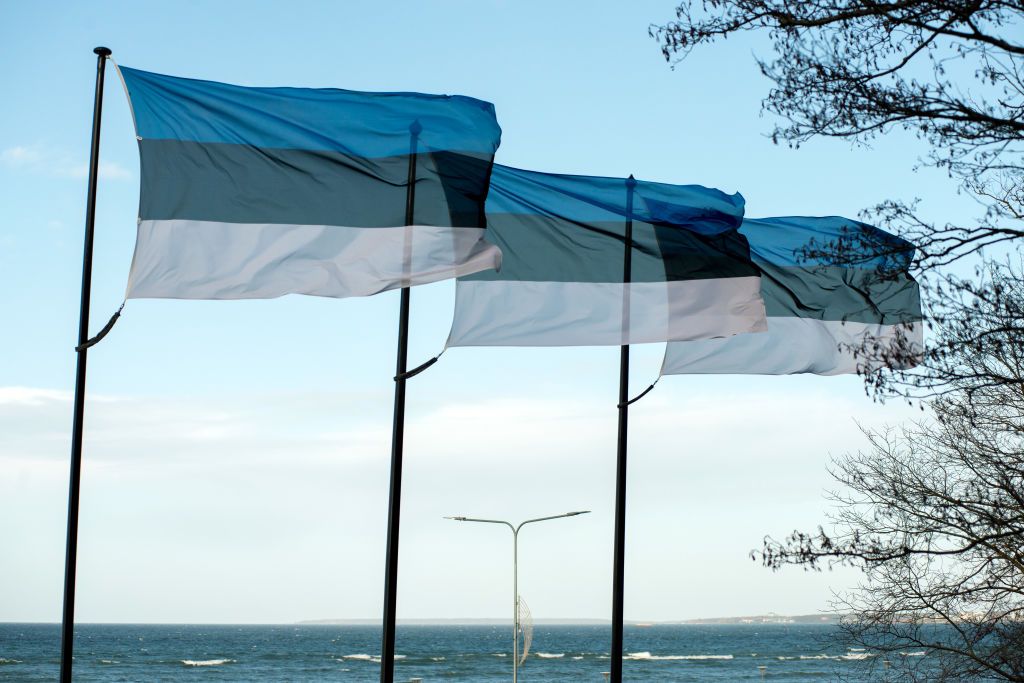
Estonia said it will not detain Russian shadow fleet vessels in the Baltic Sea because the risk of military escalation is too high, underscoring heightened tensions around sanctions enforcement and regional security. The shadow fleet remains central to moving Russian oil, while France and the U.K. are taking a more assertive stance by intercepting or boarding suspect ships. Estonia would intervene only in exceptional cases such as threats to critical underwater infrastructure or a major oil spill.
Estonia’s restraint removes a near-term escalation trigger, but it does not remove the underlying friction premium in Baltic shipping. The market implication is not a clean normalization; it is a bifurcation where enforcement migrates to lower-risk theaters, making North Sea/Atlantic routes comparatively safer while the Baltic remains an elevated-risk corridor. That should keep war-risk insurance, routing inefficiencies, and compliance costs sticky rather than episodic, which is incrementally supportive for non-Russian tanker operators and firms with exposure to longer-haul substitutions.
The second-order effect is on Russian export flexibility. If Baltic interdictions stay politically constrained, Russia can preserve volumes, but only by continuing to spend on escort capacity and vessel obfuscation, which raises all-in logistics costs and reduces netback. That is bearish for Russian fiscal efficiency, but not necessarily bearish for global crude supply in the next few weeks; the larger effect is a persistent cap on how much Europe can credibly tighten sanctions enforcement without risking military contact. That means headline-driven volatility is likely to persist for months, while the true supply disruption risk remains a tail event rather than a base case.
The underappreciated catalyst is an accident rather than an intentional seizure: an infrastructure incident, oil spill, or close-quarters naval encounter would force a policy reset much faster than sanction rhetoric. Until then, the trade is mainly about relative beneficiaries of rerouted barrels and maritime risk premia, not directional oil. If Baltic risk stays elevated but contained, the losers are Baltic-adjacent shippers and insurers with exposure to regional uncertainty; the winners are firms with diversified fleets and lower sensitivity to route disruption.
AI-powered research, real-time alerts, and portfolio analytics for institutional investors.
Request DemoOverall Sentiment
mildly negative
Sentiment Score
-0.15
