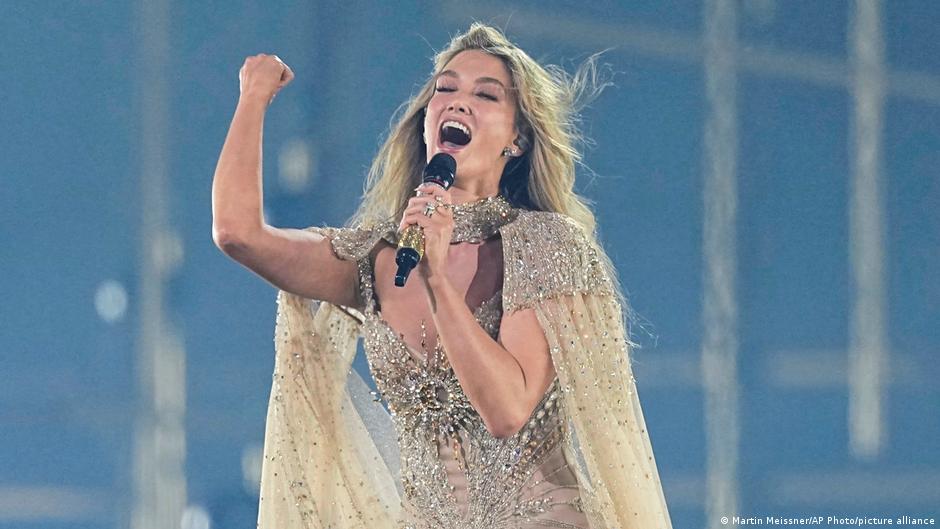
Eurovision's final opened in Vienna with five countries—Spain, Ireland, the Netherlands, Iceland and Slovenia—boycotting over Israel's participation, reducing entries to 35 from previous years and leaving just 25 acts in the final. The dispute has overshadowed the contest amid protests in Vienna and criticism over Israel's Gaza campaign, but the article contains no direct financial-market catalyst. Lower-than-usual TV audiences and a tarnished event backdrop are the main implications.
This is less a music-event story than a live test of whether cultural platforms can stay politically neutral when audience sentiment is fragmenting. The immediate economic impact is small, but the second-order effect is reputational: organizers now face a persistent “participation tax” where every geopolitical flashpoint can suppress entrants, ad inventory quality, and sponsor enthusiasm. That tends to hit the monetization mix before it hits headline ratings, because brands usually re-price first on controversy risk rather than absolute viewership.
The bigger read-through is for broadcasters and rights holders with pan-European, family-friendly formats: they become more exposed to boycott coordination and activist pressure than sports, where sanction logic is clearer. That means the market may be underestimating the persistence of discounting around live-event media franchises that depend on multinational cooperation and shared governance. If this dynamic repeats, the structural loser is not one annual contest but the long-tail valuation of “safe” live IP that has historically commanded premium CPMs and sponsor retention.
Contrarian view: the boycott may be over-interpreted as a permanent demand shock. Controversy can also increase social-media engagement and non-linear clipping value, especially for younger viewers who consume highlights rather than full broadcasts. If the event still produces a viral winner or breakout performance, near-term ratings could stabilize faster than consensus expects, making the selloff in adjacent media names too reactive if investors extrapolate one politicized edition into a durable trend.
Catalyst-wise, the next 1-4 weeks matter more than the event itself: sponsor renewals, broadcaster commentary, and any post-event ratings data will determine whether this becomes a one-off or a template. The tail risk is escalation into other transnational entertainment properties, which would widen the risk premium across live-event monetization models over the next 6-12 months.
AI-powered research, real-time alerts, and portfolio analytics for institutional investors.
Request DemoOverall Sentiment
neutral
Sentiment Score
-0.10
