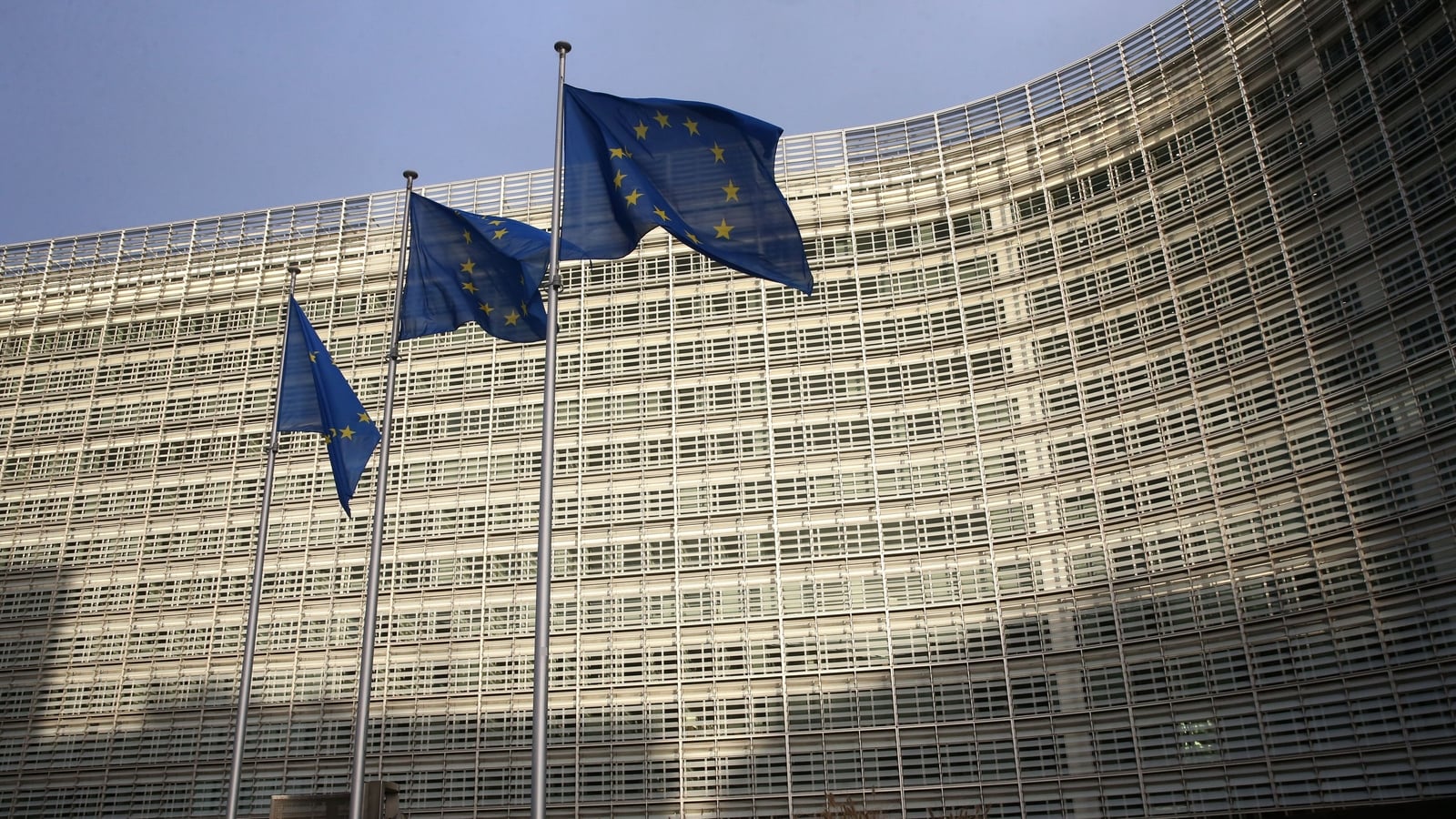
The European Commission unveiled a broad energy-crisis response after the US-Israel war on Iran disrupted energy markets, including relaxed state aid rules, targeted tax cuts, and tools to support households, SMEs and energy-intensive industries. The EU said the Gulf conflict has already cost an additional €24 billion in energy imports, while member states may temporarily apply energy tax rates below current EU minimums and increase windfall taxes on energy companies. The package also accelerates grid sharing, renewable adoption and electrification to reduce long-term energy costs and dependence on imported fossil fuels.
The first-order read is support for consumers and energy-intensive industry, but the second-order effect is a broader re-pricing of regulation risk across European utilities, traders, and fuel distributors. The allowance for extra windfall taxation creates a cap on upside for integrated and merchant power names just as political tolerance for high margins is falling; that makes cash-flow visibility worse, not better, and should pressure multiples more than near-term earnings. The likely relative winners are balance-sheet-light beneficiaries of demand-stabilization: retailers, grid equipment, efficiency, and electrification supply chains that can sell into subsidy-backed capex without carrying commodity risk.
A more important medium-term implication is that the EU is effectively accelerating demand destruction for imported molecules while subsidizing switching behavior. Faster grid interconnection, easier switching, appliance incentives, and electrification planning compress the timeline for load migration from gas and liquid fuels into electricity, which is negative for LNG import growth and refined-product distributors over 12-36 months even if spot prices get support in the next few weeks. The coordination on storage and reserve releases also reduces the chance of regional scarcity spikes, making extreme price outcomes more politically acceptable to fight and therefore less durable.
The market is probably underestimating how temporary this is for fiscal support but how structural it is for decarbonization policy. If energy prices ease materially, member states will still keep the regulatory tools and the political precedent for intervention, so volatility remains elevated even after the current shock fades. The tail risk is a second leg higher in gas/oil that forces deeper intervention and hurts margins for utilities and airlines before demand compression becomes visible in data; the reverse case is a rapid de-escalation that unwinds the emergency premium and leaves subsidy-linked trades crowded.
AI-powered research, real-time alerts, and portfolio analytics for institutional investors.
Request TrialOverall Sentiment
mildly negative
Sentiment Score
-0.15
