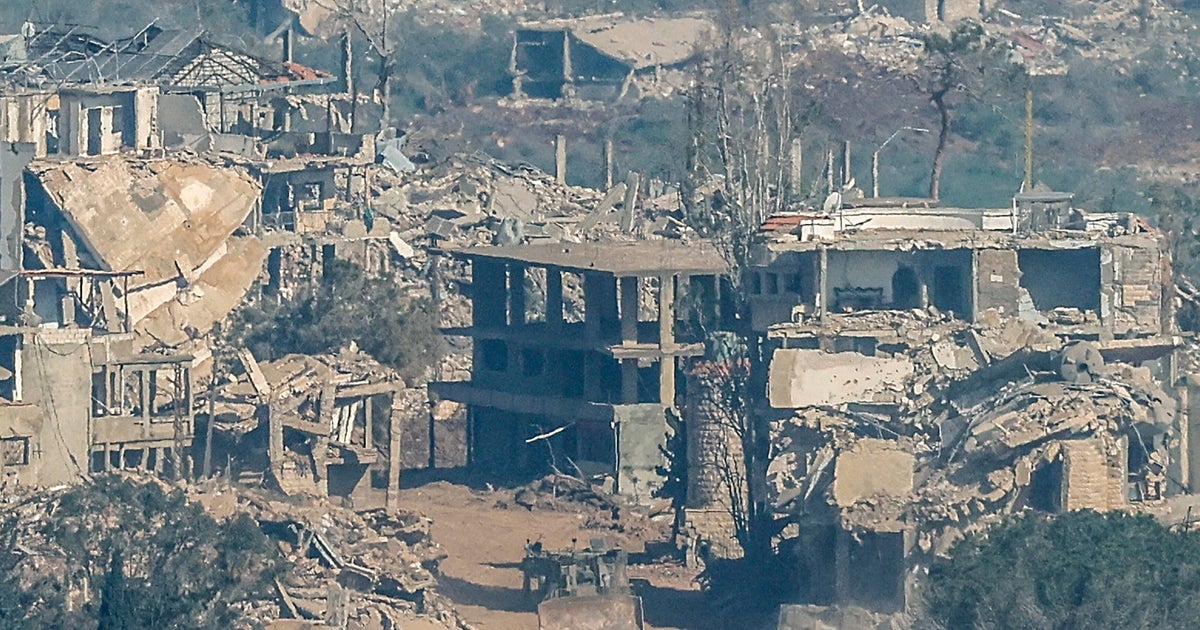
Brent crude rose to $108.36 a barrel, up almost 3% on Monday and about 17% last week, as U.S.-Iran talks stalled and shipping through the Strait of Hormuz remained heavily restricted. Iran reportedly offered to reopen the waterway if the U.S. drops its naval blockade, but without nuclear concessions; the White House said it would not negotiate through the press and kept its red lines unchanged. The geopolitical standoff is also spilling into Lebanon and broader regional risk assets, with gas prices already up 7 cents to $4.04 per gallon nationally.
The market is starting to price this as a supply shock with a diplomatic overhang, not a clean event risk. That distinction matters because the first leg of the move is already in energy, but the second-order winners are further out the curve: freight, industrial transport, airlines, and any rate-sensitive cyclicals facing a fresh inflation impulse. If the waterway remains constrained for even another 2-4 weeks, the bigger macro impact is not just higher headline CPI but a renewed squeeze on consumer discretionary margins and a higher-for-longer rate path that could unwind the recent equity complacency.
The more interesting read is that both sides appear to be treating leverage as a substitute for resolution, which raises the odds of repeated false dawns. That creates a volatility regime, not a directional one: oil can gap up on failed talks, then mean-revert on incremental de-escalation headlines, while shipping and insurance costs stay sticky because underwriters will not reprice risk down quickly. The real medium-term loser is not just crude consumers, but global trade flows that depend on predictable transit and clean sanctions compliance; that pushes capital toward domestic capex, defense logistics, and U.S. midstream infrastructure with less geopolitical beta.
Consensus may be underestimating how much of the move is reflexive rather than fundamental. If the market believes the Strait risk is temporary, crude upside is capped by eventual rerouting and inventory draws; if it believes the blockade persists, then the inflation impact becomes self-reinforcing and policy-tightening becomes the larger macro shock than the oil spike itself. In that sense, the best risk/reward is probably not outright oil beta, but expressions that monetize elevated volatility and a slower growth impulse if energy stays above the recent shock threshold into next month.
AI-powered research, real-time alerts, and portfolio analytics for institutional investors.
Request DemoOverall Sentiment
strongly negative
Sentiment Score
-0.65
Ticker Sentiment
