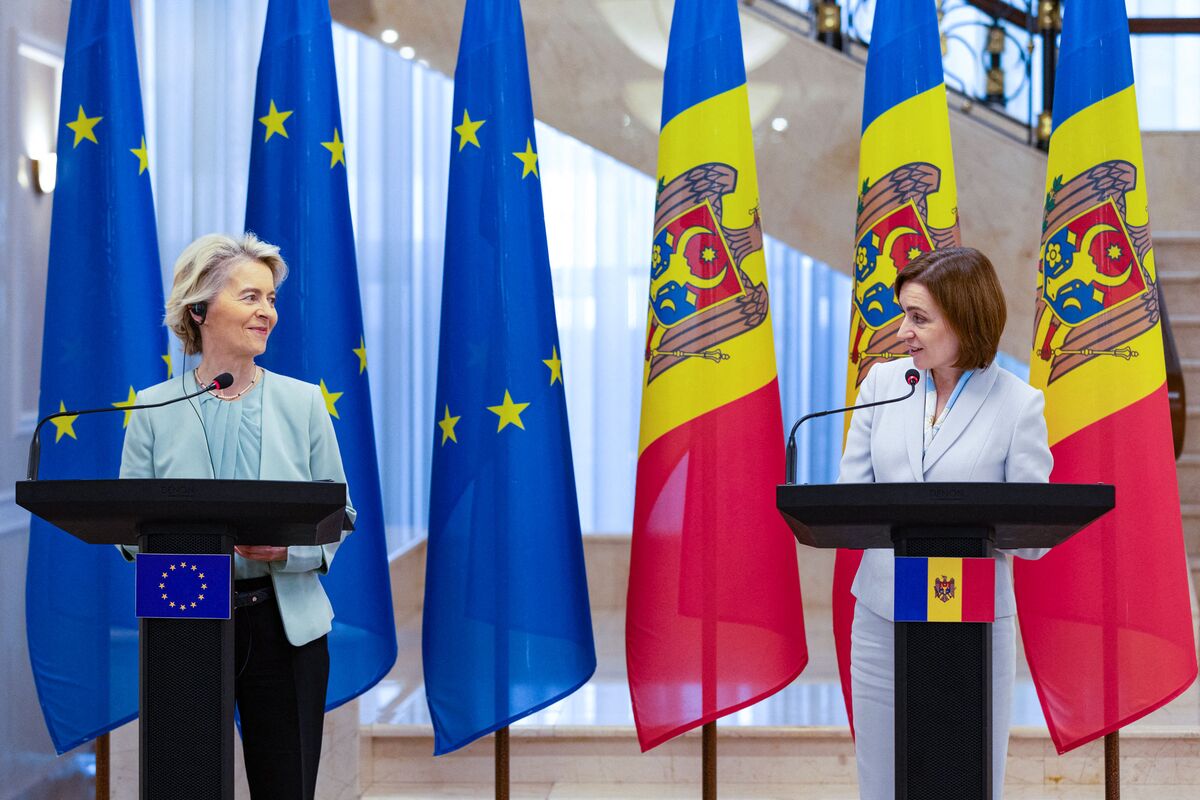
Moldova, a small nation strategically located between EU member Romania and war-torn Ukraine, has become a significant geopolitical flashpoint between Russia and the European Union. Following a concerted shift towards the EU since 2020 and a recent narrow vote to seek bloc membership, the country's reorientation away from historical Russian influence underscores escalating regional tensions and potential for further instability in Eastern Europe.
Moldova has emerged as a significant geopolitical flashpoint between Russia and the European Union, with its strategic location between EU member Romania and war-torn Ukraine amplifying its importance despite its small 2.4 million population. The country initiated a concerted shift away from historical Russian influence toward the EU in 2020, a move that recently culminated in a narrow majority vote to seek bloc membership. This slim margin highlights considerable internal political division and a fragile mandate for the pro-EU path. The situation, characterized by an 'uncertain' tone and mixed sentiment, introduces a notable element of potential instability in Eastern Europe as both Moscow and Brussels vie for influence over the country's future alignment.
AI-powered research, real-time alerts, and portfolio analytics for institutional investors.
Request DemoOverall Sentiment
mixed
Sentiment Score
-0.05
