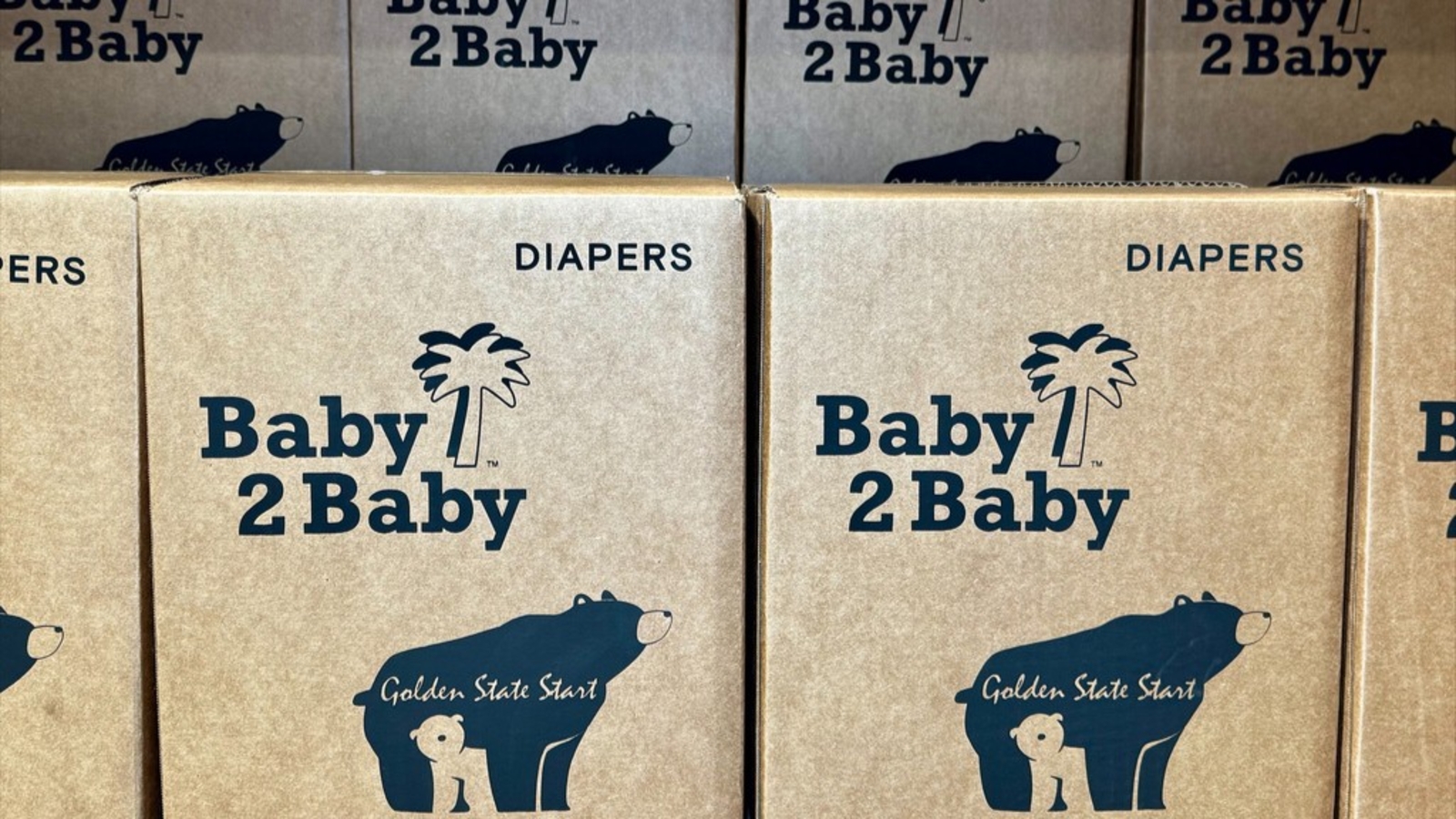
California will provide 400 free diapers per family to newborns discharged from roughly 65 to 75 hospitals in the first year, funded by $7.4 million already allocated and an additional $12.5 million proposed for FY ending June 2027. The program targets low-income families and is designed to reduce a recurring cost burden of about $100 per month per child. While socially meaningful, the initiative is largely a state budget and public-health measure with limited direct market impact.
This is a small-dollar, high-symbolism fiscal transfer with more political than macro punch, but the second-order effect is a modest reallocation of consumer spend toward categories adjacent to infant care. The biggest near-term beneficiary is likely not the diaper category itself, but complementary essentials—wipes, formula, baby toiletries, and entry-level baby apparel—because the program reduces the most price-elastic early-life purchase and may free up cash for other infant basket items.
The competitive dynamic matters: by manufacturing through a nonprofit at a steep discount, California is effectively creating a state-sponsored reference price that could pressure branded diaper manufacturers and big-box retailers to defend share with promo intensity in the West. That is more relevant for private-label and mass-market channels than premium brands, and it could slightly compress margins in adjacent consumables if retailers use diapers as a traffic driver.
For markets, the real catalyst is policy diffusion. If California’s implementation is operationally clean, it gives blue-state lawmakers a replicable template ahead of budget season and 2026 election rhetoric, which increases the odds of similar small-ticket family benefit programs in other states. The contrarian miss is that investors may overestimate the direct consumer boost while underestimating the procurement/outsourcing model: a successful low-cost public-private manufacturing system could become a blueprint for broader state purchasing in infant nutrition and hygiene.
Risk is execution and optics. If hospitals face logistical friction, eligibility ambiguity, or inventory shortages, the program becomes a headline risk rather than a durable demand support, and the political half-life could be measured in months. For any public-market angle, the tradeable effect is likely in retail and consumer staples sentiment, not in healthcare; the spend is too small to move aggregates but large enough to create localized margin pressure if scaled.
AI-powered research, real-time alerts, and portfolio analytics for institutional investors.
Request DemoOverall Sentiment
mildly positive
Sentiment Score
0.25
