US natural gas futures fell for a second day as weather forecasts shifted warmer, signaling lower heating and power-plant demand. Weakness in European natural gas and oil prices and President Trump’s prediction of a swift end to the Middle East war added further downward pressure after recent modest support from surging global energy prices.
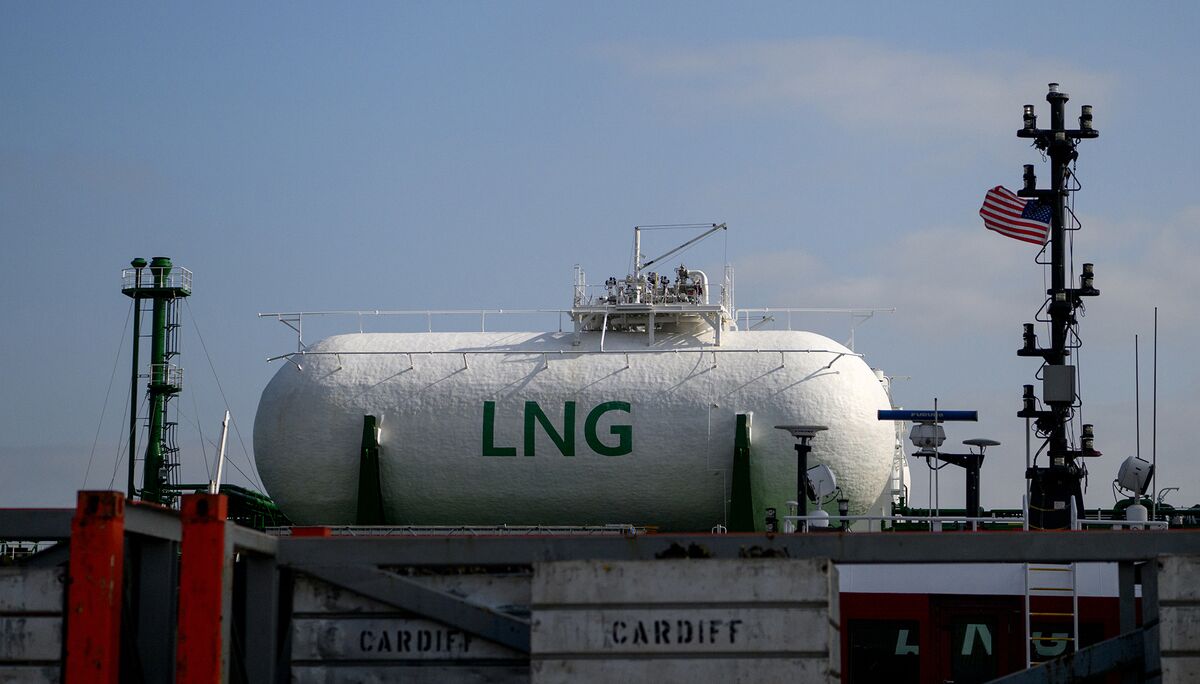
Milder weather is compressing the forward curve by removing the near-term scarcity premium, but the more important second-order effect is on the US→global arbitrage. As European and oil-linked LNG price weakness persists, cargo cancellations or re-routing become more likely, lowering US seaborne demand and putting sustained pressure on Henry Hub basis into the shoulder months; that reduces the marginal price floor for US producers until export economics recover.
On the supply side, producers with open summer hedges and sustained DUC inventories can keep volumes sticky despite lower spot realizations; that delays the storage rebalancing that would otherwise arrest declines. Conversely, pipeline and midstream receipts tied to firm contracts are insulated short term but face margin compression if throughput volumes fall next 1–3 quarters, pressuring highly levered MLPs in the event of a prolonged gas slump.
Tail risk skews are asymmetric: a late-season Arctic blast or an escalation that tightens LNG flows (e.g., unexpected outages or renewed geopolitical shocks to alternative feedstocks) can snap the market higher within 7–21 days, especially given low forward optionality. Over 6–12 months the main reversal catalysts are (a) summer storage injections failing to keep pace with demand due to export-led draws, or (b) a meaningful recovery in European gas/oil spreads that restores LNG premiums to the US.
Consensus is treating this as purely weather-driven and short-lived; that underweights the structural channel — weak European prices can mechanically depress US export liftings and force US-based sellers to offer deeper discounts to clear cargoes. The recent move thus looks rational near-term but is likely to overshoot on the downside unless front-month contango narrows or producers announce prompt curtailments.
AI-powered research, real-time alerts, and portfolio analytics for institutional investors.
Overall Sentiment
mildly negative
Sentiment Score
-0.25
