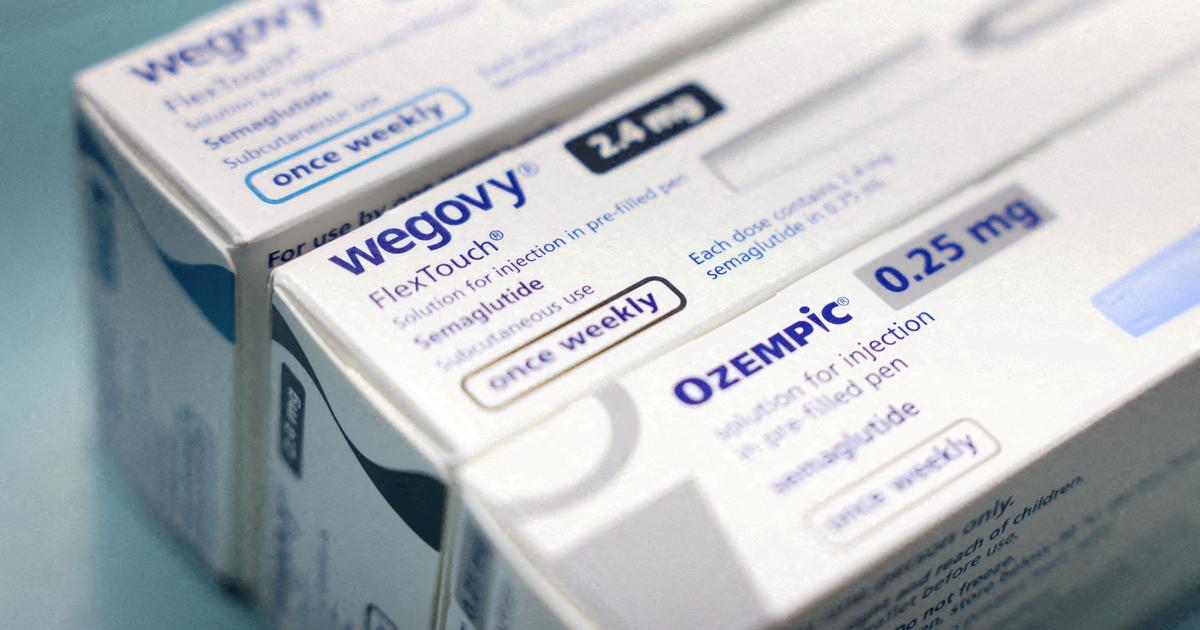
Novo Nordisk reported that a two-year study found Ozempic does not slow Alzheimer's progression, and prior data also showed it failed to slow neurodegeneration in Parkinson's, removing a potential new indication for the drug. Ozempic still delivers roughly 15% average weight loss in obese patients and appears to retain more robust cardiovascular and kidney benefits, but the Alzheimer's result knocked Novo shares about 6%, likely constraining upside tied to expansion into neurodegenerative markets.
Market structure: Novo Nordisk (NVO) suffers a headline-driven multiple compression (stock down ~6%); near-term losers are sentiment-sensitive Alzheimer/neurology biotechs that had piggybacked on class-wide hope. Winners are direct competitors in obesity/diabetes (Eli Lilly, LLY) and payers/managed-care (UNH, CVS) who may capture pricing leverage or formulary dynamics; expect modest share shifts over 6–18 months rather than immediate market displacement.
Risk assessment: Tail risks include regulatory label restrictions or safety signals (low-probability but >$10B market impact), manufacturing bottlenecks, and payor reimbursement rollback; these would materialize over 3–18 months. Near term (days–weeks) the main risk is volatility and IV spikes in NVO options; long term (12–36 months) the revenue path is driven by obesity uptake and CV/kidney label outcomes.
Trade implications: Tactical opportunities include buying volatility to hedge and exploiting relative strength in LLY vs NVO: expect a 3–9 month window for spread capture as market re-prices neuro benefits. Liquidity and IV favor calendar/verticals—use 6–12 month put spreads to limit cost and long-dated call spreads to capture a positive re-rating if CV/kidney data or payer wins arrive.
Contrarian angles: The market likely overreacted to a narrow negative readout—weight-loss efficacy (~15% avg) and emerging CV/renal benefits still support high revenue growth (multi-year). If NVO trades >12% below pre-news levels, that creates an asymmetric buy-the-dip opportunity; conversely, if competitors post stronger-than-expected share gains in next 3–6 months, downside could extend.
AI-powered research, real-time alerts, and portfolio analytics for institutional investors.
Overall Sentiment
moderately negative
Sentiment Score
-0.40
Ticker Sentiment
