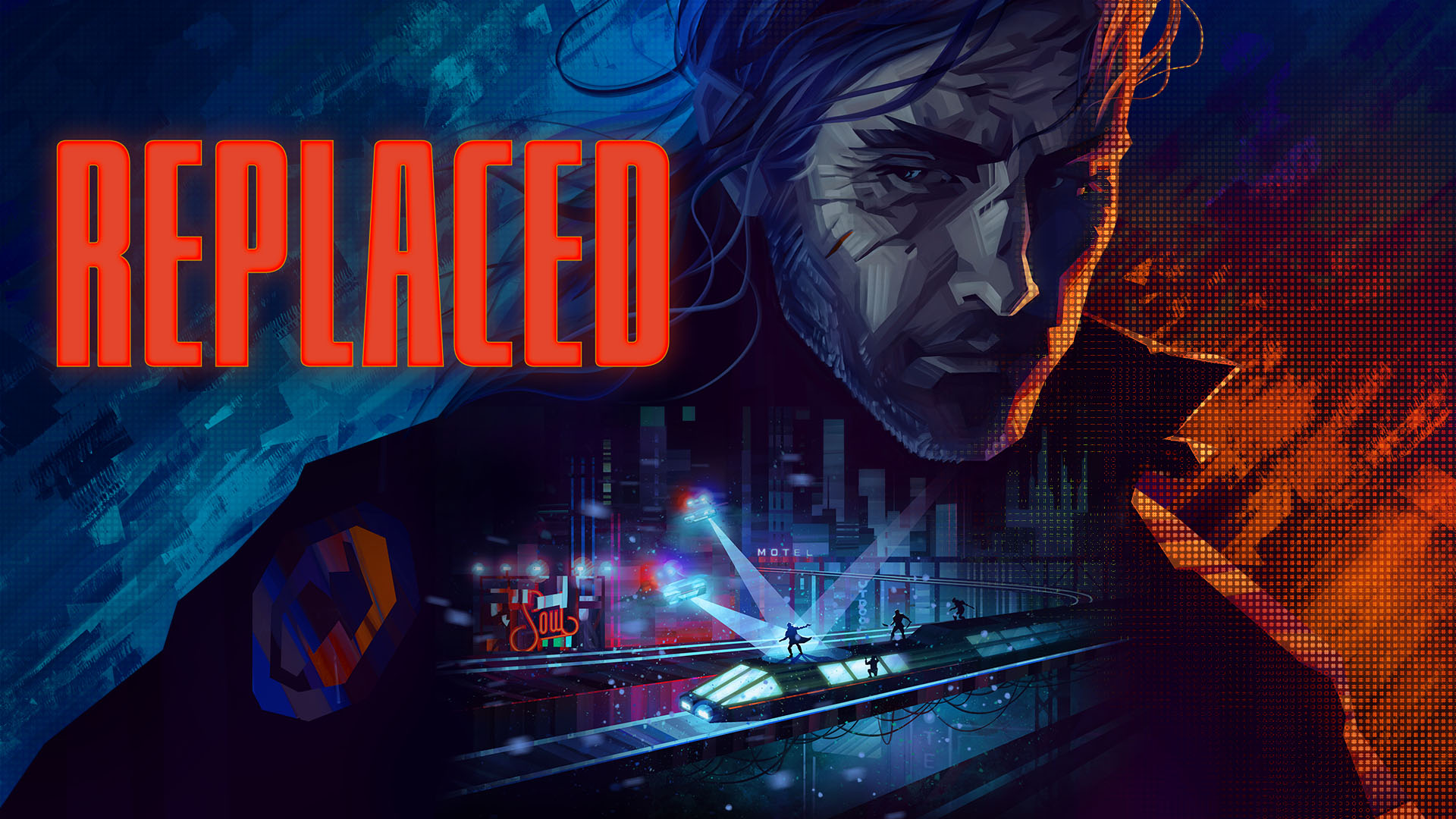
Replaced is now available on Xbox Series X|S and via Xbox Game Pass, highlighting a launch for the cyberpunk, pixel-art title from Thunderful Publishing. The article emphasizes the game’s differentiated combat system, frame-by-frame animation, and cinematic presentation as key product features. The tone is positive, but the piece is largely promotional and is unlikely to have meaningful market-moving impact.
This is a demand-quality signal for premium game assets more than a broad gaming beta event: titles that differentiate on animation fidelity, combat feel, and bespoke cinematics increasingly justify higher ASPs, stronger review scores, and better subscription attachment. The second-order winner set is the tooling layer—animation middleware, motion-capture workflows, and engines that reduce the cost of handcrafted visual polish—because the article implicitly argues that visual distinctiveness is now a commercial moat, not just an artistic choice.
For publishers, the key implication is that the market is still underestimating the long-tail value of launch-day availability on subscription platforms. A title that lands “day-one” on a large ecosystem can monetize through engagement, ecosystem retention, and catalog halo even if unit sales are capped; that benefits platform owners and first-party adjacent publishers more than pure premium-launch economics would suggest. Conversely, mid-tier AA studios without either exceptional art direction or subscription distribution are the likely losers, as consumer tolerance for generic pixel-art or recycled combat loops appears to be falling.
The main risk is execution variance: highly bespoke animation-heavy products often look impressive in marketing but can underdeliver on combat depth, which would compress engagement after the first 2-4 weeks. Longer-term, the contrarian read is that this reinforces—not weakens—the case for AI-assisted production pipelines in games; if the winning formula is handcrafted feel, studios will still seek automation to scale content creation while preserving visual quality. That creates a barbell outcome: premium studios with strong IP and platform access should outperform, while undifferentiated indie tooling vendors and weaker AA publishers face margin pressure.
Catalyst-wise, the near-term watch item is review density and player-retention data over the next 30-60 days; those metrics will tell us whether this is a one-off aesthetic success or evidence of a broader shift in player preference toward tactile, cinematic combat. If engagement is strong, expect a re-rating in adjacent names with proven narrative-action credibility and a faster capital rotation into engine/tool providers that can monetize the production side of this trend.
AI-powered research, real-time alerts, and portfolio analytics for institutional investors.
Request TrialOverall Sentiment
moderately positive
Sentiment Score
0.35
