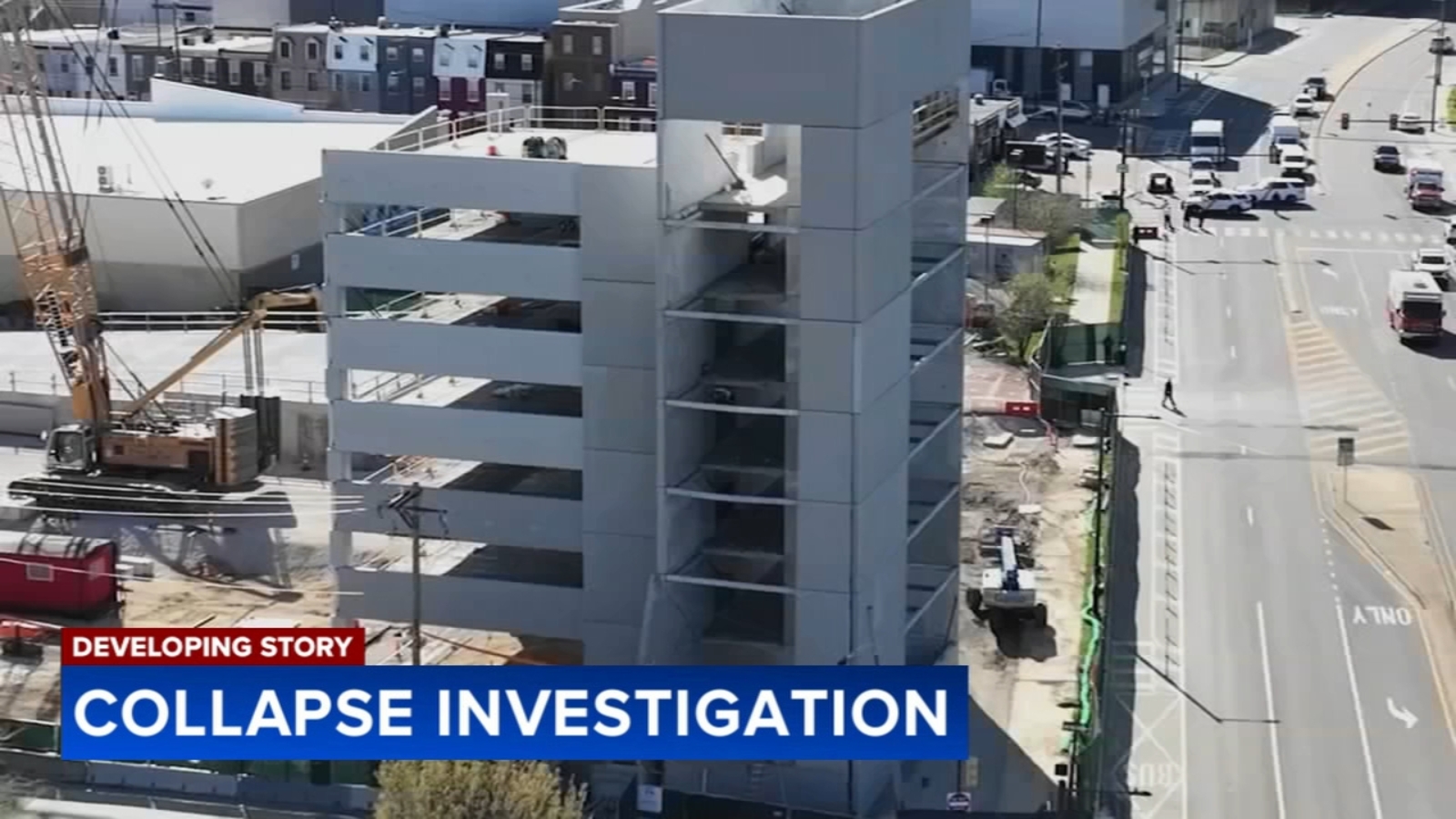
A seven-level parking garage under construction in Philadelphia collapsed, with search efforts focused on two missing people; the project was planned to provide up to 1,000 parking spots for Children’s Hospital of Philadelphia. OSHA will lead a probe—taking photos, interviewing workers, and reviewing design plans and materials—with a full investigation expected to take six months or more; construction is on hold. Permits listed HSC Builders as general contractor and PreCast Services Incorporated as subcontractor for precast concrete decking, raising potential legal and liability exposure pending findings on design, materials or construction deficiencies.
A localized structural failure often transmits risk through three channels: litigation & insurance, input-supplier reputational contagion, and regulatory tightening that raises compliance cost per project. Expect a multi-quarter surge in demand for forensic engineering, third‑party inspection, and non-destructive testing services — firms with deep bench strength and scale can reprice work and take share from smaller local inspectors. Precast manufacturers and contractors that rely on rapid modular installation face the most acute near-term demand destruction: lenders and owners will defer or add covenants on projects until independent QA protocols are installed, meaning delayed revenue recognition and higher working capital for those players. Conversely, vendors of site-monitoring tech (real‑time sensors, digital as‑built verification) will see accelerated adoption as owners try to immunize projects from repeat headlines. On the liability front, the single-event balance‑sheet hit is likely small for global reinsurers, but the pricing shock in builders‑risk and professional liability markets can persist for 6–18 months as underwriters reassess aggregation exposure in urban, multi‑level prefab work. The key catalyst that would materially widen the impact is a formal finding that a widely used precast system or field installation process is defective — that would turn a local event into a supply‑chain remediation exercise lasting years. Time horizons: immediate (days–weeks) for share‑price knee‑jerks and project holds; medium (3–12 months) for premium repricing and redirected capex into QA; long (1–3 years) if litigation causes design standard changes or recalls. Watch the OSHA report and any manufacturer admission as binary events that will reset valuations quickly.
AI-powered research, real-time alerts, and portfolio analytics for institutional investors.
Request DemoOverall Sentiment
strongly negative
Sentiment Score
-0.70
