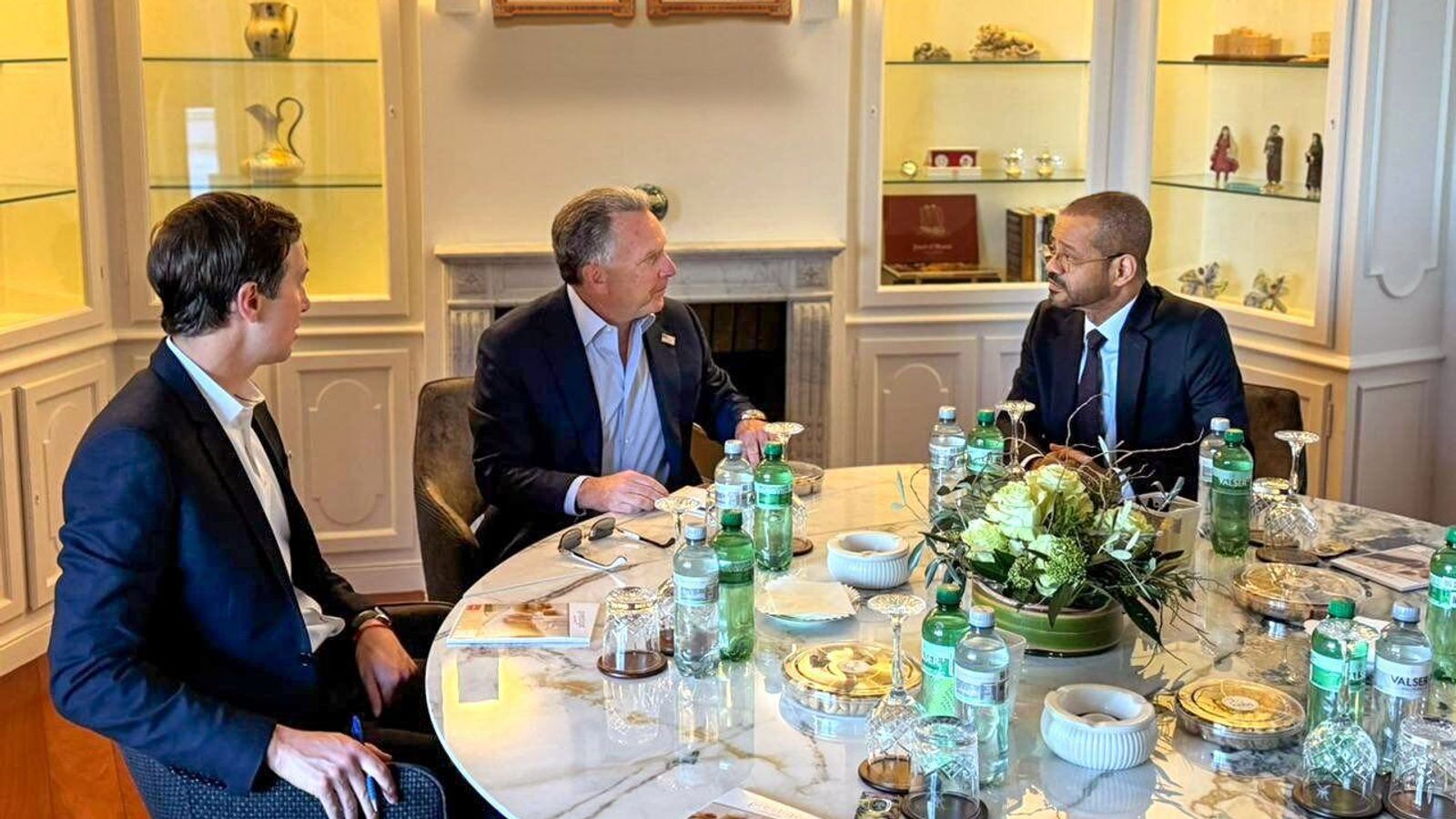
Iran has offered to eliminate its nuclear stockpile and work with the IAEA to down-blend or export material, remaining well below the 20% enrichment threshold, according to participants in Geneva talks mediated by Oman. Tehran also signalled potential commercial incentives for the US—access to oil and gas reserves and possible civilian aircraft purchases—contingent on sanctions relief, but major issues remain (ballistic missiles, sanctions, and the fate of facilities) and US policy under President Trump is unresolved; technical talks are scheduled in Vienna. For investors, a negotiated de‑escalation would be modestly positive for oil price-risk and regional risk premia but the unresolved sanctions and military build‑up mean outcomes remain highly uncertain.
Market Structure: A credible Iran–US thaw would be oil-negative: expect 0.3–1.0 mbpd of Iranian supply to re-enter global markets over 3–12 months if banking and export sanctions are eased, pressuring Brent by roughly $3–8/bbl versus current levels and compressing pricing power for OPEC+ heavyweights. Winners: commercial aviation (BA, AIR.PA), global refiners and trade-heavy EM exporters that gain supply; Losers: short-cycle US shale (XOP) and some high-cost producers that rely on $70+/bbl economics, plus short-term defensive “war-premium” beneficiaries in defense names.
Risk Assessment: Tail risk to the upside remains material — a military escalation could lift Brent $20–50/bbl within days and trigger a flight-to-quality rally in Treasuries and USD. Time horizons split: immediate (days) = volatility spikes/FX moves; short-term (weeks–months) = negotiation-driven oil flow and asset re-ratings; long-term (quarters–years) = structural reintegration subject to banking/insurance corridors. Hidden dependencies: US domestic politics (Trump’s decision window), Israeli/ congressional pushback, and re-insurance/shipping willingness to service Iranian cargoes.
Trade Implications: Tactical position sizing: size directional oil exposure small (1–3% NAV) and favor asymmetric option structures. Reduce convex exposure to defense contractors (trim 15–25% of positions) and reallocate to cyclical travel/airframe plays and EM beta. Use pair trades (long aircraft manufacturers vs short defense) and hedges (OTM Brent calls) to manage the non-zero war tail.
Contrarian Angles: Markets may underprice a slow phased reintegration — oil could fall more gradually with price dislocations in heavy vs light crude grades; alternatively, the market may be complacent about the war tail given continued US force posture. Historical parallel: 2015 JCPOA produced temporary downward oil pressure followed by renewed volatility when politics reversed; don’t assume linear de-risking.
AI-powered research, real-time alerts, and portfolio analytics for institutional investors.
Request DemoOverall Sentiment
mildly positive
Sentiment Score
0.12
