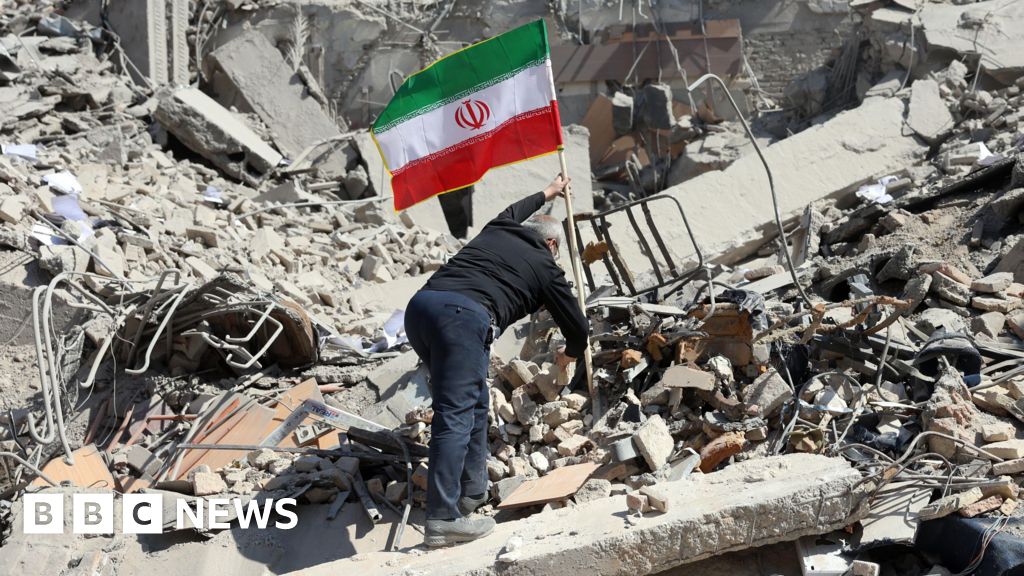
Sustained US‑Israeli air strikes on Iran since 28 February have heavily impacted Tehran and other cities, reportedly killing Iran’s Supreme Leader Ayatollah Ali Khamenei in the first wave and causing civilian casualties (Iranian officials report more than 160 killed, including at a girls' school in Minab). Widespread internet blackouts, heightened security, shop closures, ATM outages and sharp price increases for staples and long queues for petrol and bread are creating acute social and logistical disruption. The strikes and domestic instability significantly raise regional geopolitical risk, threaten energy market volatility, and are likely to drive a risk‑off response from investors with potential spillovers to emerging‑market assets and commodity prices.
Market structure: Immediate winners are defense primes (Lockheed LMT, Raytheon RTX, Northrop NOC) and energy producers (XOM, CVX, XLE) along with safe-havens (GLD, USD) and cybersecurity vendors (PANW, CRWD) as governments and corporates re‑prioritize security and energy resilience. Losers are EM equities/FX (EEM, local currencies), airlines/travel (AAL, UAL), and Iran‑centric supply chains; expect a short‑term oil shock tightening available crude by an estimated 0.5–1.5 mb/d if Strait transits or insurance disruptions occur.
Risk assessment: Tail scenarios include a prolonged Strait of Hormuz closure (Brent +$20–$40 within weeks) or widescale cyberattacks on Western infrastructure; both would push 10‑year UST yields down 20–50bp and VIX above 30. Time horizons: days = liquidity/FX dislocations and safe‑haven flows; weeks/months = commodity repricing and tactical order flow for defense/energy; quarters = boosted defense budgets and capex reallocation for 12–36 months. Hidden dependencies include P&I insurance costs, rerouting fuel freight, refinery bottlenecks and OPEC+ policy responses.
Trade implications: Act quickly — volatility window is 48–72 hours then a multi‑week price discovery phase. Favor size‑limited, event‑driven positions: buy defense and energy equities and convex options on oil/gold; hedge with short EM exposure and selective shorts in airlines/travel. Use triggers: add if Brent > $90, EM sovereign CDS widen +50bps, or VIX >25 to scale hedges.
Contrarian view: Consensus may overpay for permanent defense upside — markets historically (1991, 2019) show sharp oil spikes that mean‑revert in 2–3 months absent supply chokepoints. Mispricings: short‑dated oil/gold spikes can be bought via call spreads rather than outright longs to avoid mean‑reversion losses; unintended consequence of higher oil benefiting Gulf sovereigns could reduce long‑term geopolitical support for escalation and cap defense upside over 12–24 months.
AI-powered research, real-time alerts, and portfolio analytics for institutional investors.
Request TrialOverall Sentiment
strongly negative
Sentiment Score
-0.75
