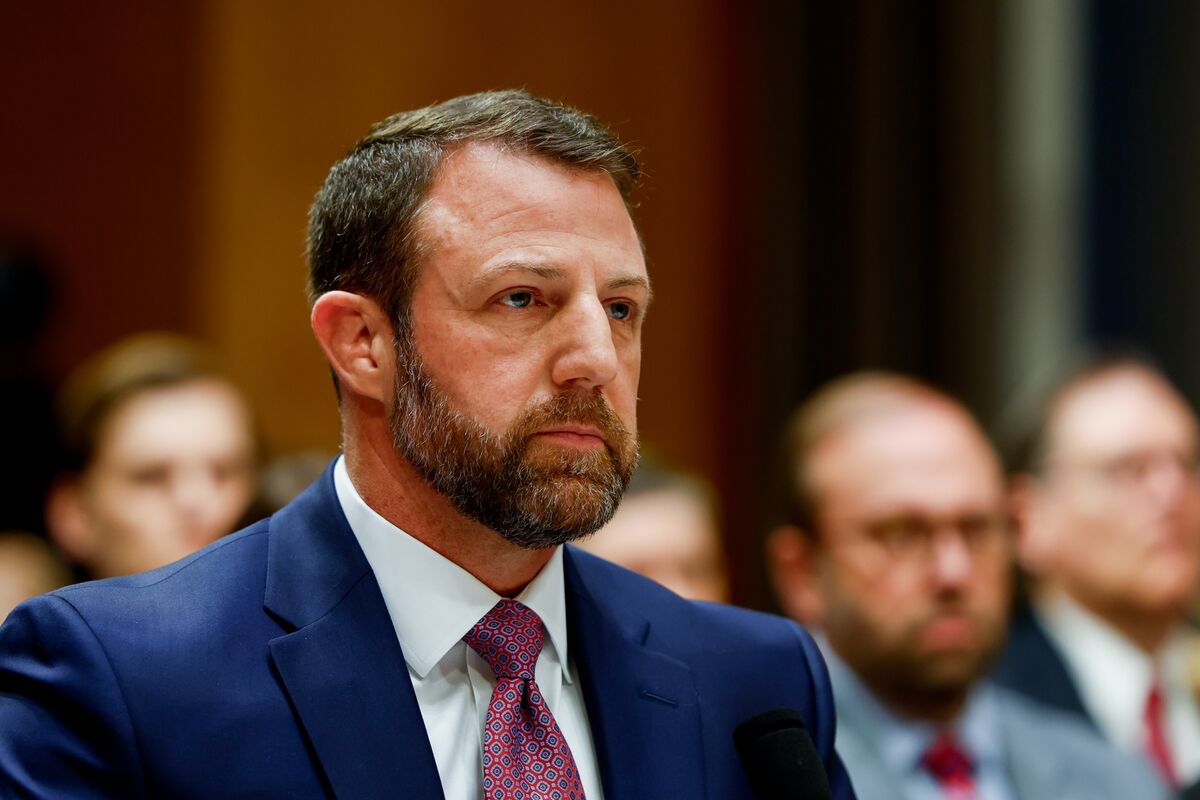
Markwayne Mullin, 48, advanced through the Senate Homeland Security Committee as President Trump's nominee despite opposition from committee chair Sen. Rand Paul, who cited Mullin's 'anger issues.' Democratic Sen. John Fetterman joined committee Republicans in supporting Mullin, citing a constructive working relationship focused on national security. The committee vote moves Mullin closer to full Senate consideration amid broader criticism of DHS aggressive tactics.
A senior-leaning DHS chief with a reputation for confrontational tactics materially shifts the marginal return profile of border/security procurements versus softer homeland priorities. Expect program sponsors to favor tangible, rapid-delivery hardware and integrated surveillance suites (sensors, comms, analytics) where contract obligations and political optics can be delivered within 6–18 months, rather than longer-horizon cybersecurity resilience programs that pay out over multi-year modernization cycles.
This re-weighting creates a two-tier opportunity: large primes with existing DHS relationships are best positioned to capture $500M–$2B program awards, while smaller systems integrators and niche sensor vendors can spike on single-award events but face high protest and execution risk; GAO protests and cybersecurity pushback typically add 3–9 months of delay and can re-price winners/losers. Politically driven enforcement posture also raises non-linear operational risks — state-level litigation, expanded FOIA scrutiny, and protest-driven logistics disruptions — which can impair near-term revenue recognition even where backlog grows.
Key catalysts to watch are (1) the full-Senate vote (days–weeks) as a binary confidence signal, (2) DHS appropriations and program RFP timelines (3–12 months) that reveal budget priorities, and (3) early contract awards (6–18 months) that will re-rate small caps. The contrarian angle: markets often overpay for “political wins” ahead of award execution; procurement cycles plus legal friction mean that durable revenue upside for equities is more likely in 12–24 months than immediately after confirmation, so trade sizing and timing must account for protest/litigation tail risk.
AI-powered research, real-time alerts, and portfolio analytics for institutional investors.
Request DemoOverall Sentiment
neutral
Sentiment Score
0.00
