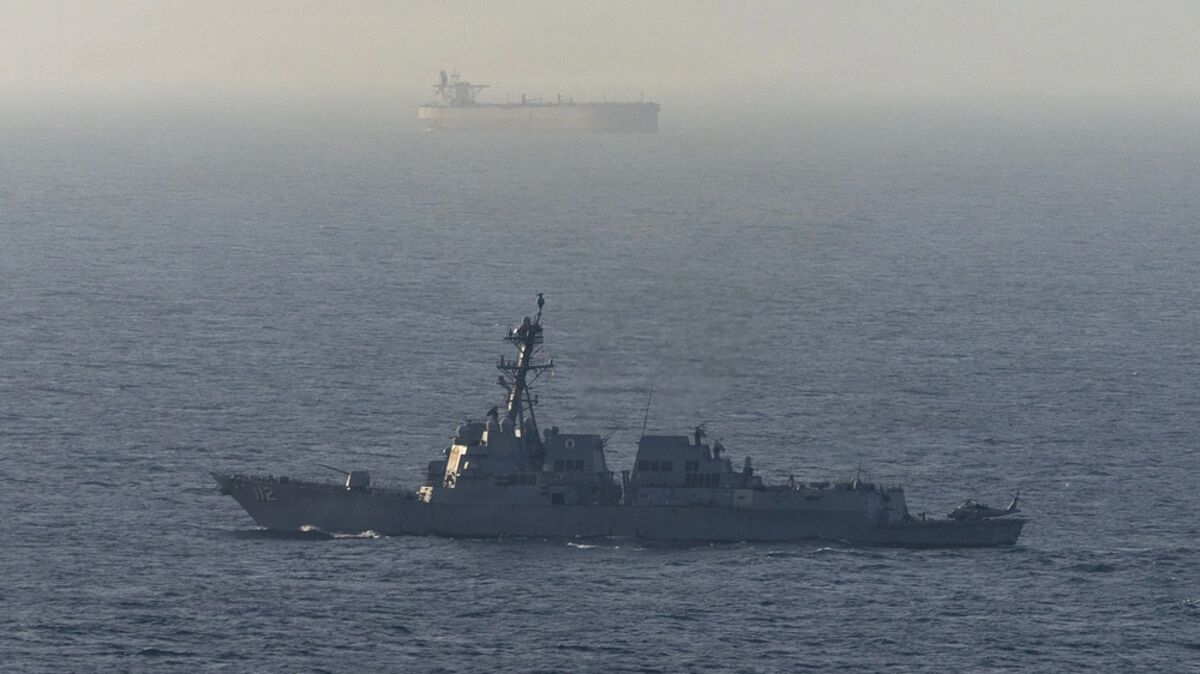
US Secretary of State Marco Rubio said Iran retaining control over the Strait of Hormuz is unacceptable, after President Trump canceled the latest round of negotiations with Tehran. The comments highlight renewed geopolitical risk around one of the world's most important oil shipping chokepoints, with potential implications for crude prices and tanker traffic if tensions escalate. Rubio also rejected any Iranian ability to decide which vessels can pass or impose tolls.
The market should treat this less as a one-day headline and more as an option on higher implied geopolitical friction in the Gulf. Even without an actual closure, the marginal effect is wider insurance premia, longer voyage times, and a higher probability of precautionary rerouting or inventory builds across Asia and Europe; that tends to support crude and refined-product crack spreads before it shows up in spot cargo disruption. The first-order move is in energy, but the second-order winner is freight volatility: tanker earnings and marine insurance can reprice faster than physical supply, especially if counterparties start demanding stricter routing guarantees.
The key risk is that the most damaging outcomes can emerge without a formal blockade. A few incidents involving harassment, inspection, or temporary passage friction can be enough to keep risk premium elevated for weeks, because refiners and traders will pay up for optionality long before barrels are actually lost. Conversely, if there is a diplomatic channel reopened quickly, the market can unwind part of the premium just as fast; this is a classic headline-sensitive setup where front-end volatility is likely to stay bid while curve structure and freight rates do the heavy lifting.
The contrarian angle is that the market may overestimate the probability of sustained physical disruption and underestimate the policy backstop. The US and allies have substantial incentive to keep sea lanes open, which means the more likely path is repeated tension rather than true interdiction. That favors expressing the theme through volatility and relative-value rather than outright directional oil beta: you want paid exposure to tail risk, not an unhedged commodity long into a headline-driven reversal.
AI-powered research, real-time alerts, and portfolio analytics for institutional investors.
Request DemoOverall Sentiment
moderately negative
Sentiment Score
-0.35
