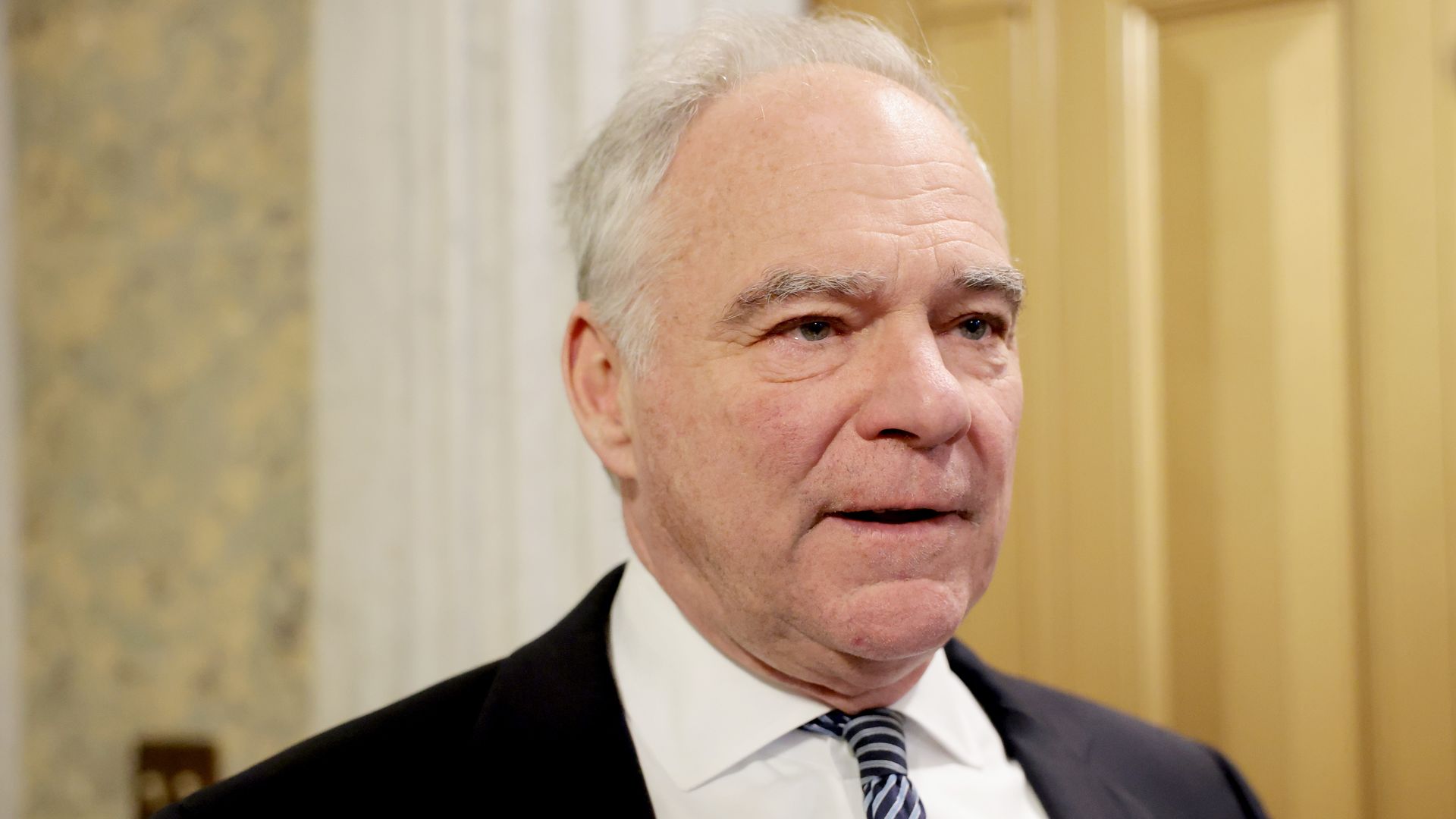
The Senate voted 51-47 to block legislation that would prevent U.S. military action against Cuba without congressional approval, preserving the administration's flexibility for now. The article highlights continued Republican support for Trump's overseas force posture, while noting only two Republicans backed advancing the measure and one Democrat opposed it. The de facto maritime blockade and potential military action against Cuba keep geopolitical risk elevated, but the direct market impact is limited.
The immediate market read is not about Cuban assets; it is about the normalization of executive discretion around maritime coercion. That raises the probability of a broader pattern where sanctions-like pressure is applied through force posture rather than formal legislation, which is incrementally bullish for defense operations, ISR, and maritime surveillance spending over the next 6-18 months. It also widens the policy gap between headline political risk and actual legislative constraint, meaning markets may underprice escalation risk until a discrete incident forces re-rating.
Second-order effects are more interesting than the direct Cuba angle. Sustained interdiction of fuel flows raises the odds of acute shortages, which can trigger migration pressure, regional instability, and larger U.S. Coast Guard/Navy operational tempo in the Caribbean. That supports defense services and platform utilization while modestly benefiting fuel logistics competitors outside the sanctioned corridor; the bigger loser is any carrier, bunker, or regional fuel distributor exposed to Caribbean routing or country-risk premiums, even if not named in the article.
The near-term catalyst is not a formal authorization vote; it is whether the maritime blockade becomes visible enough to cause an incident at sea, a humanitarian deterioration, or a political response from allies. Over days, this is mostly noise; over months, escalation risk compounds if the administration discovers it can maintain pressure without cost. The contrarian view is that the move may already be priced into geopolitical risk premia, but the Senate outcome suggests the real underpricing is not the Cuba event itself — it is the precedent for future unilateral military signaling against other targets without meaningful congressional friction.
AI-powered research, real-time alerts, and portfolio analytics for institutional investors.
Request DemoOverall Sentiment
neutral
Sentiment Score
-0.10
