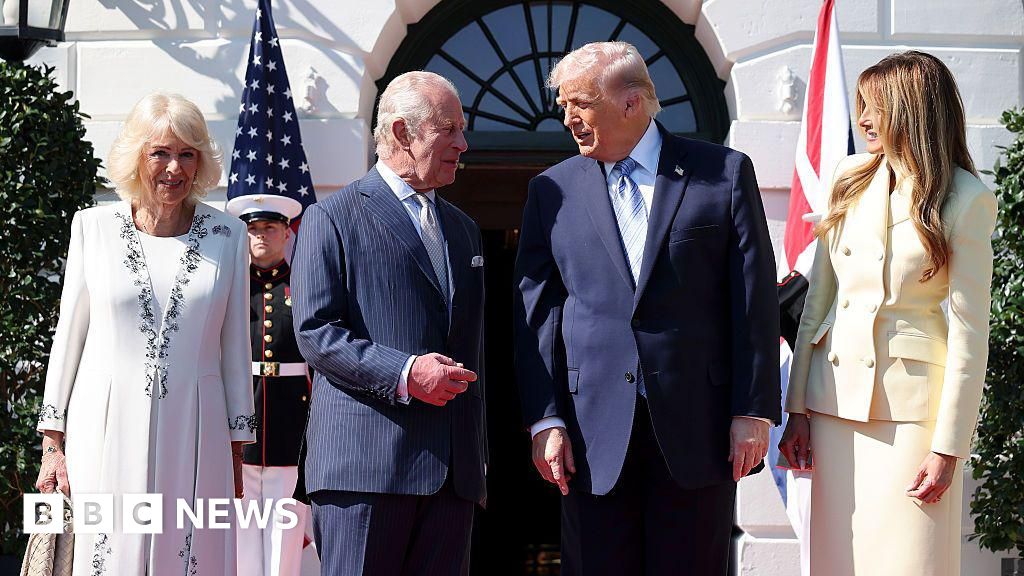
King Charles's US state visit produced warmer rhetoric and a symbolic diplomatic reset attempt, but no concrete policy commitments or market-moving outcomes. The article highlights ongoing UK-US tensions over Iran, NATO, Ukraine, trade, and Trump's approach to alliances, while suggesting the visit may modestly improve the tone of engagement. Any economic or market impact appears limited unless the warmer relationship translates into greater defense burden-sharing or coordinated policy.
The immediate market signal is not a policy reset but a modest reduction in transatlantic friction premium. That matters because even small improvements in tone can lower the probability of headline-driven repricing in UK assets tied to US cooperation: defense procurement, intelligence-linked cybersecurity, and firms with exposure to UK-US regulatory alignment. The bigger second-order effect is that the visit may buy London time to negotiate on substance without being publicly humiliated, which reduces tail risk around sudden diplomatic ruptures that can spill into trade, energy, and security spending decisions.
The key economic implication is that symbolism only helps if it unlocks burden-sharing. If the UK uses the window to credibly raise defense outlays, the beneficiaries are not just primes but the broader ecosystem: munitions, naval maintenance, satellite/ISR, and dual-use tech suppliers. Conversely, if the gesture is not matched by fiscal action, US security planners will keep discounting UK commitments, and the ‘special relationship’ becomes more ceremonial than allocative — bad for UK sovereign credibility and, indirectly, for sterling-sensitive domestically oriented sectors if markets infer weaker policy discipline.
The contrarian read is that the visit may be overinterpreted as a durable diplomatic inflection when the binding constraint is domestic politics on both sides. The most likely outcome over the next 3-12 months is continued rhetorical volatility with intermittent cooperation on Ukraine and Middle East security, not a broad policy convergence. That argues for trading the gap between optics and execution: shorting overextended UK political-risk relief while selectively owning defense names that benefit whether the relationship improves or merely stays sufficiently functional.
AI-powered research, real-time alerts, and portfolio analytics for institutional investors.
Request DemoOverall Sentiment
neutral
Sentiment Score
0.05
