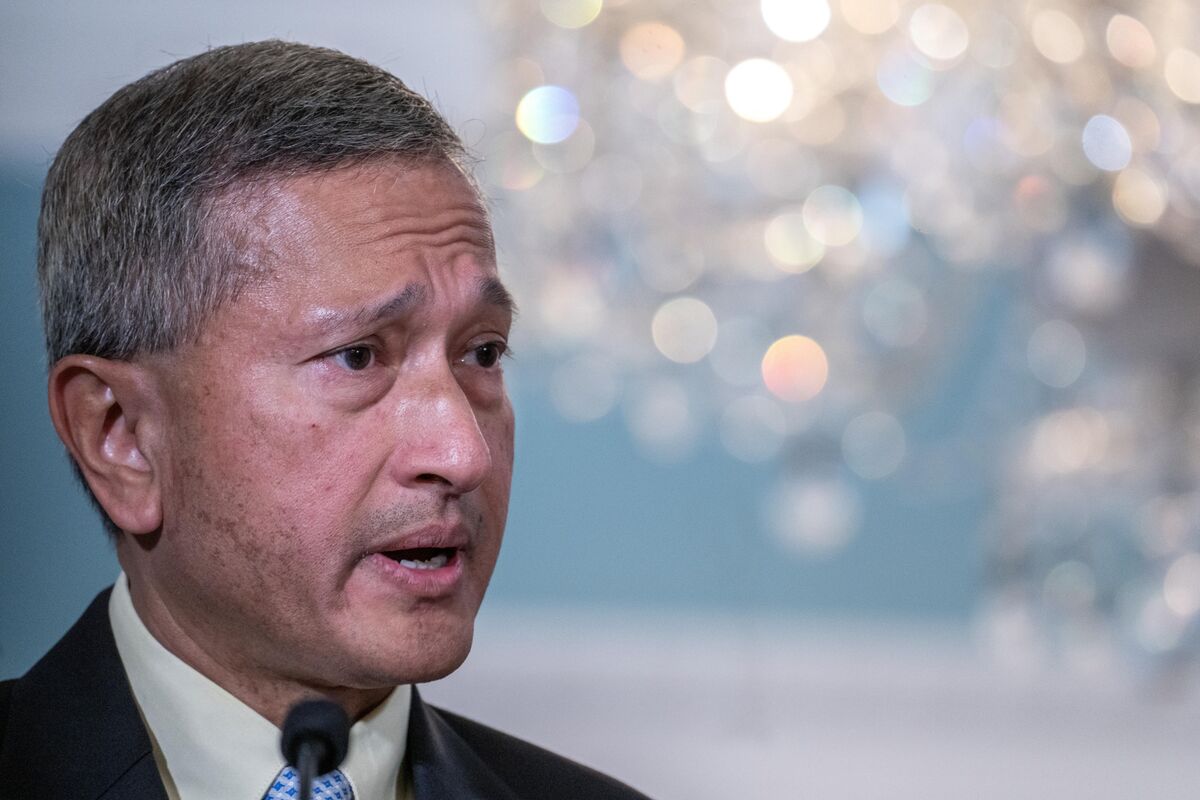
Singapore reiterated that passage through the Malacca and Singapore straits must remain free, rejecting any attempt to close, interdict, or impose tolls on the key shipping chokepoint. The comments underscore a neutral but important stance on global trade flow security amid war-related geopolitical tensions. Market impact is limited but relevant for shipping, trade routes, and regional risk sentiment.
This is less a direct market catalyst than a signaling event that reduces the probability of a self-inflicted shipping disruption in the region. The important second-order effect is that a “neutral” stance from a key transit hub lowers the odds of insurance repricing, vessel route padding, and precautionary inventory hoarding that would otherwise cascade through Asian supply chains. In practice, that supports freight stability for energy, bulk, and container flows even if headline geopolitics remain tense.
The market is likely underestimating how quickly a modest rise in perceived chokepoint risk can flow into landed-cost inflation for import-dependent Asian manufacturers. The first beneficiaries are not only carriers but also firms with contractual pass-throughs and higher inventory turns; the losers are low-margin assemblers and logistics-heavy exporters that cannot reprice quickly. Over weeks, the bigger variable is whether marine insurers and charterers start demanding wider war-risk premia, which would hit margins before any physical disruption occurs.
The contrarian view is that the consensus may be too focused on binary closure risk and too little on “managed friction.” Even without closure, small increases in congestion, rerouting, or security inspections can shave throughput and raise working capital needs across the region. That argues for caution on businesses whose earnings are most sensitive to Asia freight rates and fuel-in-cost structures, while favoring names that benefit from elevated but non-disruptive shipping costs.
Catalyst-wise, the key horizon is days to a few weeks: any escalation in the broader conflict, an incident involving a commercial vessel, or a jump in tanker war-risk premiums would quickly convert this from macro background to P&L driver. Conversely, a de-escalation in the Middle East would unwind the implied logistics premium just as fast, making this a short-duration trade rather than a structural thesis.
AI-powered research, real-time alerts, and portfolio analytics for institutional investors.
Request TrialOverall Sentiment
neutral
Sentiment Score
0.00
