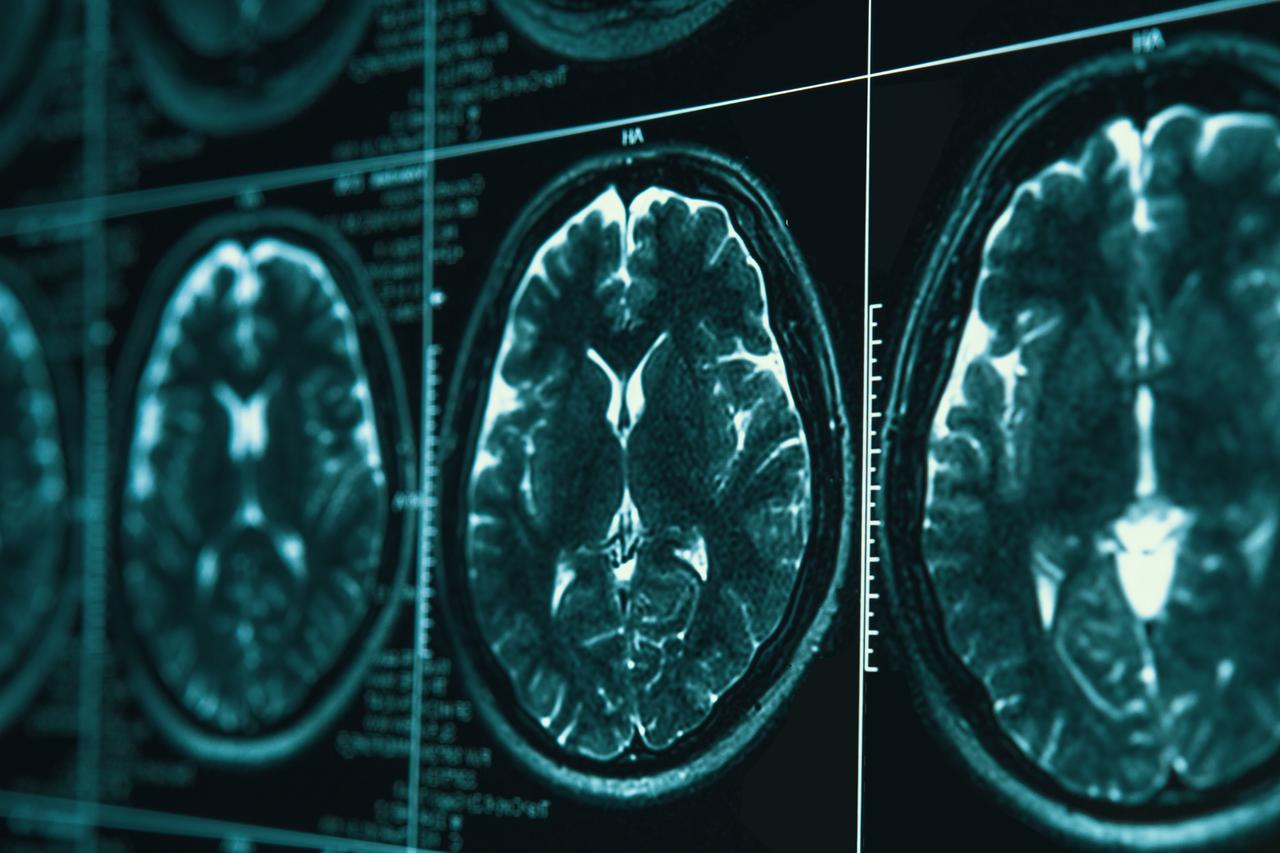
Researchers identified PTP1B as a potential Alzheimer’s target, with mouse data showing improved learning and memory after blocking the protein and enhanced microglial clearance of amyloid-beta plaques. The work suggests a possible combination-therapy approach alongside existing anti-amyloid drugs, rather than a replacement strategy. While scientifically meaningful, the news is early-stage and is unlikely to move broader markets immediately.
The immediate market read-through is not a clean “Alzheimer’s winner” but a validation of a broader thesis: microglial function is becoming a second therapeutic axis alongside plaque clearance. That matters because it expands the addressable set of assets from pure amyloid antibodies to programs that can improve clearance efficiency, potentially lowering the amount of plaque reduction needed to see clinical signal. In practice, this raises the probability that combination regimens become the eventual standard, which is favorable for platform players with multi-asset development optionality and for toolchain suppliers enabling neuroinflammation biology.
For SYK specifically, the commercial implication is more nuanced than a simple target hit. If the biology translates, SYK-linked microglial modulation could see increased partnering interest, but any direct benefit is likely years away and highly contingent on CNS exposure, safety, and biomarker readouts in humans. The bigger second-order effect may be on adjacent immunology/neurology discovery pipelines: capital tends to chase mechanistically adjacent targets after a high-quality preclinical validation, which can re-rate a basket of small-cap names with SYK-pathway or microglia franchises before any actual efficacy data exist.
The contrarian point is that this is still a mouse-model de-risking event, not a commercial catalyst. The market may over-interpret the result because it fits the current narrative that amyloid alone is insufficient; however, that also means consensus is already primed for combination approaches, so the incremental valuation impact could be modest unless a human biomarker package arrives within 12-18 months. The real risk is translational: microglial activation can cut both ways, and a therapy that improves clearance in mice could worsen neuroinflammation or fail to preserve cognition in humans, especially in later-stage disease where cellular exhaustion is more entrenched.
AI-powered research, real-time alerts, and portfolio analytics for institutional investors.
Request DemoOverall Sentiment
moderately positive
Sentiment Score
0.55
Ticker Sentiment
