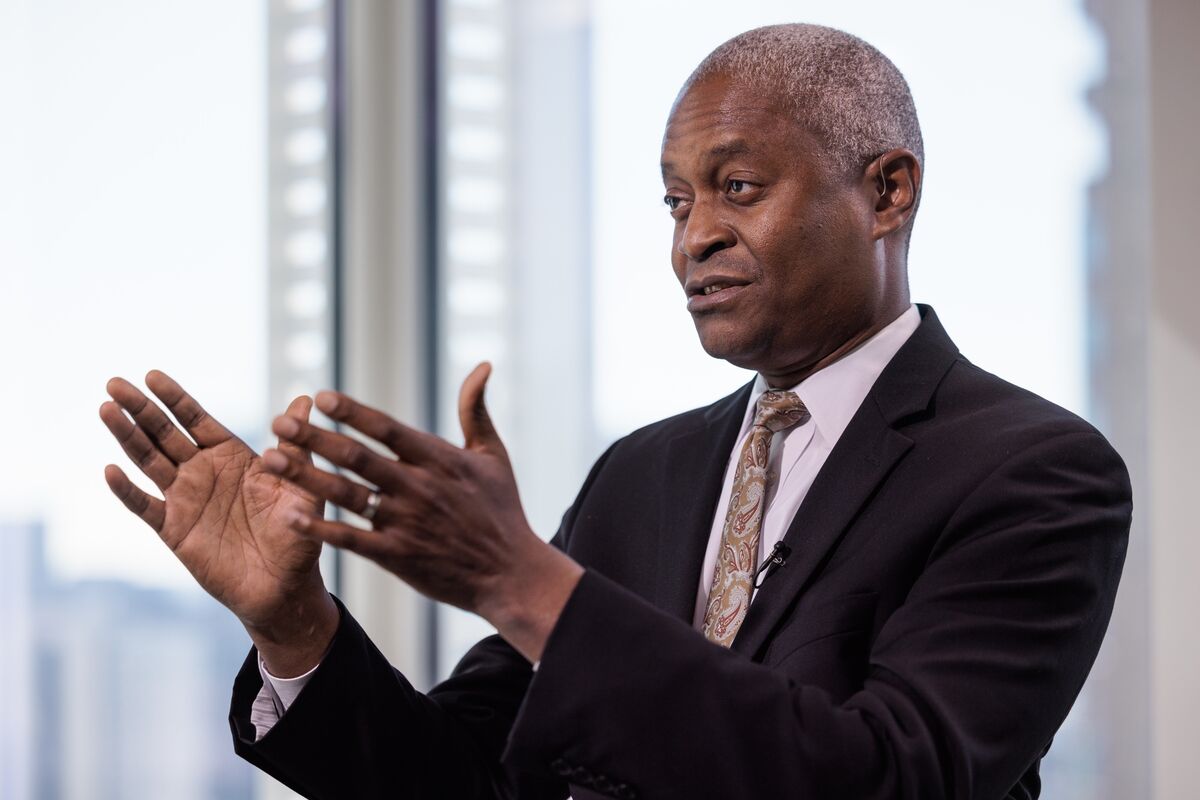
Atlanta Fed President Raphael Bostic stated that tariffs might cause a slow, incremental, and persistent upward pressure on inflation, rather than a one-time price adjustment. This view suggests a risk of tariffs embedding into consumer and business expectations, potentially prolonging inflationary trends and impacting monetary policy considerations.
Federal Reserve Bank of Atlanta President Raphael Bostic has introduced a significant nuance to the discussion on tariffs and inflation, suggesting their impact may manifest as a slow, persistent upward pressure on prices rather than a one-time shock. This viewpoint, articulated with a cautious tone and registering as moderately negative in sentiment (-0.55), challenges conventional assumptions about cost pass-through. Bostic's concern centers on the psychological risk of this gradual price creep becoming embedded in the expectations of consumers and business leaders, which could prolong inflationary trends. This scenario complicates the monetary policy outlook for the Federal Reserve, as a persistent, incremental source of inflation is more difficult to manage than a temporary spike and could act as a structural headwind against achieving the central bank's price stability goals.
AI-powered research, real-time alerts, and portfolio analytics for institutional investors.
Request DemoOverall Sentiment
moderately negative
Sentiment Score
-0.55
