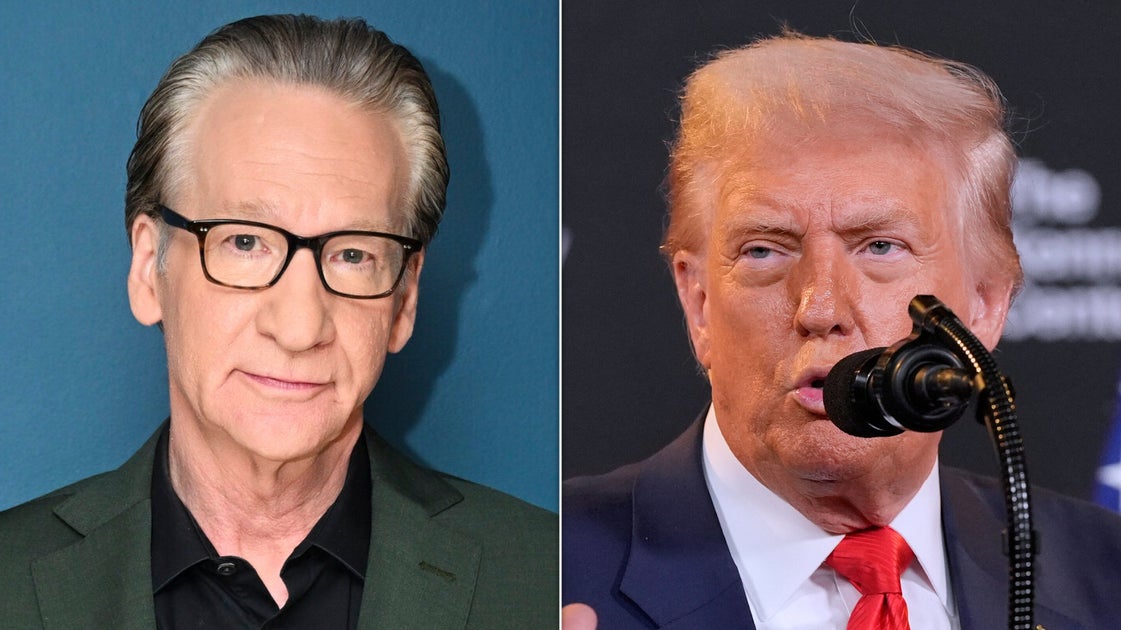
The article centers on ongoing U.S.-Iran conflict commentary, with Bill Maher criticizing President Trump’s claims that the war is already won despite a ceasefire still lacking results and the Strait of Hormuz remaining closed. The situation has implications for oil flows, since roughly one-fifth of global crude passes through Hormuz, creating a meaningful energy and geopolitical risk premium. The piece is mainly political commentary, but the underlying U.S.-Iran standoff could affect energy markets, shipping, and defense sentiment.
The market implication is less about the headline rhetoric and more about regime uncertainty: when leadership keeps redefining whether the conflict is a war, operation, or negotiation, it raises the probability of policy whiplash and lowers the credibility of any ceasefire timeline. That tends to support a higher volatility term structure in energy and defense, because the tail risk is not just renewed strikes but an abrupt diplomatic breakthrough that collapses risk premia just as fast. The immediate beneficiaries are not the obvious headline names, but operators with optionality on shipping disruption and inventory repricing.
The second-order effect is on the Strait of Hormuz risk premium. Even a partial closure or harassment campaign can tighten seaborne flows and force refiners, tanker operators, and LNG logistics to reroute, creating a short-lived but tradable dislocation in freight, crack spreads, and regional differentials. If the ceasefire drifts without a durable settlement, the market may continue to underprice the probability of intermittent supply shocks over the next 2-8 weeks.
Contrarian view: the consensus may be overestimating the permanence of the current tension. Once physical exports normalize or rhetoric de-escalates, the geopolitical premium can unwind quickly, especially if positioning has crowded into energy and defense. That makes this a classic event-driven setup where the right expression is not outright beta long, but convexity around the next catalyst window: either a breach in the truce or a verified reopening of flows.
From a domestic politics angle, the messaging gap matters because it can constrain future policy flexibility. If the narrative of "victory" is too hard to unwind, the administration may be forced into performative escalation to preserve credibility, which is a non-linear risk for assets sensitive to Middle East headlines. That favors optionality over delta, and favors trades that monetize realized volatility rather than direction.
AI-powered research, real-time alerts, and portfolio analytics for institutional investors.
Request DemoOverall Sentiment
mildly negative
Sentiment Score
-0.15
