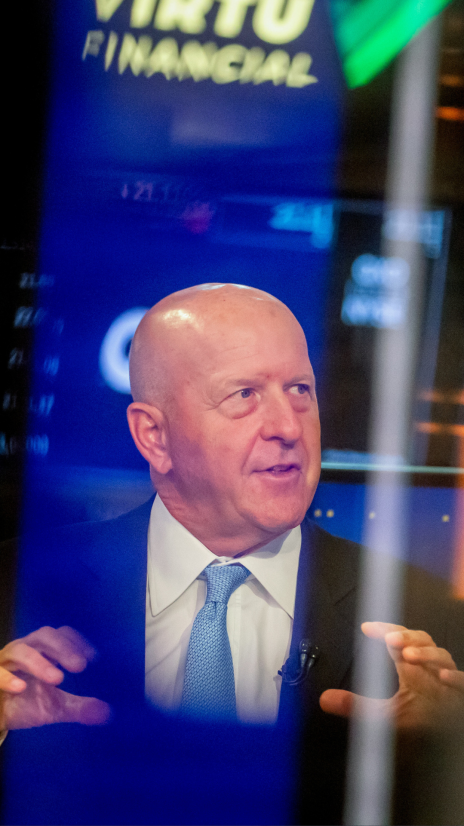
Bloomberg Opinion columnist Paul Davies highlights a significant resurgence for Goldman Sachs, suggesting a vindication for CEO David Solomon after the bank faced prior criticism regarding its consumer banking venture. This indicates a strong operational turnaround and improved strategic positioning for the firm under Solomon's leadership.
A Bloomberg Opinion piece highlights a significant positive shift in the perception of Goldman Sachs (GS) and its CEO, David Solomon. The narrative suggests a vindication for Solomon's leadership following substantial criticism over the firm's previous strategic foray into consumer banking. According to columnist Paul Davies, the bank is now perceived as being "back in a big way," indicating a successful operational turnaround or a strategic realignment that is yielding strong results. This perspective is reinforced by a highly positive sentiment score of 0.8 for the ticker, pointing to a robust recovery in investor confidence centered on the firm's management and fundamental performance.
AI-powered research, real-time alerts, and portfolio analytics for institutional investors.
Request DemoOverall Sentiment
strongly positive
Sentiment Score
0.65
Ticker Sentiment
