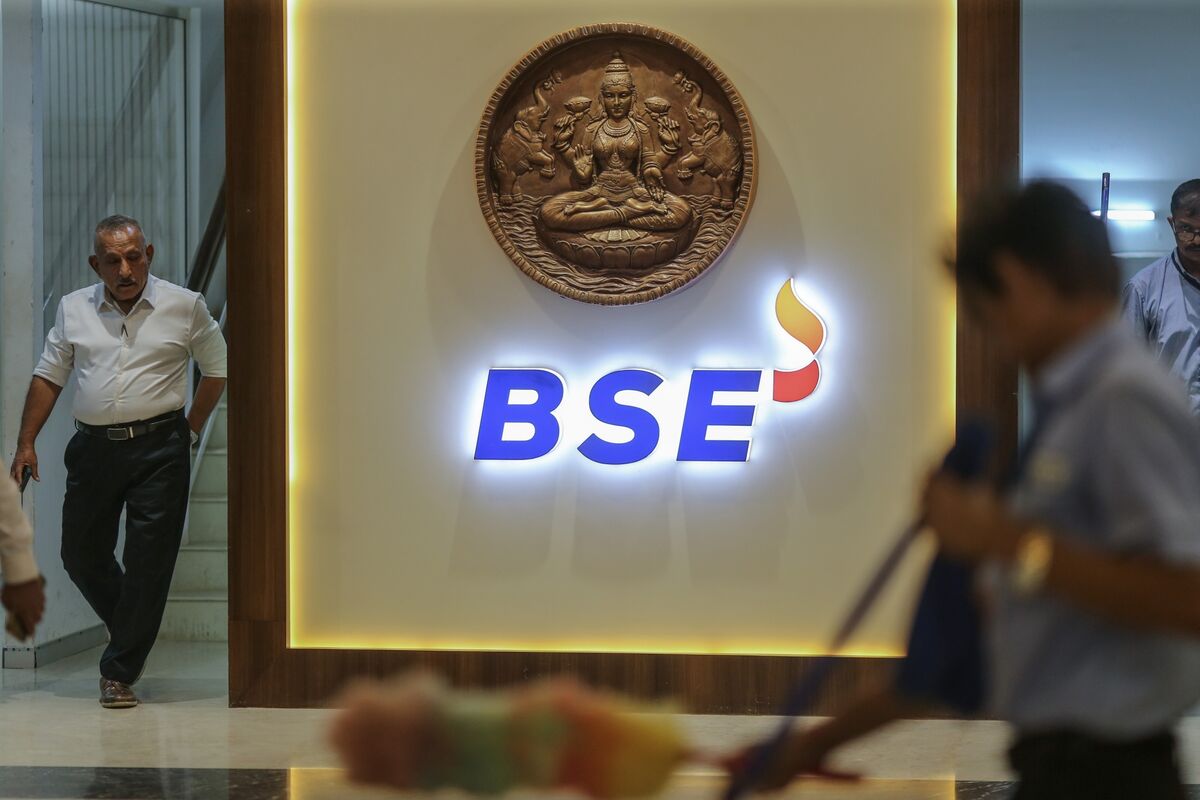
BSE Index Services launched the BSE Saatvik 100 Index, a new benchmark that selects stocks from India's top 500 listed companies based on "saatvik" ethical and cultural principles. The product expands BSE's index lineup and gives investors another values-based allocation option. The news is directionally positive for ethical investing, but the immediate market impact appears limited.
This is less about immediate flow and more about product architecture: a culturally screened index creates a new wrapper for domestic “values” capital, especially among retail SIPs, family offices, and faith-aligned institutions that have been underpenetrated in India’s passive market. The first-order winner is BSE’s index/licensing franchise; the second-order winner is any asset manager that can launch low-cost tracking products quickly, because index launches often matter more for ETF/foF uptake than for benchmark-sensitive active managers. If adoption is real, the basket may skew toward quality balance-sheet names with clean governance and limited controversy, which tends to make the screen behave like a lower-volatility, higher-multiple factor portfolio rather than a pure thematic ESG trade.
The competitive dynamic to watch is whether this becomes a distribution channel for domestic savings rather than a pure branding exercise. If banks and wealth platforms push systematic allocations into the new index, the flow effect could be sticky and self-reinforcing over 6-18 months, compressing valuation spreads for eligible large caps versus excluded peers. That said, the biggest risk is implementation drift: if the methodology is seen as arbitrary or too constrained, product launches will be shallow and the index will become a niche benchmark with limited AUM, in which case any rerating would fade within weeks.
The contrarian view is that investors may be overestimating how much “ethical” branding can move Indian equities without a scalable wrapper. The real P&L is not in the index itself but in whoever can package it into ETF, PMS, or insurance-linked products with institutional distribution. If the screen ends up tilting toward already-expensive large caps, the trade could simply be a slightly more crowded quality basket, meaning alpha will likely come from relative valuation rather than outright exposure.
AI-powered research, real-time alerts, and portfolio analytics for institutional investors.
Request DemoOverall Sentiment
mildly positive
Sentiment Score
0.20
