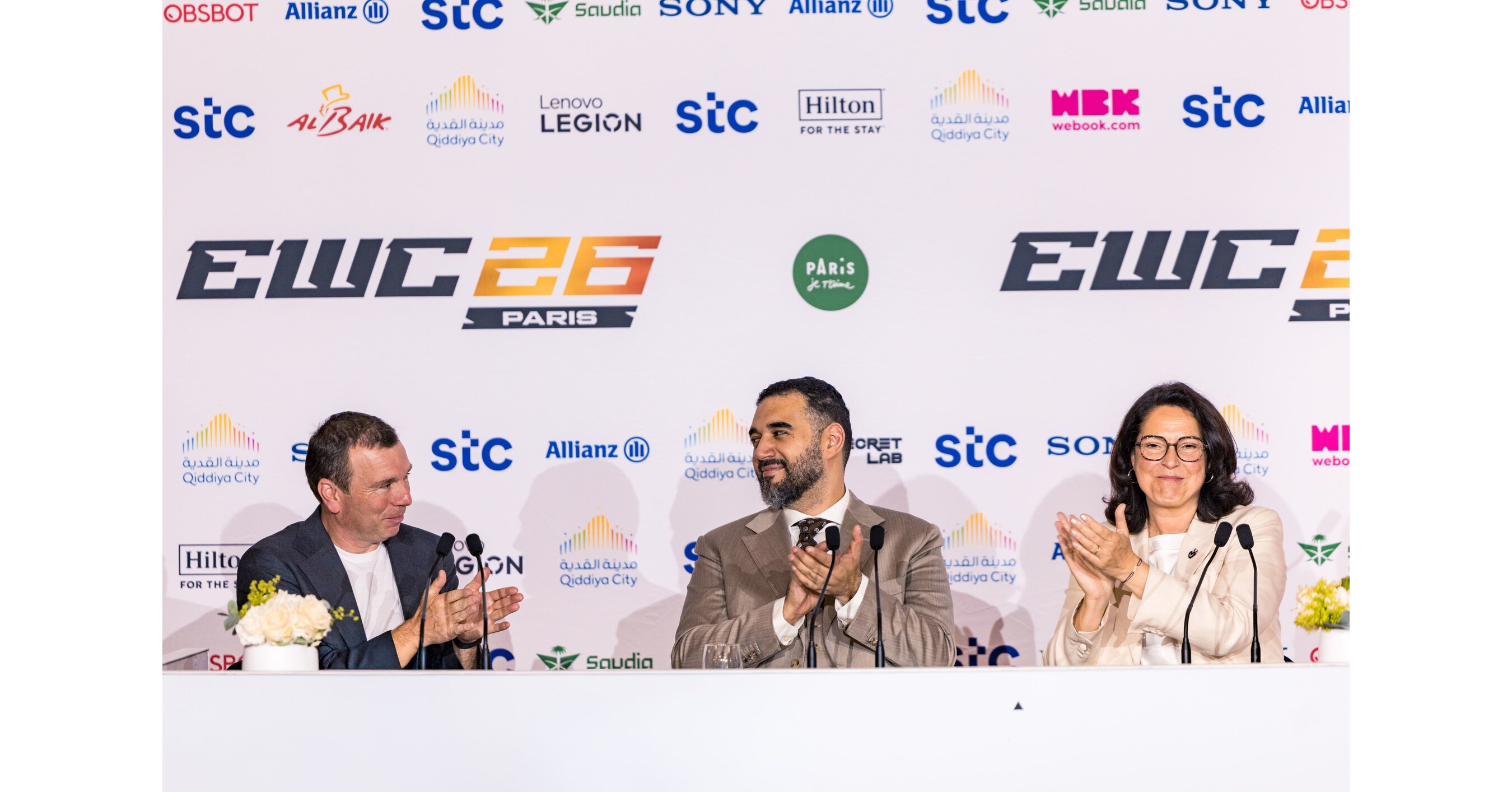
Esports World Cup 2026 opens in Paris with 2,000+ players across 200 clubs from 100+ countries competing in 25 tournaments for a record $75M prize pool. The event follows Road to EWC qualification involving 1.5M+ participants and features a 42% YoY increase to 5,000 official co-streamers, with 7,000+ hours of live content planned. EWC is also expanding mainstream and OTT distribution through partners such as DAZN, FOX Sports, France Télévisions, and Tencent Video (China VOD), reflecting continued growth in esports as a global entertainment platform.
This is mostly a sentiment and engagement event, not an immediate earnings event. The tradable edge is in who captures incremental watch time and sponsor attention: BILI is best positioned because esports monetization is driven by community, creator distribution, and repeated session length rather than linear broadcast alone. DOYU and HUYA get some lift from gaming fandom, but if traffic is routed through broader platforms and third-party broadcasts, the monetization accrues elsewhere and the pure-play live-streaming model still faces ARPU pressure.
The key catalyst window is 1-3 months, when July/August audience data and Q3 platform metrics should show whether the event actually lifts gaming hours, ad load, or paying user conversion. If viewership is high but monetization stays flat, the market should fade the move: sponsors and rights holders get brand value, but equity holders do not get durable EPS revision. Over 6-18 months, this only becomes structurally bullish if esports proves it can produce repeatable annual inventory with measurable conversion, not just one-off cultural reach.
Contrarian view: the market may be overpricing global broadcast scale as if it automatically maps to Chinese platform revenue. Cross-border exposure is useful for brand building, but the financial upside is constrained unless management can show retention and monetization in domestic user cohorts. The second-order winner is the creator/distribution stack; the loser is any platform whose growth depends on passive viewing rather than social, interactive consumption. SONY’s benefit is mostly ecosystem halo, not a near-term P&L driver.
AI-powered research, real-time alerts, and portfolio analytics for institutional investors.
Overall Sentiment
mildly positive
Sentiment Score
0.25
Ticker Sentiment
