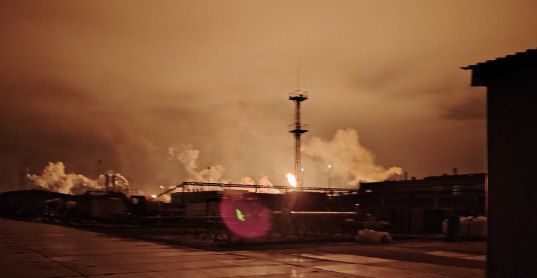
Ukrainian drones conducted significant attacks on key Russian energy infrastructure, striking a major Lukoil oil refinery in Nizhny Novgorod, which supplies a substantial portion of Moscow's gasoline, and a petrochemical plant in Bashkortostan critical for aviation fuel production. These strikes, occurring while the refinery was undergoing repairs, underscore Ukraine's escalating strategy to disrupt Russia's war economy by targeting its fossil fuel industry, potentially impacting domestic energy supply and industrial capacity.
Ukrainian drones conducted significant attacks on critical Russian energy infrastructure, including a major Lukoil oil refinery in Nizhny Novgorod and a petrochemical plant in Bashkortostan. The Lukoil refinery, processing 17 million tons of crude annually and supplying 30% of Moscow's gasoline, was reportedly struck during repairs, while the Bashkortostan plant, a key aviation kerosene component manufacturer, sustained "significant damage."
These coordinated strikes highlight Ukraine's escalating strategy to disrupt Russia's war economy by targeting its fossil fuel industry, which Kyiv considers a primary funding source. The attacks deep within Russian territory signal an intent to impair domestic energy supply and industrial capacity, potentially exacerbating operational disruptions at already vulnerable facilities.
The damage to these key refining and petrochemical assets could lead to localized fuel shortages, particularly in the Moscow region, and impact the supply chain for aviation fuel components. This situation is likely to increase the geopolitical risk premium on energy commodities, signaling growing supply-side vulnerabilities in a major global energy producer.
AI-powered research, real-time alerts, and portfolio analytics for institutional investors.
Overall Sentiment
strongly negative
Sentiment Score
-0.75
