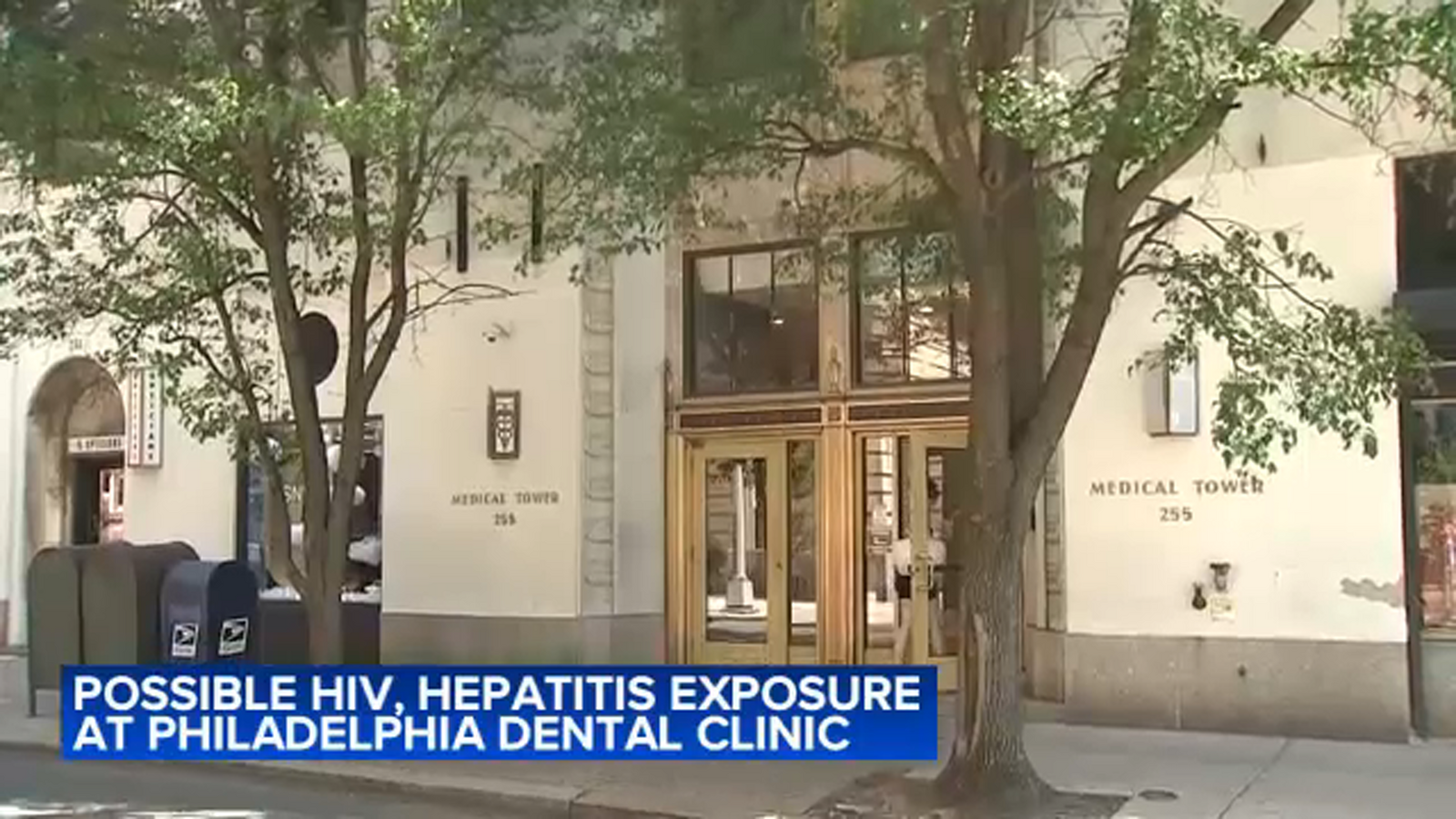
Philadelphia health officials suspended Dr. Kirti Chopra’s dentistry license and closed Smiles at Rittenhouse Square after identifying unsafe infection-control practices, including reuse of single-use anesthetic vials and improper saline handling. Patients treated at the clinic between April 2025 and May 2026 are being notified and advised to seek testing for hepatitis B, hepatitis C, and HIV. The city says infection risk is low and no infections have been confirmed, but a preliminary hearing is scheduled for next month.
This is less a macro healthcare event than a micro-credibility shock to outpatient dental care, where trust and compliance are effectively part of the product. The immediate economic damage is concentrated: the clinic likely goes to zero revenue for months, while adjacent private practices in affluent urban submarkets can see a short-lived patient transfer benefit as fearful patients rebook elsewhere. The more important second-order effect is reputational spillover across the broader dental-services channel, where patients may defer elective procedures until they perceive a stronger reassurance layer from providers.
The liability overhang could extend well beyond the suspension window because infection-control failures create a tail-risk structure that is asymmetric: low probability of confirmed harm, but very high severity if any positive cases emerge. Even absent infections, the administrative burden of patient notification, testing, re-training, and possible remediation can keep the matter in the headlines for weeks to months, with a second catalyst at the preliminary hearing. If regulators expand the scope of review, the issue shifts from a single-practice event to a governance signal for small-provider oversight, which could tighten standards and increase compliance costs across independent dental groups.
Consensus is likely to underprice the behavioral impact versus the legal one. The market usually focuses on direct malpractice exposure, but the bigger second-order effect is demand elasticity: patients who already postponed care may delay further, while new patients choose larger groups or hospital-affiliated clinics perceived as operationally safer. That creates a relative winner set among scaled dental platforms and staffing/compliance vendors, while lone-practitioner offices face higher churn and higher insurance friction over the next 1-2 quarters.
AI-powered research, real-time alerts, and portfolio analytics for institutional investors.
Request DemoOverall Sentiment
strongly negative
Sentiment Score
-0.60
