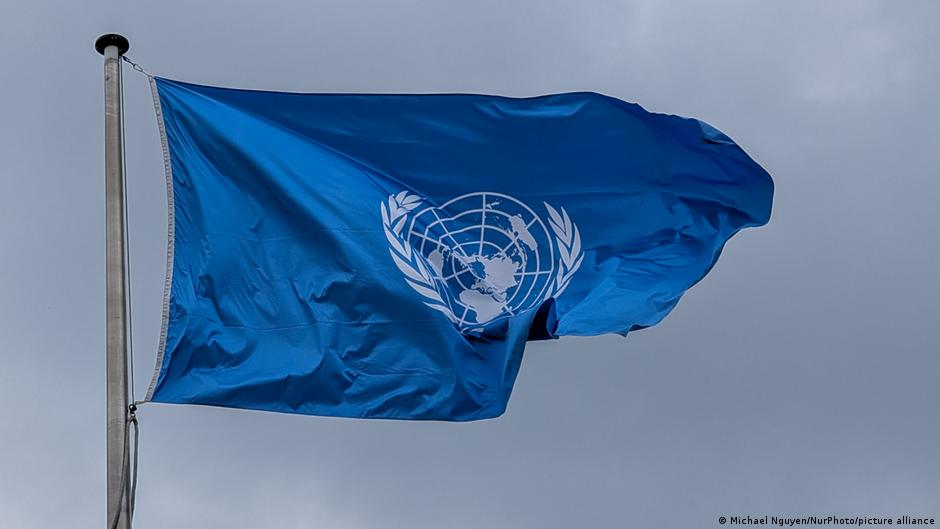
The UN added Israeli and Russian security forces to its conflict-related sexual violence blacklist for the first time, citing documented patterns involving Israeli forces and 310 verified cases tied to Russian forces in Ukraine. The report covers 77 state and non-state actors across a dozen countries and says cases rose sharply in 2025 versus 2024. Both Israel and Russia rejected the allegations, making the story materially negative for geopolitical risk sentiment.
The immediate market read-through is not about direct revenue impact on NYT so much as second-order demand for the company’s conflict and accountability journalism: this kind of coverage can modestly support engagement, subscriptions, and newsroom relevance at a time when bundled media products are fighting churn. That said, the bigger issue is legal/reputational spillover for governments and institutions named in multilateral findings; once a pattern is formalized in a UN process, it raises the odds of follow-on NGO, ICC-adjacent, and parliamentary scrutiny over the next 3-12 months, increasing operating friction for state entities, contractors, and adjacent vendors.
For defense and infrastructure names with exposure to Israeli or Russian public-sector procurement, the risk is not a sudden order cancellation but a slower layering of compliance screens, ESG exclusions, and procurement delays. That tends to hit small-cap subcontractors and software/cyber vendors first because they have less pricing power and fewer alternate buyers; large primes are better insulated but could face wider bid-approval cycles and headline discounting if more allegations surface. The second-order winner is third-party verification, sanctions-compliance, and litigation-support services, which usually see demand rise when geopolitical allegations become document-driven and repeatable.
The contrarian view is that headline saturation may cap incremental downside for broad market indices: these events rarely move large-cap fundamentals unless they trigger new sanctions or aid constraints. The more tradable edge is timing—the next catalyst is not the article itself but whether additional investigative reporting or UN access restrictions create a fresh evidence cascade over the next 1-2 quarters. If that happens, sentiment on Israel-exposed assets can gap faster than fundamentals would justify, creating a short-window opportunity rather than a multi-year macro trade.
AI-powered research, real-time alerts, and portfolio analytics for institutional investors.
Request DemoOverall Sentiment
strongly negative
Sentiment Score
-0.80
Ticker Sentiment
