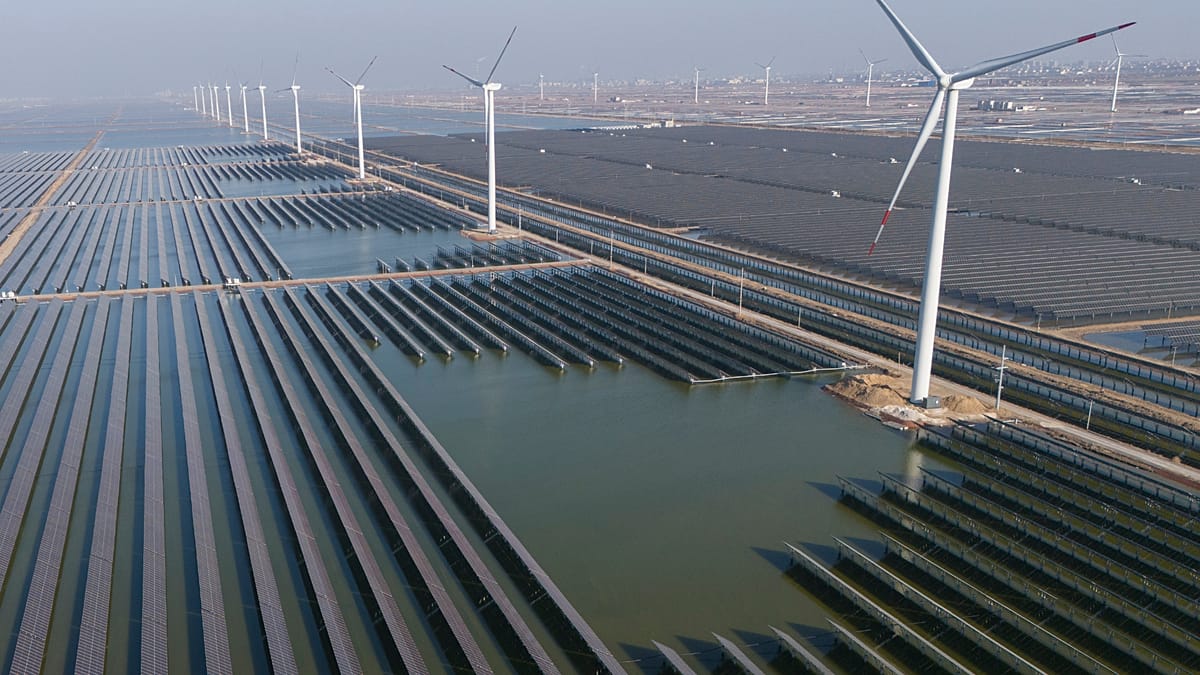
The Strait of Hormuz disruption threatens roughly 20% of global oil and LNG flows, jolting energy markets, lifting prices and straining import-dependent economies. Renewables have provided tangible insulation: >90% of new 2024 renewable projects were cheaper than fossil alternatives, China has ~18% renewables vs Japan/India ~11%, and Pakistan's solar boom has avoided >$12bn of fossil imports since 2020 and could save ~$6.3bn in 2026. Low-income, import-dependent countries (e.g., Benin, Zambia, Bangladesh, Thailand) face acute inflation and FX stress, while many rich countries have temporarily increased fossil spending (Europe’s extra fossil spend ≈40% of the clean-transition investment need).
The immediate market reaction to a supply shock focused on seaborne hydrocarbons should be read through two vectors: near-term fuel substitution and multi-year capex reallocation. In the coming weeks to months, buyers will scramble for LNG and oil cargos, transferring purchasing power to large, capital-rich buyers (China/India/Europe) and pushing up spot premia; this dynamic amplifies shipping, storage and short‑dated logistics margins while compressing margin for users with fixed FX or foreign‑exchange constraints.
Over a 12–36 month horizon the more durable effect is fiscal and balance‑sheet: countries that can cut import bills via domestic wind/solar free up reserves and reduce sovereign external vulnerability, which lowers refinancing risk and raises the odds of investment‑grade stabilisation for marginal sovereigns. That reweights credit‑sensitive assets (local banks, utilities) toward a lower‑cost-of‑capital regime if renewables scale rapidly, but it also shifts demand upstream into specific commodity chains — copper, polysilicon, inverters and long‑duration storage — creating concentrated supply bottlenecks and pricing power for manufacturers.
Key reversal risks are short and blunt: a diplomatic de‑escalation or coordinated reserve release can normalize fuel prices within 30–90 days, collapsing the spot premia that underpin many tactical trades. Conversely, sustained conflict beyond a quarter will accelerate structural energy policy shifts (accelerated renewables procurement, domestic manufacturing incentives) and entrench winners among grid operators and long‑cycle miners while leaving importers and feedstock‑intensive industries exposed to persistent margin stress.
AI-powered research, real-time alerts, and portfolio analytics for institutional investors.
Request DemoOverall Sentiment
mixed
Sentiment Score
-0.15
