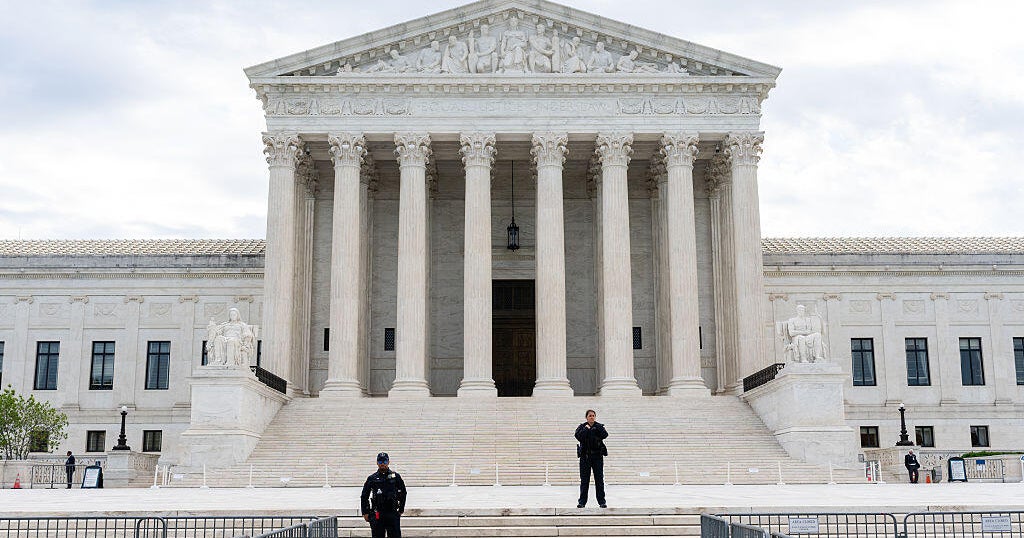
The Supreme Court ruled 5-4 in favor of Mississippi death row inmate Terry Pitchford, finding that his Batson racial-bias challenge to jury selection was mishandled and invalidating his conviction. The case is narrow and specific to Pitchford, who can be retried by the state. The decision is a notable legal precedent on jury selection but has minimal direct market impact.
This is less a one-off criminal-law headline than another data point that the Court is tightening the enforcement edge around procedural fairness in capital cases. The second-order effect is slower, costlier, and more appeal-heavy death-penalty litigation in states with weak record-building practices, which raises expected cash outlays for AG offices and increases the odds that prosecutors become more conservative in jury strikes in high-salience cases.
The bigger market angle is reputational and political, not direct equity exposure: jurisdictions with histories of aggressive jury selection now face incrementally higher reversal risk, especially where the same prosecutors or offices are tied to prior Batson disputes. That creates a modest but real tailwind for legal-services firms, post-conviction counsel, and innocence-project style nonprofits, while making “tough-on-crime” local political messaging more vulnerable when cases are retried or delayed.
The contrarian read is that the ruling may be narrower than the headline suggests, so broad systemic change is likely overhyped. But even a narrow decision matters because it reinforces that procedural sloppiness can unwind otherwise durable convictions years later; that tends to shift behavior at the margin. Over months to years, the most important effect is deterrence: prosecutors will spend more time documenting strike reasons and building cleaner records, which reduces the chance of easy reversals but increases trial friction and duration.
For public markets, the direct tradeable impact is minimal, so the right stance is to avoid forcing a thematic expression. If anything, this slightly supports a small long in large-cap legal-services/process outsourcing names that benefit from more complex litigation workflows, but only on weakness and only as a basket trade rather than a single-name call.
AI-powered research, real-time alerts, and portfolio analytics for institutional investors.
Request TrialOverall Sentiment
neutral
Sentiment Score
0.00
