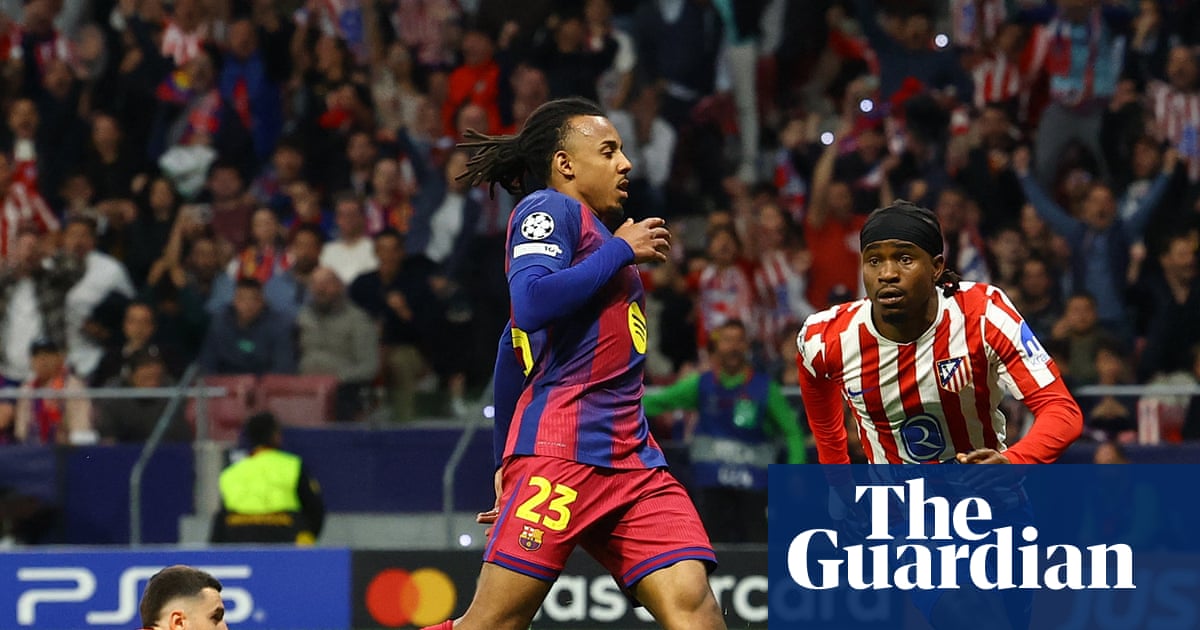
Atlético Madrid advanced to the Champions League semi-finals, winning 2-1 in the second leg and 3-2 on aggregate after eliminating Barcelona. The match featured an early Barcelona lead, an Atlético response through Ademola Lookman, and a late red card for Eric García that helped the home side hold on. This is a sports result with no meaningful market impact.
This result is a modest but real brand-positive for Atlético’s commercial engine, not a balance-sheet event. A deep Champions League run typically lifts global visibility, premium sponsorship inventory, and matchday demand for a club that monetizes scarcity better than most European peers; the second-order winner is Spain’s broader football content ecosystem, which benefits from higher international viewership and better rights pricing at the margin.
The bigger market implication is for Barcelona’s media and sponsorship narrative: a high-drama exit does not kill demand, but it reinforces that the club’s near-term equity story is still dependent on event risk rather than stable operating execution. That raises the probability of sharper sentiment swings around each knockout round, which is good for media monetization but bad for underwriting confidence if on-field volatility translates into uneven commercial renewal power over the next 6-12 months.
On the travel side, the European football calendar continues to be a reliable short-horizon demand catalyst for urban hospitality, rail, and low-cost carriers around major matchdays, but only around the margins. The real tradeable signal is not the single match; it is that elite football remains one of the few live-sports formats still capable of pulling incremental premium spend and international trip-planning, supporting pricing power for city-break operators into the spring and early summer.
Contrarian angle: the market often overprices the idea that a single knockout win creates lasting franchise value. In reality, the monetization lift is usually front-loaded into the next 1-2 quarters via merch, social engagement, and hospitality, then mean-reverts unless converted into deeper tournament progression or domestic title contention. The better setup is to fade any excessive extrapolation after the emotional spike and use it to position into the next scheduling catalyst, not to chase the headline.
AI-powered research, real-time alerts, and portfolio analytics for institutional investors.
Request TrialOverall Sentiment
mildly positive
Sentiment Score
0.15
