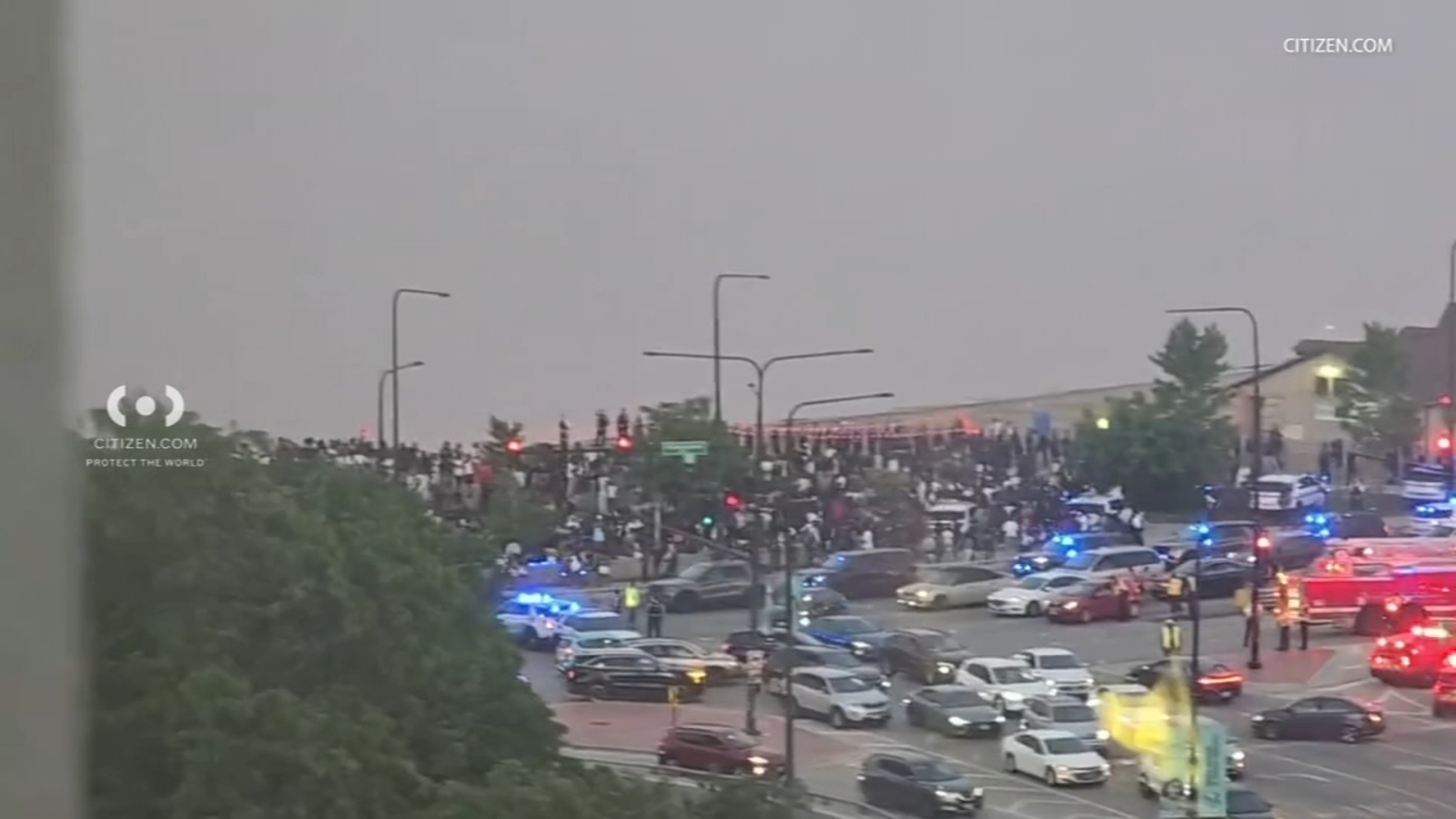
Hundreds of people gathered near 57th Street Beach and North Avenue Beach in Chicago, prompting a large police response and traffic disruptions on DuSable Lake Shore Drive. Authorities shut part of the drive temporarily and advised drivers to use alternate routes. Police had not immediately confirmed injuries or provided further details.
This is a localized but important shock to late-night urban mobility, not a tourism demand story by itself. The first-order effect is on short-duration traffic friction around the lakefront; the second-order effect is higher perceived security risk that can alter discretionary routing behavior for weekend evening events, rideshare utilization, and adjacent hospitality foot traffic. Any revenue impact should show up fastest in operators with heavy Chicago exposure and narrow time-window demand sensitivity rather than in broad travel/leisure names.
The more interesting read-through is on municipal operating costs and the probability of repeat incidents. These events tend to force incremental overtime, traffic control, and transit coordination with little offsetting revenue, so the burden lands on city budgets and can become politically visible if it clusters over several weekends. If repetition continues, the impact can extend from a one-night mobility disruption to a measurable drag on lakefront activity, restaurant reservations, and nightlife-adjacent spend over a 2-6 week horizon.
For markets, the setup is asymmetric because the downside is mostly sentiment-driven unless it escalates into persistent disorder. The key catalyst is recurrence: one-off incidents usually fade quickly, but repeated scenes near iconic leisure corridors can shift consumer routing and local media narrative, creating a small but real headwind for urban experiential demand. Conversely, a visible law-enforcement response that restores order quickly would cap the impact and make this a non-event beyond one or two trading sessions.
The contrarian point is that investors may overestimate structural damage from a news cycle that is operationally messy but economically contained. In the absence of injuries, property damage, or a sustained pattern across multiple venues, the more durable effect is likely incremental cost rather than revenue destruction. That argues for treating any selloff in Chicago-exposed leisure or mobility names as a fade unless a second incident confirms persistence.
AI-powered research, real-time alerts, and portfolio analytics for institutional investors.
Request DemoOverall Sentiment
neutral
Sentiment Score
-0.10
