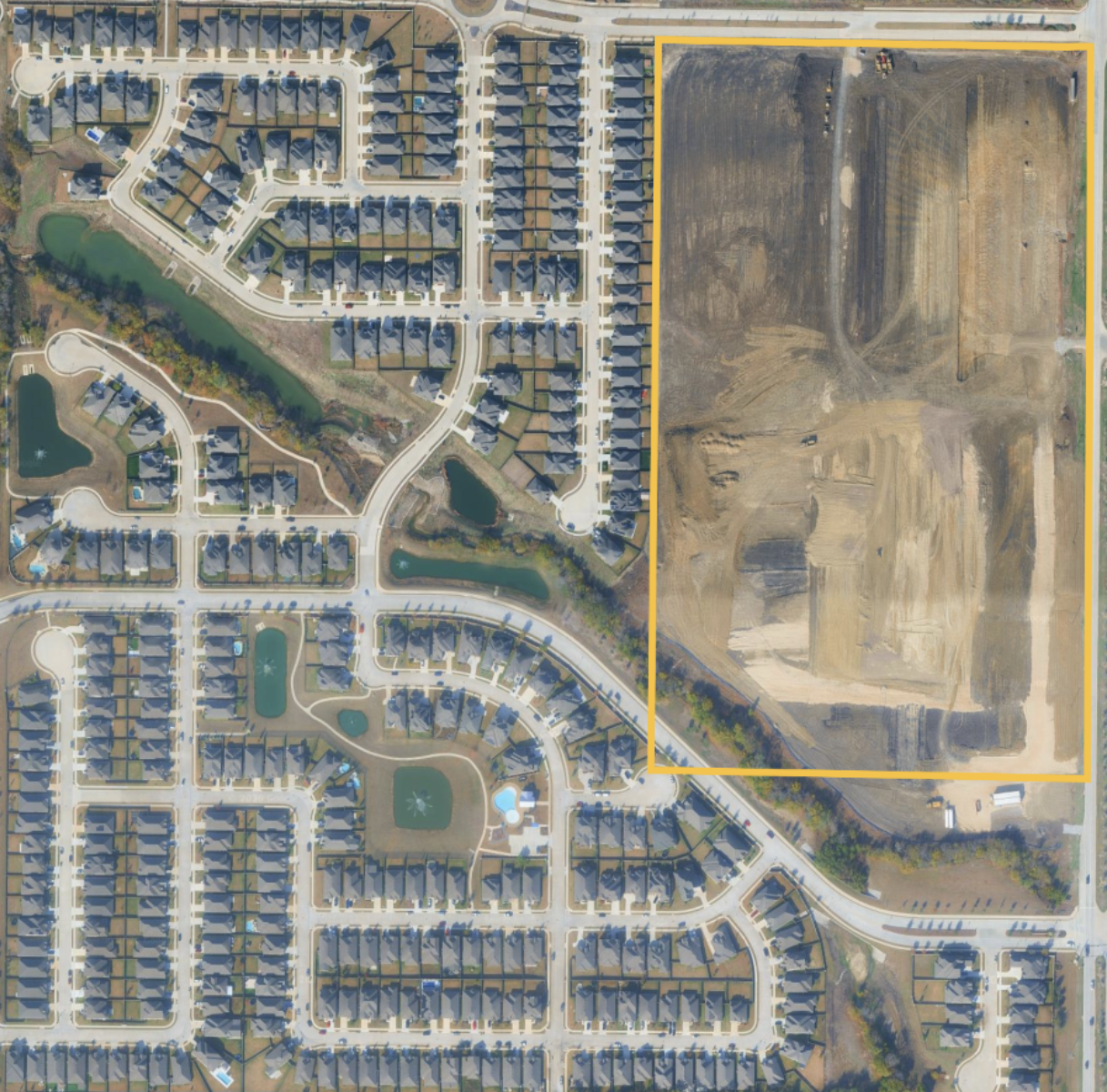
Google announced three Maps Platform and Earth AI updates: Street View-grounded image generation, BigQuery-based aerial and satellite image analysis, and experimental pre-trained models for bridges, roads, and power lines. The most relevant near-term use case is AI-assisted change detection and infrastructure monitoring, which could compress weeks of manual imagery review into minutes for city planners, utilities, and surveying firms. While the tools are still in private preview or experimental status, they point to a meaningful shift in geospatial workflow automation.
GOOGL is quietly moving from “maps as a product” toward “maps as an enterprise workflow layer,” which matters more than the headline creative use cases. The second-order effect is not just better imagery tooling; it is tighter integration of location intelligence into cloud data stacks, which should increase switching costs for enterprise customers already using BigQuery/GIS pipelines. Over 6-18 months, that can marginally improve cloud attach rates and make Maps Platform less of a standalone monetization story and more of a retention wedge against AWS/Azure at the enterprise edge.
The immediate competitive pressure falls on small and mid-sized geospatial vendors selling labor-heavy change detection, construction monitoring, and post-event assessment. Their moat is less the model itself than the combination of imagery access, domain QA, and workflow integration; once foundation models reduce first-pass review time, pricing power shifts toward the platform owner. The likely second-order loser is not necessarily incumbent GIS software, but the services layer around manual image interpretation, where billable hours are most exposed and gross margins can compress quickly if customers accept “good enough” automated triage.
The market may be underestimating how much this reinforces Google’s defense of its broader cloud franchise rather than creating a near-term revenue spike. Near-term monetization is probably modest because preview/experimental status and enterprise procurement friction limit adoption in the next 1-2 quarters. The real catalyst is productization: if these tools become generally available at usable price points over the next 2-4 quarters, expect higher enterprise workload migration and some incremental share capture in geospatial-heavy public sector and infrastructure accounts. A credible reversal would be if accuracy/provenance issues trigger regulatory or procurement resistance, especially in government workflows where explainability and auditability matter more than speed.
AI-powered research, real-time alerts, and portfolio analytics for institutional investors.
Request TrialOverall Sentiment
mildly positive
Sentiment Score
0.25
Ticker Sentiment
