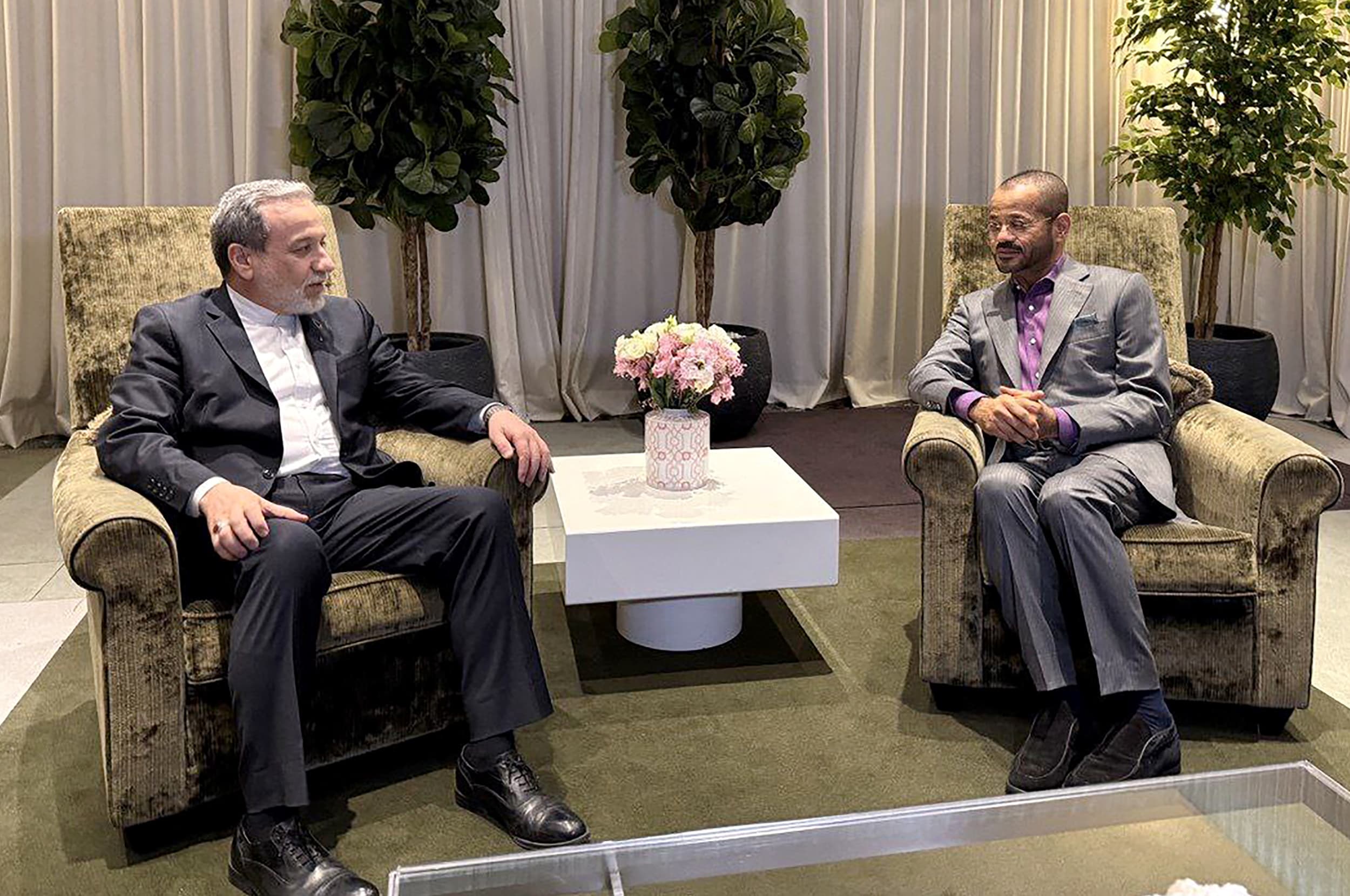
U.S. and Iranian officials held tense, Omani-mediated nuclear talks in Geneva with Oman’s foreign minister reporting “significant progress” and technical discussions slated to begin next week in Vienna, even as substantial U.S. military assets remain positioned in the region. The U.S. delegation included special envoy Steve Witkoff and Jared Kushner; President Trump reiterated willingness to use force to prevent Iran acquiring nuclear weapons while Iran’s foreign minister stressed diplomacy as the only solution. The combination of ongoing diplomacy and continuing military preparedness leaves elevated geopolitical risk that could drive short-term volatility in energy and defense sectors despite a potential de-escalatory path via talks.
Market structure: Near-term winners are large defense primes (RTX, LMT, GD, NOC) and oil producers (XOM, CVX) as risk premia and insurance/shipping costs rise; losers are airlines (AAL, UAL, DAL), tourism/hospitality names and EM-sensitive exporters. Pricing power shifts to energy exporters and defense contractors able to capture surge procurement; airline unit revenues face immediate downside from rerouting, strikes and higher fuel. Cross-asset: expect USD safe‑haven strength, T‑bond rallies (yields down 10–30bp), higher implied equity volatility and directional commodity moves (Brent/WTI +10–20% in shock scenarios).
Risk assessment: Tail events include a kinetic strike that triggers a sustained oil shock (Brent +25–40% -> $100–120) and a global equity drawdown of 8–15%; sanctions/shipping closures could persist months. Time horizons: days — headline-driven volatility; weeks — Brent and defense rerating; quarters — supply realignments and longer-term defense budgets. Hidden dependencies include insurance premiums, tanker re-routing costs, fertilizer/agri supply chains and secondary sanctions on counterparties. Catalysts: Iran’s written proposal (expected within 7–14 days), US strike authorization, and third‑party mediation from EU/China.
Trade implications: Tactical trades favor 1–3% long exposure to defense names and oil with explicit entry/exit triggers, paired with short positions in airlines. Options: buy 30–90 day VIX or SPY protection and 2–6 month call spreads on RTX/LMT or XOM to limit premium decay. Sector rotation: shift 3–6% from consumer discretionary and small caps into defense/energy; scale in across 48–72 hours around confirmed escalation signals.
Contrarian angles: The market may overprice persistent escalation—diplomacy could deflate volatility quickly (historical parallels: 2019 tanker incidents saw short-lived oil spikes). Defense rerating may be front‑loaded; prefer option overlays or pair trades (long RTX, short small-cap defense suppliers with weak backlog). Unintended consequence: aggressive hedging could compress liquidity in options and widen bid/asks—avoid oversized directional bets without volatility hedges.
AI-powered research, real-time alerts, and portfolio analytics for institutional investors.
Request TrialOverall Sentiment
moderately negative
Sentiment Score
-0.45
