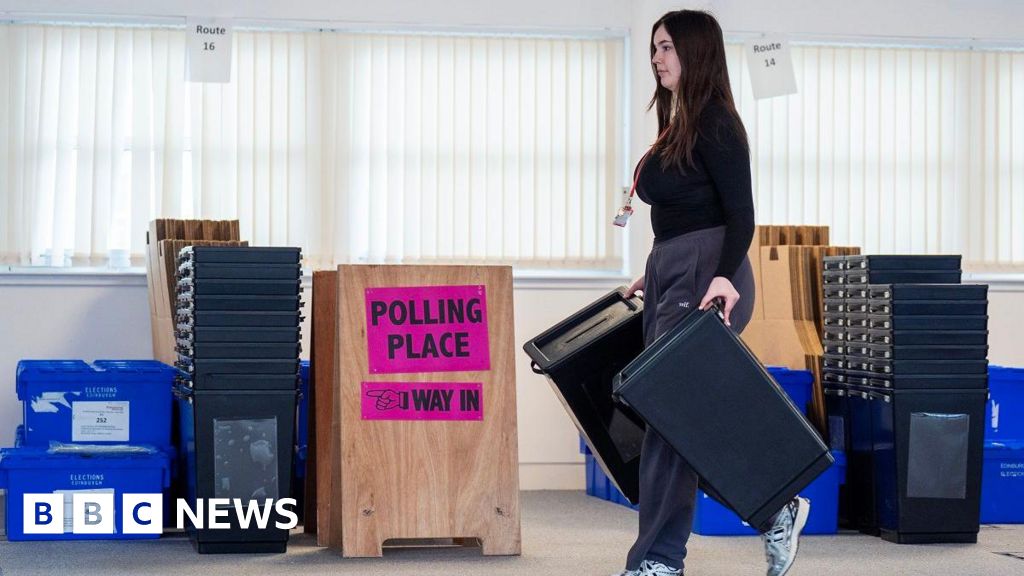
Millions across England, Scotland and Wales will vote in the largest set of UK polls since the 2024 general election, with all 129 Scottish Parliament seats, 92 Senedd seats and about 5,000 councillor roles at stake. The results will shape control of devolved governments and local services, but the article is informational rather than market-specific and implies no immediate financial catalyst.
The immediate market read-through is less about the headline vote count and more about policy optionality over the next 6-18 months. A fragmented result across the devolved legislatures and English councils would weaken the probability of clean fiscal announcements, which matters because local and regional authorities are already operating with tight balance sheets and high wage/pension sensitivity. The second-order effect is slower procurement and capex cadence in areas exposed to public sector demand: outsourcing, waste, transport, housing maintenance, and local infrastructure.
The key risk is not a dramatic policy pivot on day one, but a sequencing problem for the governing party: weaker-than-expected results can force a more defensive stance on tax, spending, and public-sector reform just as the market is looking for evidence of execution. That tends to show up first in sectors with budget dependence and long-duration backlog exposure, where contract awards can slip by 1-2 quarters before analysts mark it down. Conversely, if one party consolidates control in Scotland or Wales, the market may briefly price smoother implementation, but the fiscal envelope remains the binding constraint.
The contrarian view is that consensus may be overestimating the trading value of the event itself. These elections are more likely to alter rhetoric and local execution than to change the national fiscal path, so any move in domestically exposed UK equities could fade quickly once results are digested. The more durable signal is whether turnout and vote dispersion indicate a broader voter willingness to punish incumbents; that would matter for policy risk premia into the next budget cycle rather than for one-day headline risk.
AI-powered research, real-time alerts, and portfolio analytics for institutional investors.
Request DemoOverall Sentiment
neutral
Sentiment Score
0.00
