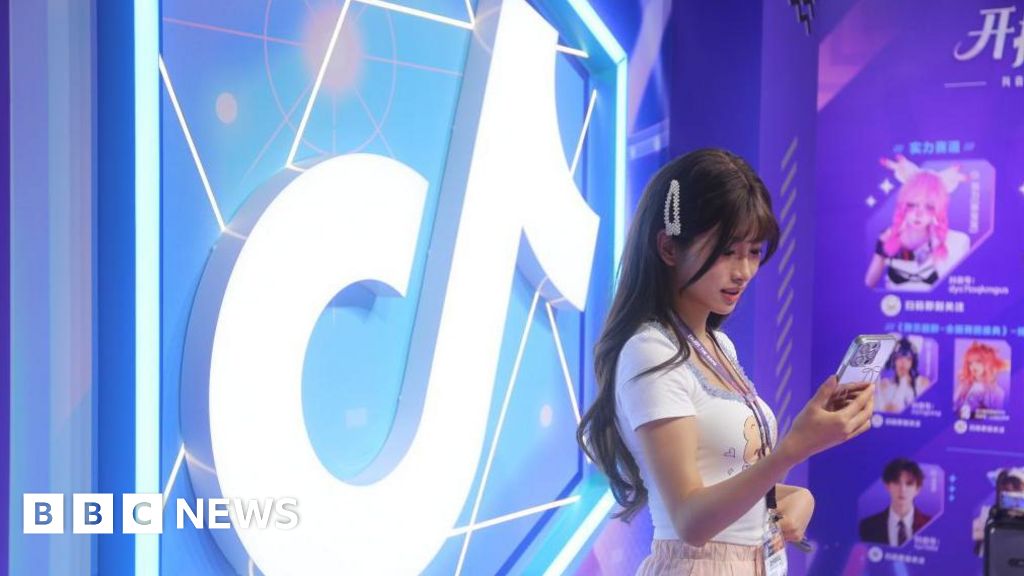
ByteDance has completed a mandated split of TikTok's U.S. operations into a consortium including Oracle, licensing the recommendation algorithm to the new U.S. entity (a deal valued by the Trump administration at $14bn) while retaining a 19.9% stake. TikTok will keep access to roughly 200 million U.S. users and 7.5 million businesses, but U.S.-only algorithm retraining, parallel governance and engineering costs are likely to reduce U.S. ad revenue contribution to ByteDance (U.S. was roughly $10bn of estimated $20–26bn global 2024 revenue) and weaken cross-border virality for creators and advertisers. The structure sets a regulatory template for Chinese tech expansion but introduces operational complexity and likely margin pressure for TikTok’s U.S. business.
Market structure: The immediate winners are Oracle (ORCL) and US cloud/security vendors that step into data custody and algorithm hosting, plus incumbents in digital ads (GOOGL, META) that will capture displaced ad demand; expect 200–400bps market‑share tailwind to Google/Meta ad revenues in 6–12 months and a 5–15% uplift in CPMs for long‑form/video inventory as supply of US‑scale short‑form content tightens. Losers: ByteDance (operationally) and creator monetization models that depend on global virality; US TikTok ad revenue could contract 10–25% over 3–6 months as algorithms re‑train and cross‑border virality collapses.
Risk assessment: Tail risks include a full US ban despite the deal (10% probability), Chinese retaliation limiting hardware/software exports (15%), or a licensing dispute that revokes algorithm access (20%); these could erase ~$10bn in US revenue or force higher buyout/litigation costs. Short‑term (days–weeks) volatility will be driven by headlines and regulatory clarifications; medium (3–12 months) by ad bookings and engagement data; long (1–3 years) by split engineering costs (estimate incremental $0.5–1.0bn/yr for duplicated stacks).
Trade implications: Direct plays — favor ORCL long (benefits from hosting/licensing fees) and selective longs in GOOGL/META to capture ad reallocation; short selective creator/short‑form ad platforms (e.g., SNAP) that rely on TikTok dynamics. Use 6–12 month directional options (LEAPS calls on ORCL, covered call overlays on ad incumbents) to express thesis while capping downside. Rebalance if Q2 ad RPMs or US DAU metrics deviate >±8% from consensus.
Contrarian angles: Consensus assumes seamless ORCL monetization and durable migration of US users; that's likely overdone — integration, compliance and trust frictions could delay revenue recognition 6–12 months. Historical parallel: platform carve‑outs (e.g., Nokia/Here, legacy divestitures) show regulatory wins often come with execution drag; a 10–20% short‑term mispricing may exist in ORCL and ad incumbents that priced in near‑term demand relief, creating tactical option opportunities.
AI-powered research, real-time alerts, and portfolio analytics for institutional investors.
Request DemoOverall Sentiment
mildly negative
Sentiment Score
-0.25
Ticker Sentiment
