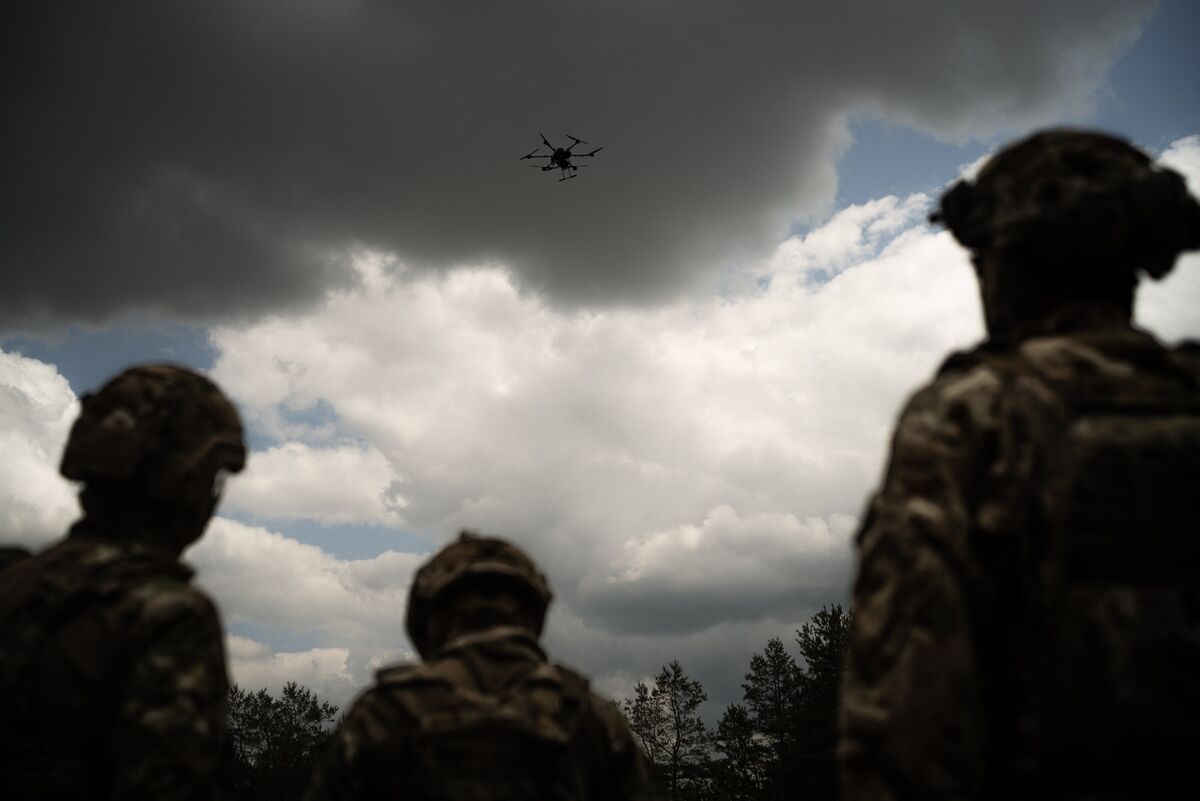
Ukraine said its Alpha special operations unit struck three Russian naval vessels in Crimea with drones, including the landing ships Yamal and Azov plus a third unidentified warship. The attack also reportedly damaged radar, communications equipment, and fuel storage facilities. The report underscores continued escalation in the Black Sea/Crimea theater and may affect regional defense and shipping risk perceptions.
This is tactically bullish for Western defense electronics, counter-drone, and naval survivability names, but the more important second-order effect is escalation insurance: every successful strike raises the perceived probability that Ukraine can keep contesting Russian rear-area logistics at modest cost. That usually benefits firms tied to air defense, EW, ISR, and loitering munitions more than pure-platform shipbuilders, because the market starts pricing higher replacement and hardening demand rather than just one-off asset damage.
The key loser is Russia’s Black Sea logistics posture, which likely forces a more defensive asset mix and higher operating friction over the next 1-3 months. Even if ship losses are limited, the signal matters: insurers, contractors, and suppliers see a regime of higher attrition, which can lengthen maintenance cycles, raise spare-part demand, and consume scarce air-defense coverage around Crimea and adjacent infrastructure. That can indirectly support European defense primes with exposed C4ISR and missile-defense backlogs, especially names with short-cycle replenishment exposure.
The contrarian risk is that one-off tactical success does not equal strategic supply disruption; markets often overreact to headline damage while underestimating Russia’s ability to disperse assets and absorb repairs. If subsequent strikes fail to persist, the premium in defense/security names can fade within days, so the trade needs either a follow-through cadence or evidence of broader logistics degradation. The real catalyst to watch is not more ship hits per se, but signs of worsening Russian throughput in the Black Sea and a shift to longer-range Ukrainian strike capacity, which would extend the repricing window from weeks to quarters.
AI-powered research, real-time alerts, and portfolio analytics for institutional investors.
Request TrialOverall Sentiment
mildly negative
Sentiment Score
-0.20
