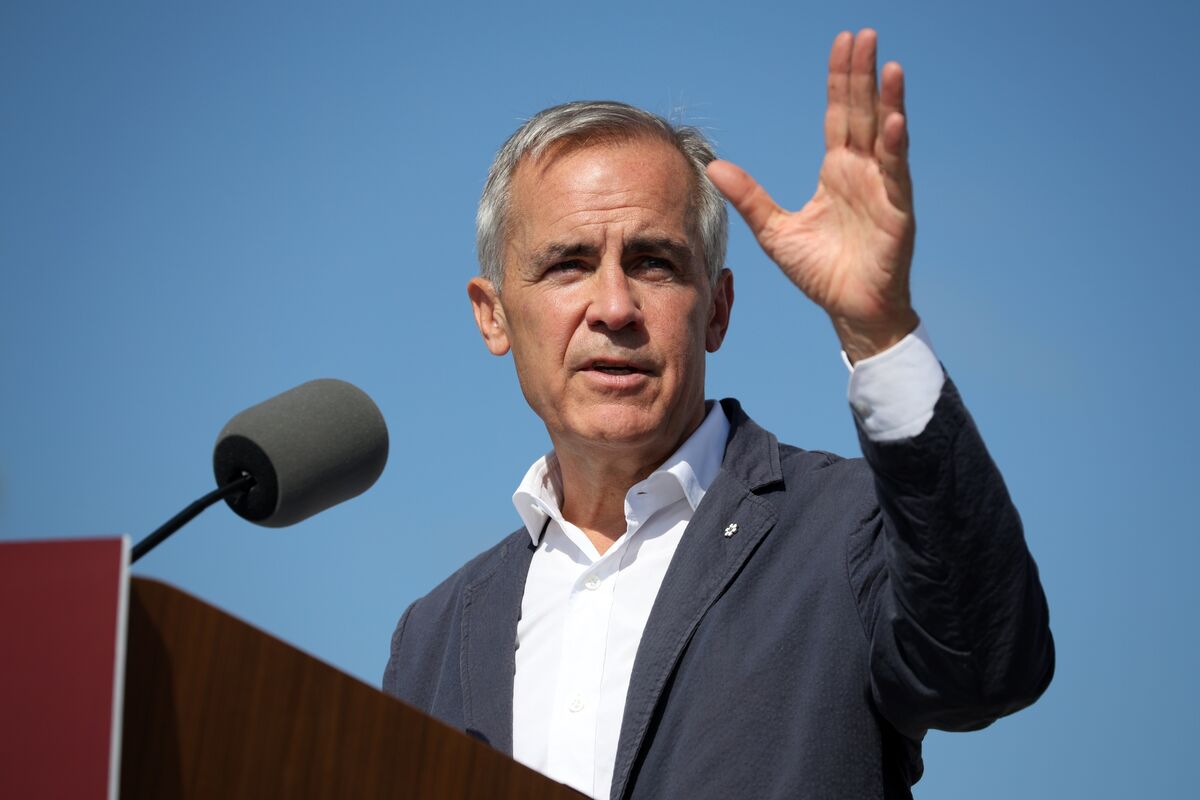
The Business Council of Canada, representing major corporations, supports Prime Minister Mark Carney's investment initiatives but has urged the government to present a credible fiscal plan in the upcoming budget. The influential business group highlighted Canada's 'investment crisis,' emphasizing the need for both public and private sector contributions while expressing concern over rising deficits.
The Business Council of Canada, representing the country's largest corporations, has issued a message of conditional support for the government's proposed investment initiatives. This stance, articulated in a letter to the Prime Minister's office, underscores a significant tension within the Canadian economy: while the business community acknowledges an 'investment crisis' requiring both public and private capital, it also expresses explicit concern over rising government deficits. The council's demand for a 'credible fiscal plan' in the upcoming budget serves as a critical prerequisite for its backing. This communication signals a cautious sentiment from a key economic bloc, highlighting that any growth-oriented spending must be paired with a sustainable fiscal framework to maintain business confidence. The situation presents a clear fiscal policy crossroads, where the government's ability to balance stimulus with discipline will be heavily scrutinized by the institutional investment community.
AI-powered research, real-time alerts, and portfolio analytics for institutional investors.
Request DemoOverall Sentiment
mixed
Sentiment Score
-0.10
